Your Cholesterol FAQ - Page 3
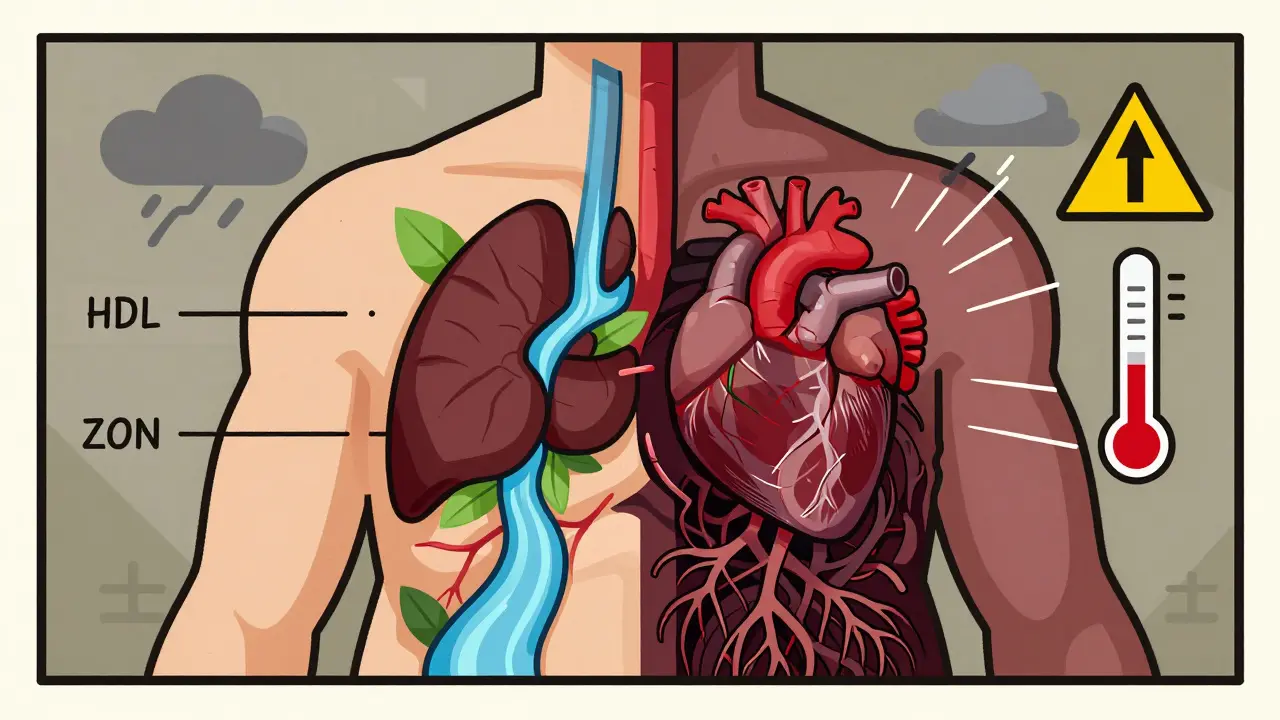
Metabolic Syndrome: The Cluster of Heart Disease Risk Factors You Can't Ignore
Metabolic syndrome is a dangerous cluster of heart disease risk factors including belly fat, high blood pressure, and abnormal cholesterol. It affects 1 in 3 U.S. adults and can be reversed with lifestyle changes.
Learn more...
SGLT2 Inhibitor Side Effects: Dehydration, Dizziness, and Blood Pressure Changes Explained
SGLT2 inhibitors like Jardiance and Farxiga lower blood sugar but also act as mild diuretics, causing dehydration, dizziness, and blood pressure drops. Learn who’s at risk and how to manage these side effects safely.
Learn more...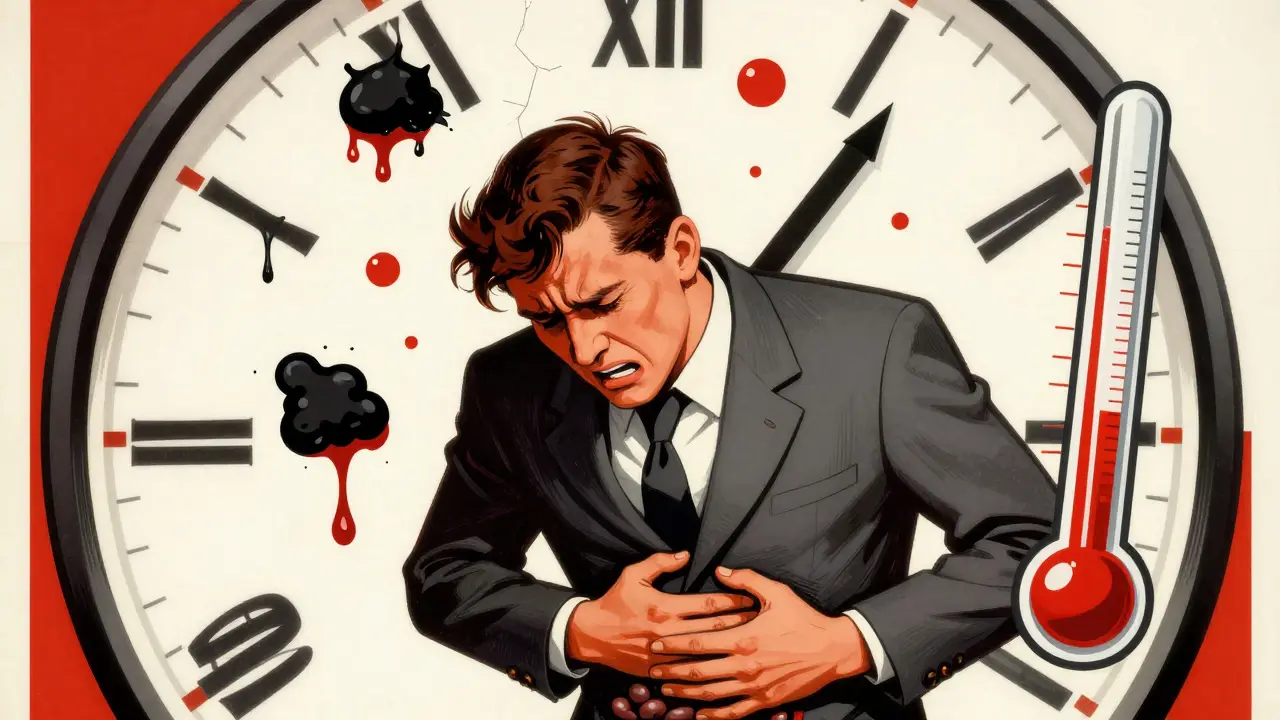
Blood Thinner Overdose and Internal Bleeding: What to Do Immediately
Blood thinner overdoses can cause life-threatening internal bleeding. Know the warning signs-like black stools, blood in urine, or unexplained bruising-and act immediately. Every minute counts.
Learn more...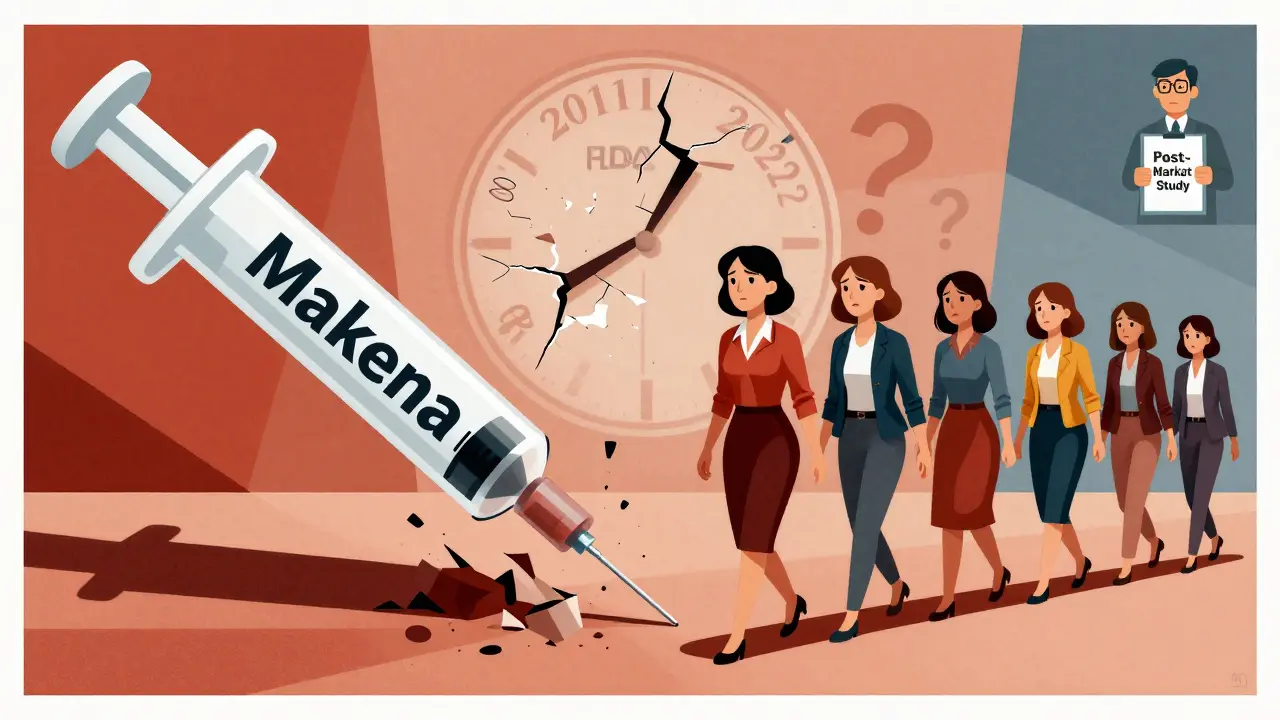
Drug Withdrawals and Recalls: Why Medications Get Removed from the Market
Drugs are pulled from the market when they’re proven unsafe or ineffective. Learn why the FDA takes years to act, how accelerated approval works, and what changed in 2023 to protect patients.
Learn more...
Institutional Formularies: How Hospitals and Clinics Control Drug Substitutions
Institutional formularies let hospitals and clinics substitute prescribed drugs with safer, cheaper alternatives. Learn how these policies work, their benefits, risks, and what patients need to know under current state and federal rules.
Learn more...
Personnel Training: Qualifications for Manufacturing Staff in 2026
Discover the essential qualifications for manufacturing staff in 2026, including key certifications like CPT and Six Sigma, safety training requirements, digital skills needed, and how to build effective training programs on any budget.
Learn more...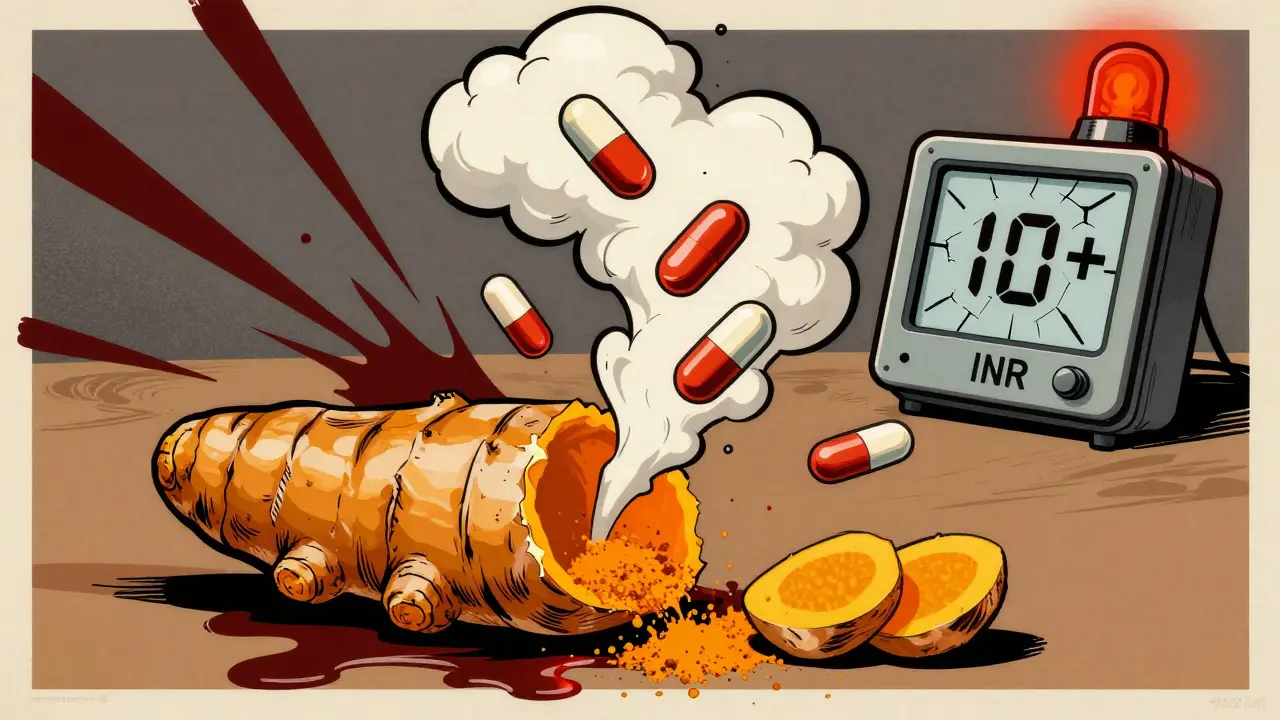
Turmeric and Blood Thinners: What the Evidence Shows About Dangerous Interactions
Turmeric and curcumin supplements can dangerously interact with blood thinners like warfarin, raising bleeding risk. Evidence shows even small doses can spike INR levels. Avoid supplements if you're on anticoagulants.
Learn more...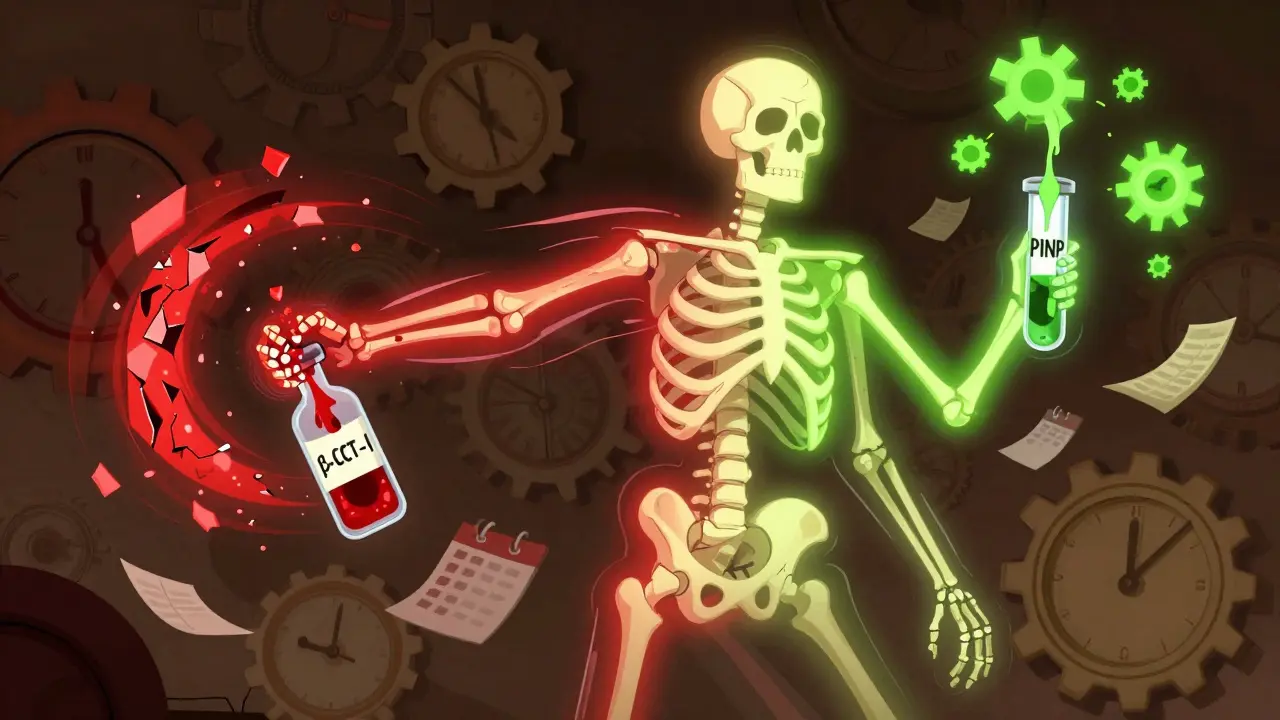
Bone Turnover Markers: How They Help Track Osteoporosis Treatment Success
Bone turnover markers like PINP and β-CTX-I provide early, measurable feedback on osteoporosis treatment effectiveness-often within 3 months-helping doctors adjust therapy before fractures occur.
Learn more...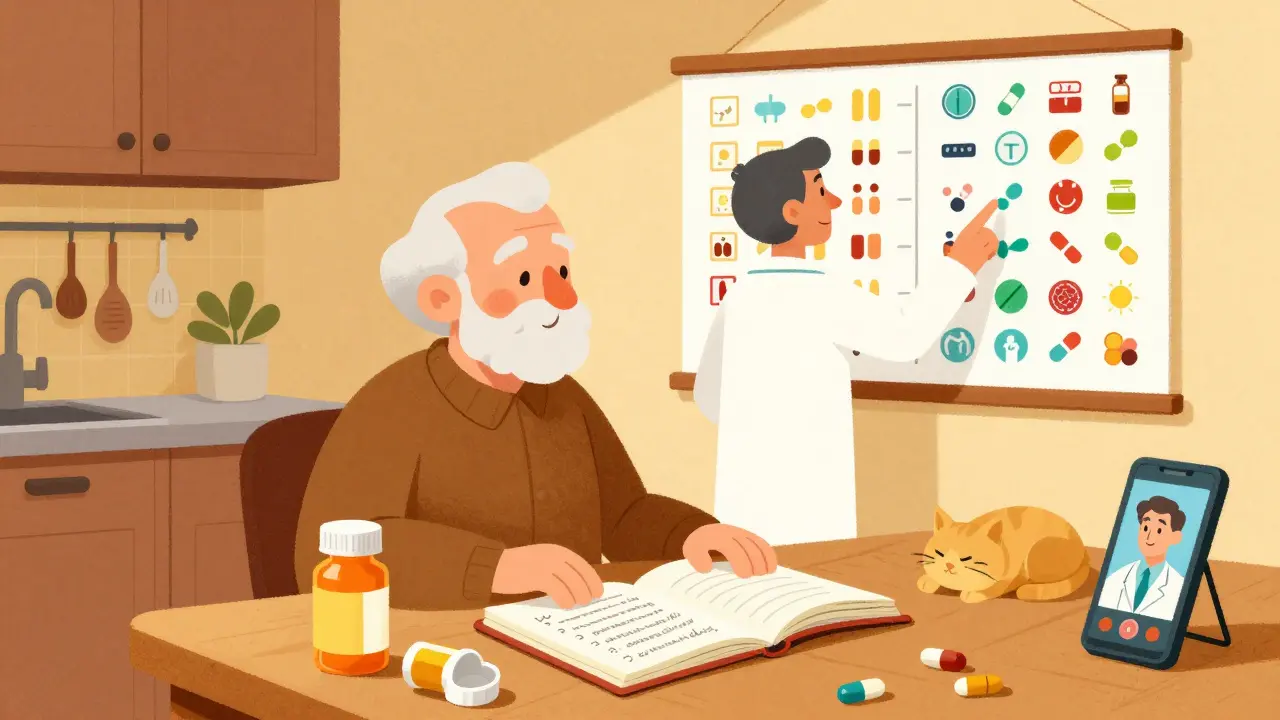
How to Prepare for a Medicare Annual Medication Review: Step-by-Step Guide for Seniors
Learn how to prepare for your Medicare Annual Medication Review to catch dangerous drug interactions, save money, and improve your health. Step-by-step guide for seniors on what to bring, what to ask, and what happens next.
Learn more...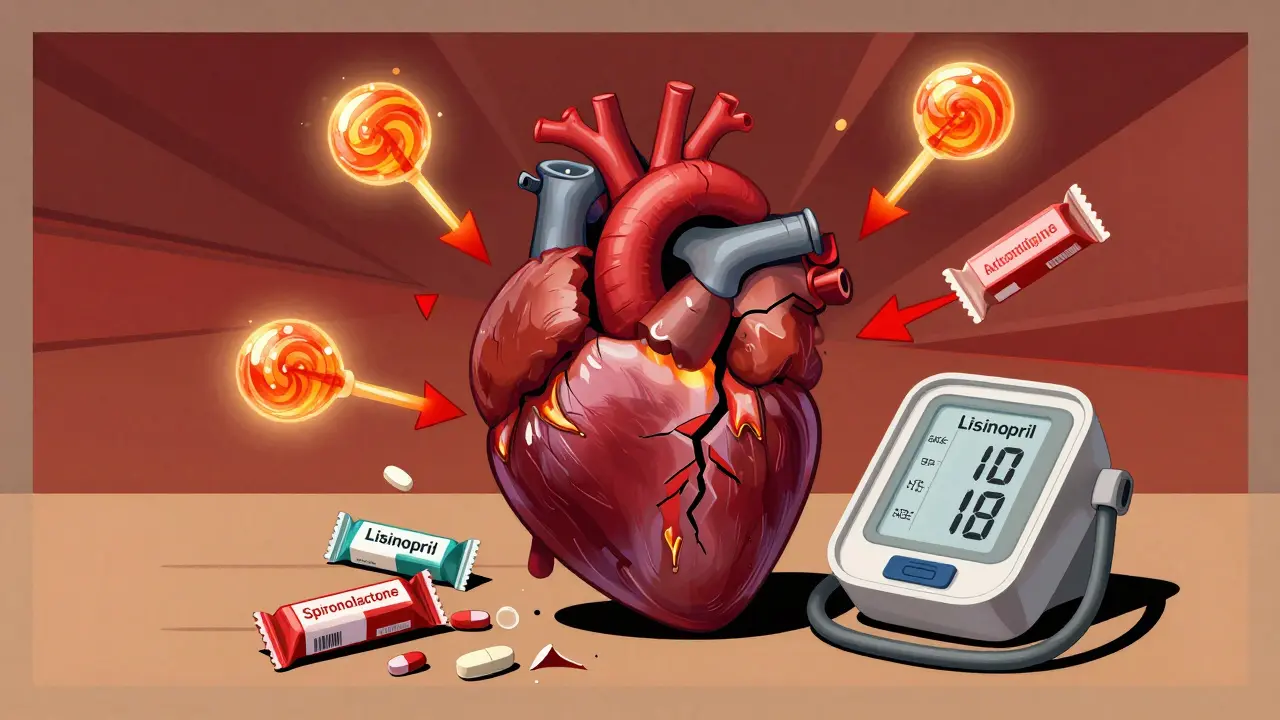
Licorice Root Can Make Your Blood Pressure Medications Fail - Here’s Why
Licorice root can reduce the effectiveness of blood pressure medications by raising sodium levels and lowering potassium. Even small amounts can cause dangerous spikes in blood pressure. Avoid real licorice if you're on hypertension meds.
Learn more...
Antihistamines in Pregnancy: What’s Safe and What to Avoid
Learn which antihistamines are safe during pregnancy and which to avoid. Get clear guidance on loratadine, cetirizine, chlorpheniramine, and what to skip-backed by current medical guidelines.
Learn more...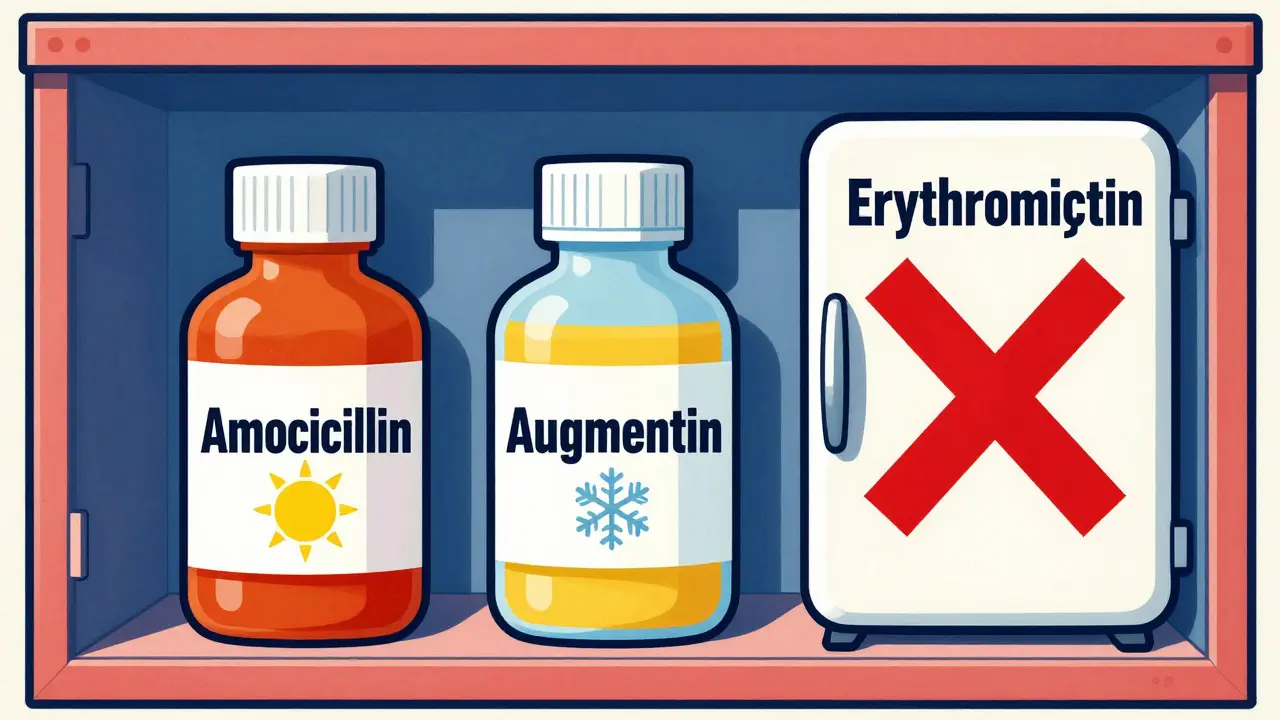
How to Store Liquid Antibiotics and Reconstituted Suspensions Properly
Learn how to properly store liquid antibiotics and reconstituted suspensions to ensure they remain effective. Get clear guidelines on refrigeration, shelf life, and safe disposal.
Learn more...