Your Cholesterol FAQ - Page 2
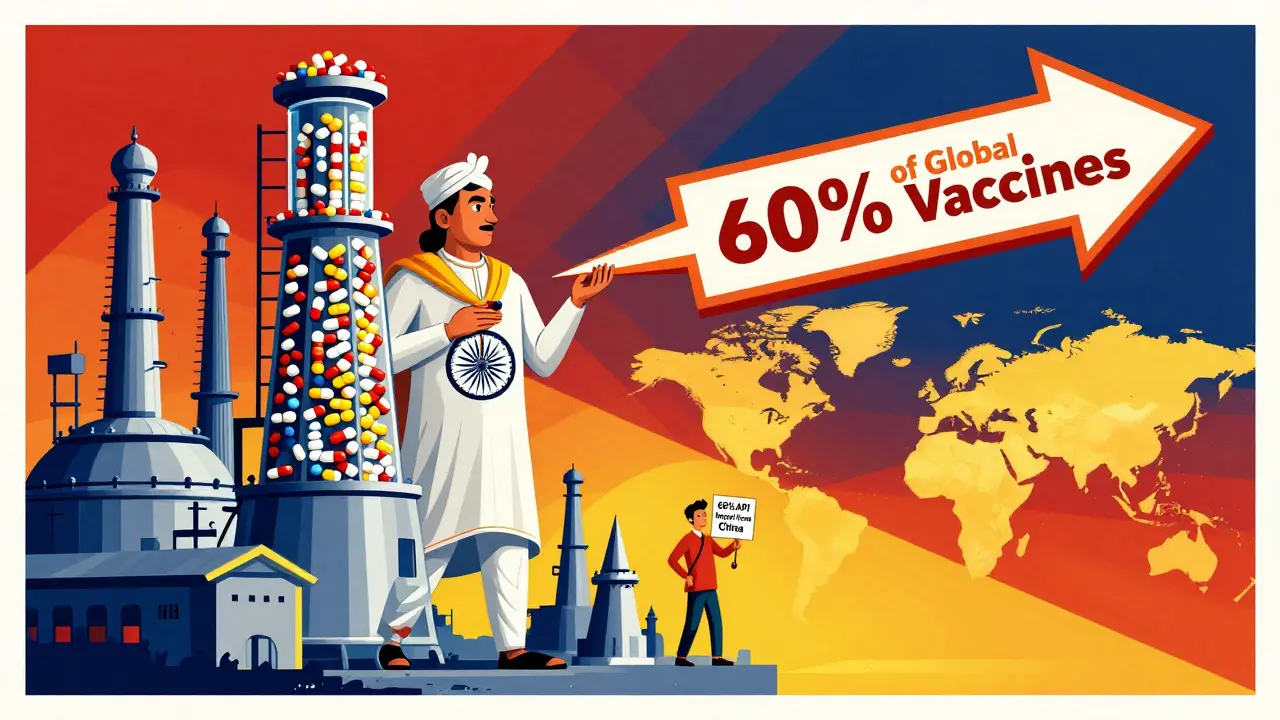
Asian Generic Markets: India, China, and Emerging Economies in Global Pharma
India and China dominate the global generic drug market, supplying over 80% of the world's affordable medicines. While India leads in volume, China controls the raw ingredients. Emerging economies like Vietnam and Cambodia are carving out niche roles. Here’s how the race for affordable drugs is reshaping global health.
Learn more...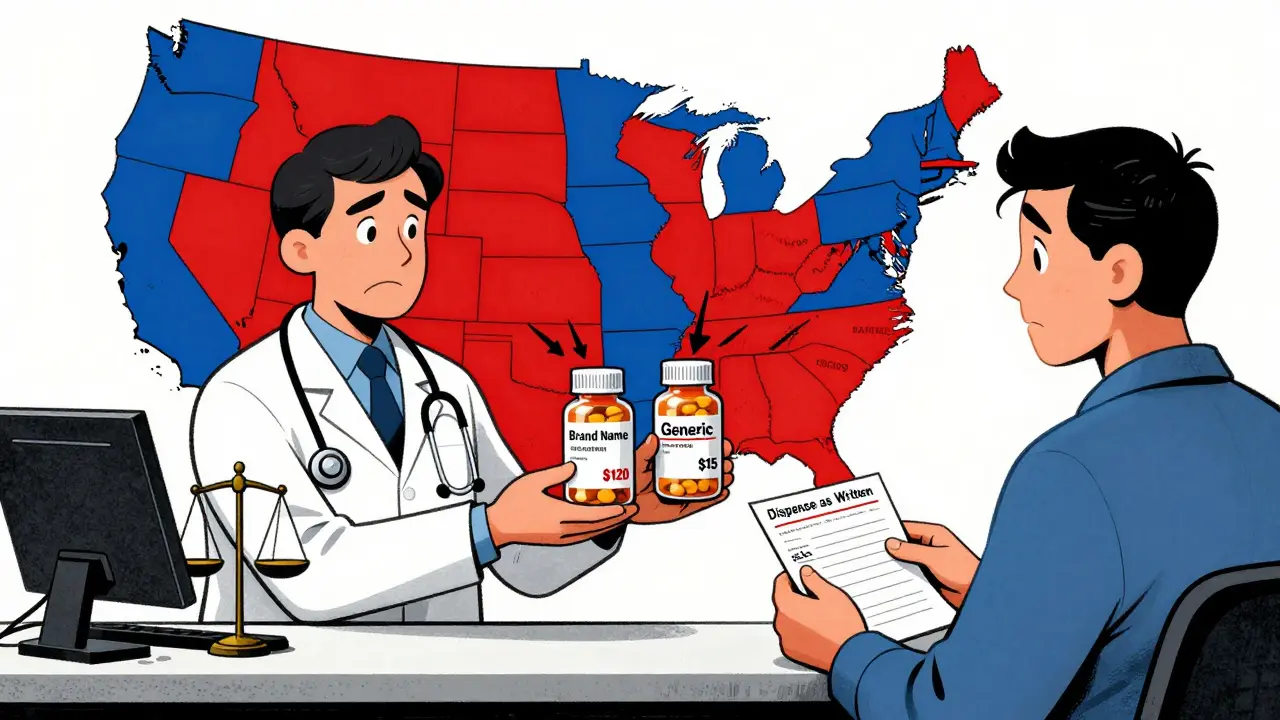
Mandatory vs Permissive Substitution: What State Laws Really Mean for Your Medications
Mandatory and permissive substitution laws determine whether pharmacists must or can switch your brand-name drugs to cheaper generics. These state-level rules vary widely, directly affecting how often generics are used - and how much you pay. Learn how your state's laws impact your prescriptions.
Learn more...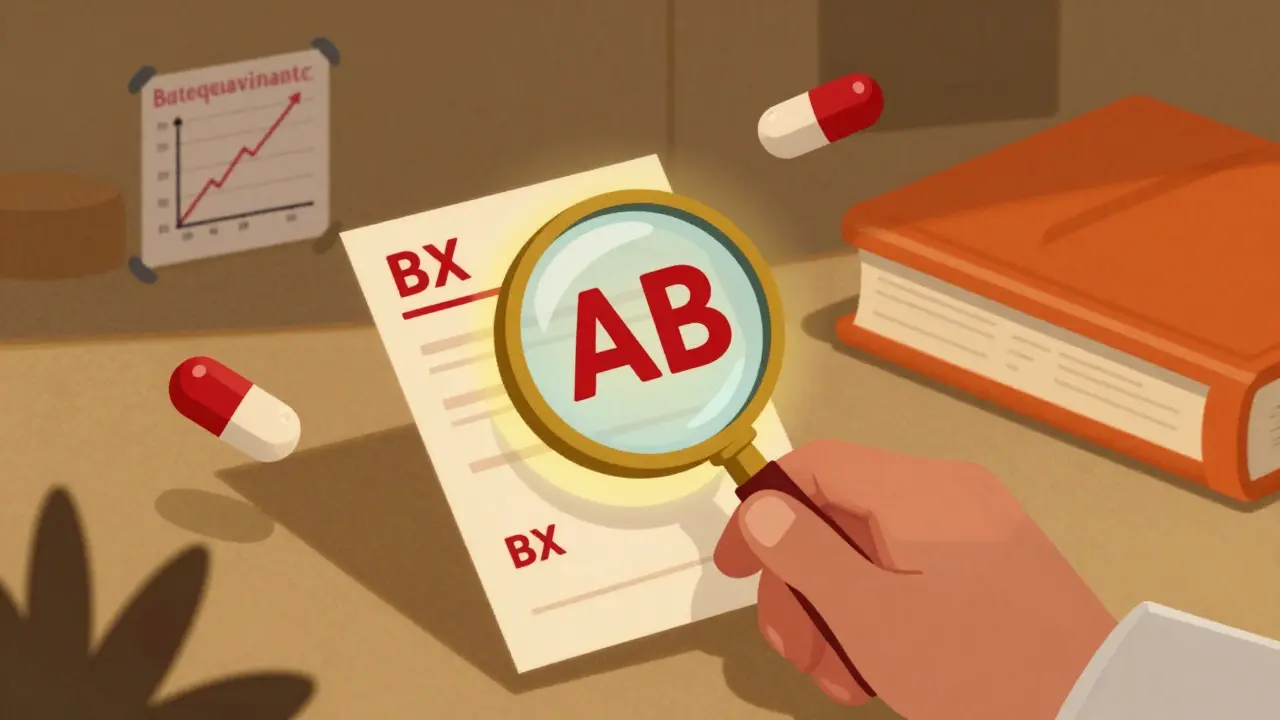
Therapeutic Equivalence Codes: How the FDA Determines Which Generics Can Be Substituted
The FDA's Therapeutic Equivalence (TE) codes determine which generic drugs can be safely substituted for brand-name medications. Learn how the A and B ratings work, why some generics are flagged, and how this system saves billions in healthcare costs.
Learn more...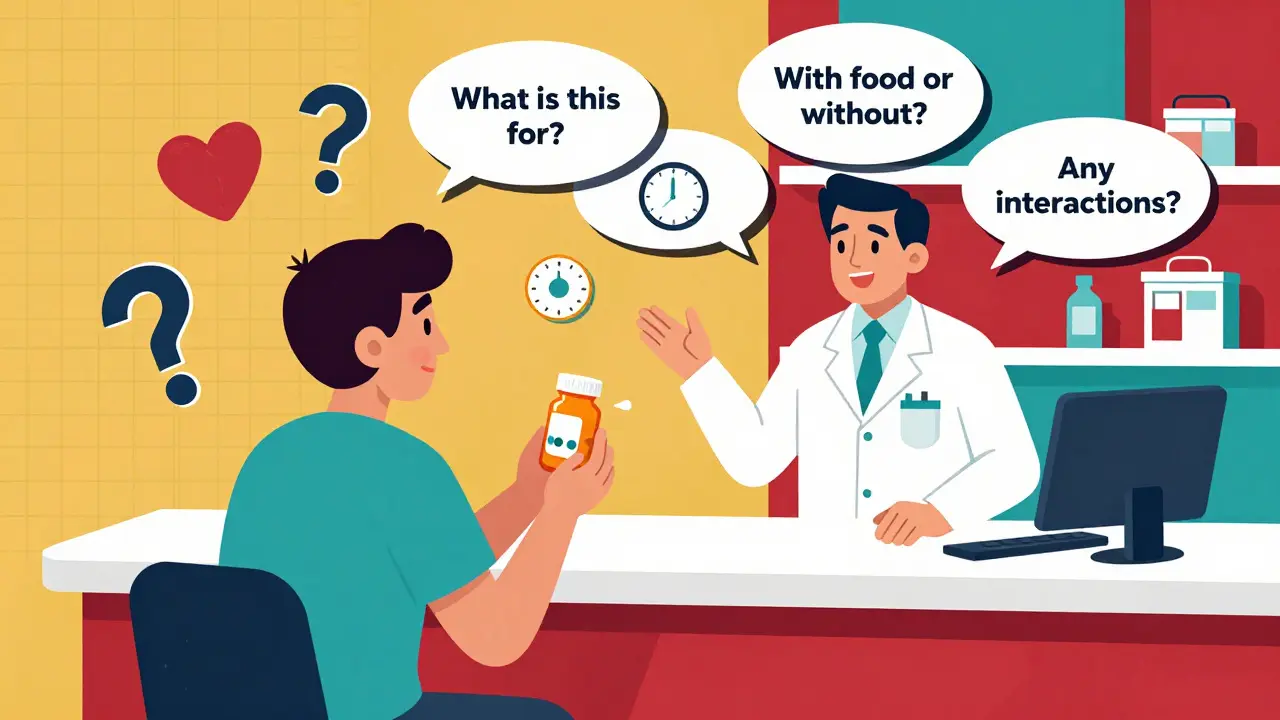
Top Medication Safety Questions to Ask at the Pharmacy Counter
Learn the top 10 essential questions to ask at the pharmacy counter to prevent dangerous drug interactions, side effects, and medication errors. These simple conversations can save lives.
Learn more...
Long-Acting Injectables: Why Extended Side Effect Monitoring Is Non-Negotiable
Long-acting injectables improve medication adherence in psychiatric treatment, but without rigorous side effect monitoring, they risk causing serious physical harm. Only 45% of patients have their side effects tracked annually - a dangerous gap that must be fixed.
Learn more...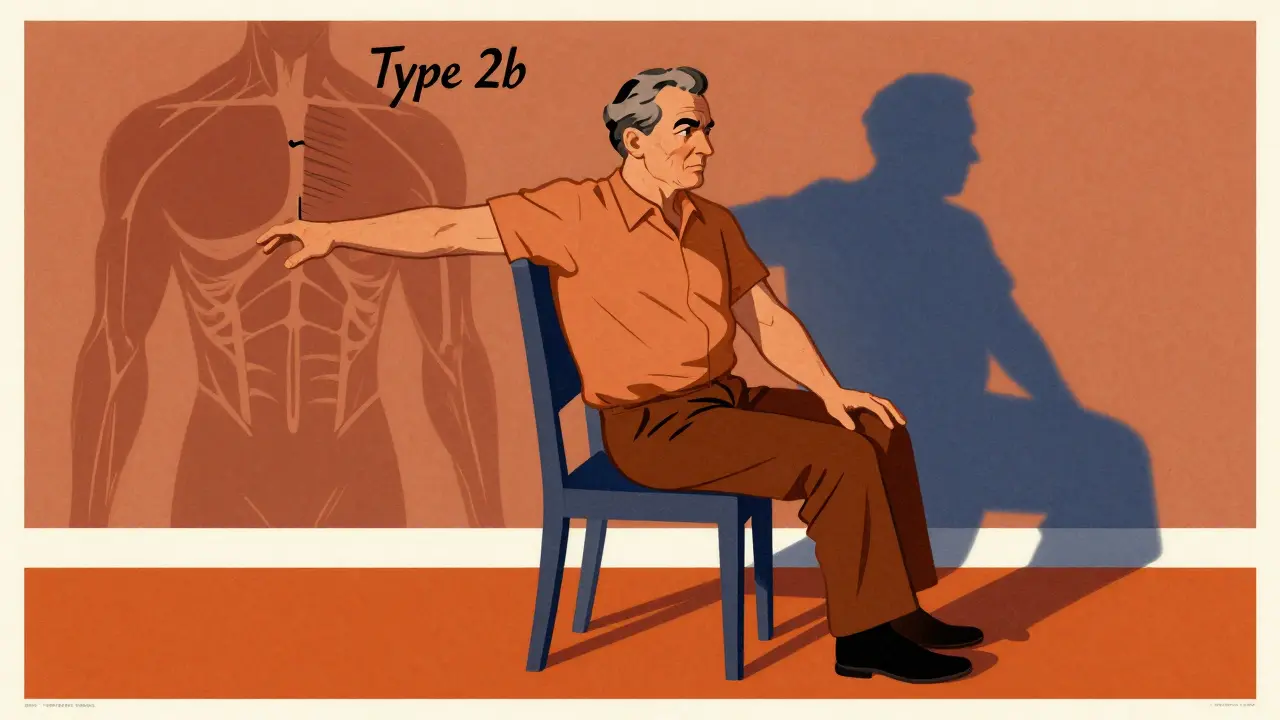
Steroid Myopathy: How to Recognize Weakness and What Physical Therapy Can Do
Steroid myopathy causes painless, progressive weakness in hip and shoulder muscles in people on long-term corticosteroids. Learn how to recognize it, why it's often missed, and how targeted physical therapy can restore strength without stopping medication.
Learn more...
Cognitive Biases: How Beliefs Distort Your Everyday Responses
Cognitive biases distort how we respond to information, often without us realizing it. From medical errors to financial losses, these mental shortcuts rooted in belief can have real-world consequences. Learn how they work-and how to stop letting them control your decisions.
Learn more...
Prescriber Override: When Doctors Can Force Brand-Name Dispensing
Prescriber override lets doctors require brand-name drugs over generics. Learn state-specific rules, documentation requirements, and how to avoid costly mistakes that affect patient care and healthcare costs.
Learn more...
How to Talk About Stopping or Tapering a Medication Safely
Learn how to have honest, effective conversations with your provider about safely stopping or tapering medication. Understand withdrawal risks, tapering timelines, and what questions to ask to protect your health.
Learn more...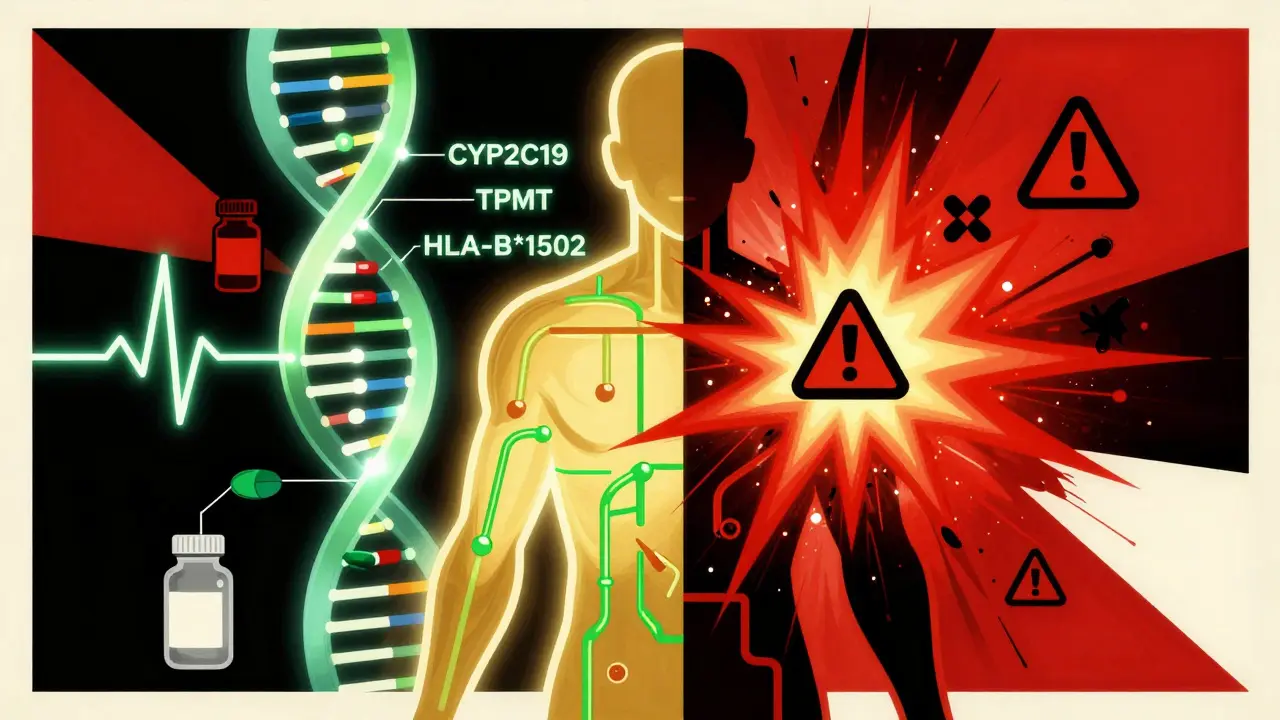
Preventing Adverse Drug Reactions with Pharmacogenetic Testing
Pharmacogenetic testing uses your genes to predict how you'll respond to medications, preventing dangerous side effects. Studies show it cuts adverse drug reactions by 30%-and it's already saving lives in hospitals.
Learn more...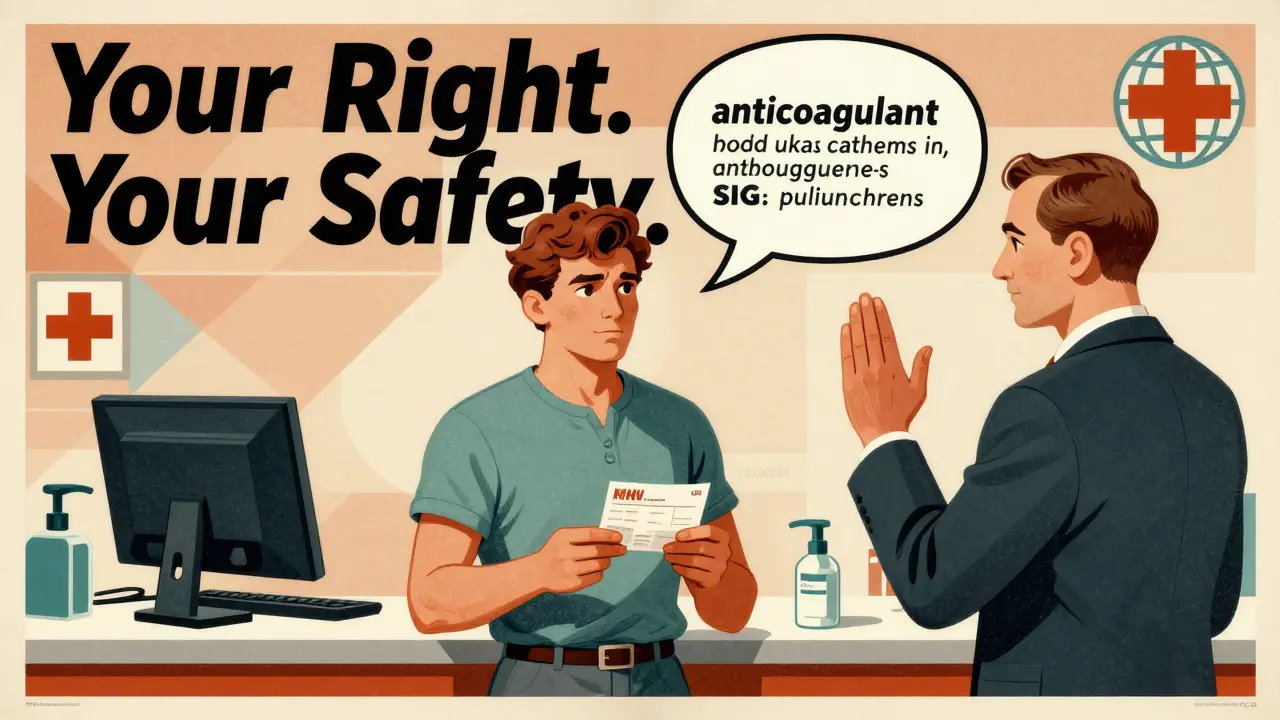
How to Request Translator Services for Medication Counseling
Learn how to legally request free professional interpreter services during medication counseling at pharmacies. Understand your rights, the types of services available, and why using untrained interpreters can be dangerous.
Learn more...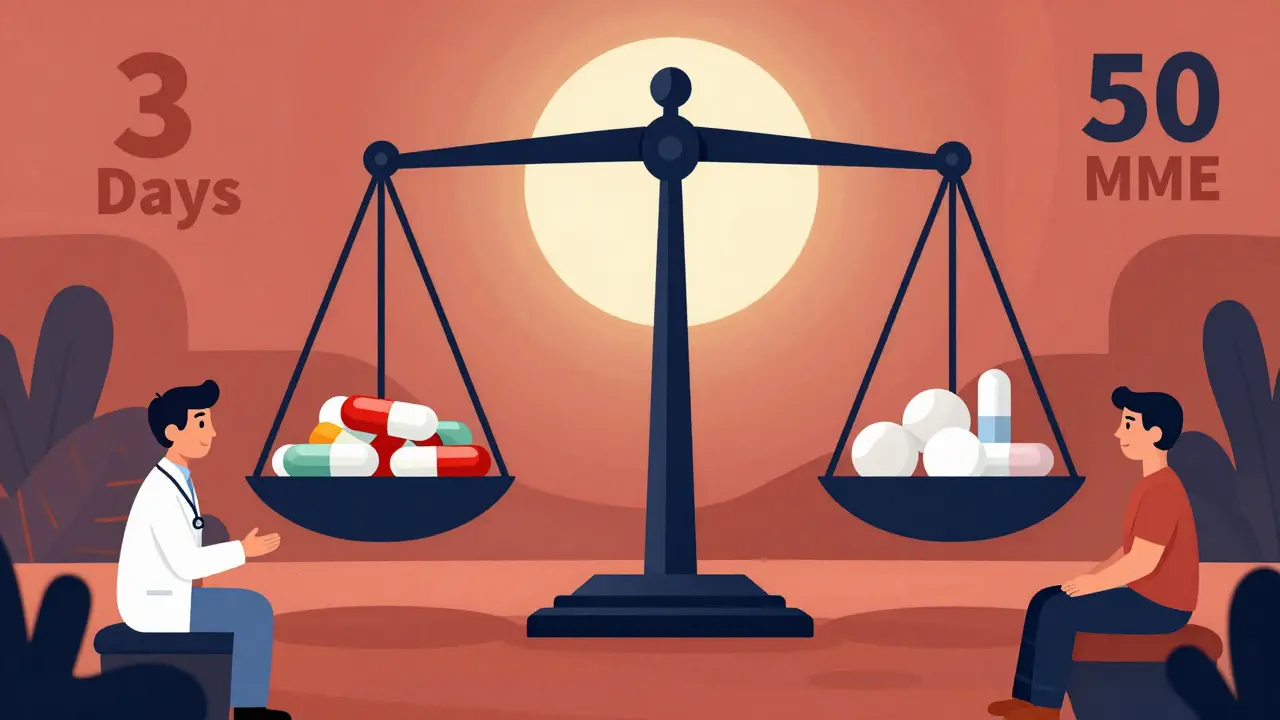
Medication Safety for Pain Management: How to Minimize Opioid Risks in 2026
Learn how to safely manage pain in 2026 using CDC and FDA guidelines. Discover the 50 MME threshold, why three-day opioid prescriptions are now standard, and what alternatives actually work-without risking addiction or overdose.
Learn more...