Tag: generic drugs
Generic Drug Concerns: Myths vs. Reality for Safety and Efficacy
Explore the facts behind generic drug safety, efficacy comparisons, and FDA standards to understand if switching from brand-name is right for you.
Learn more...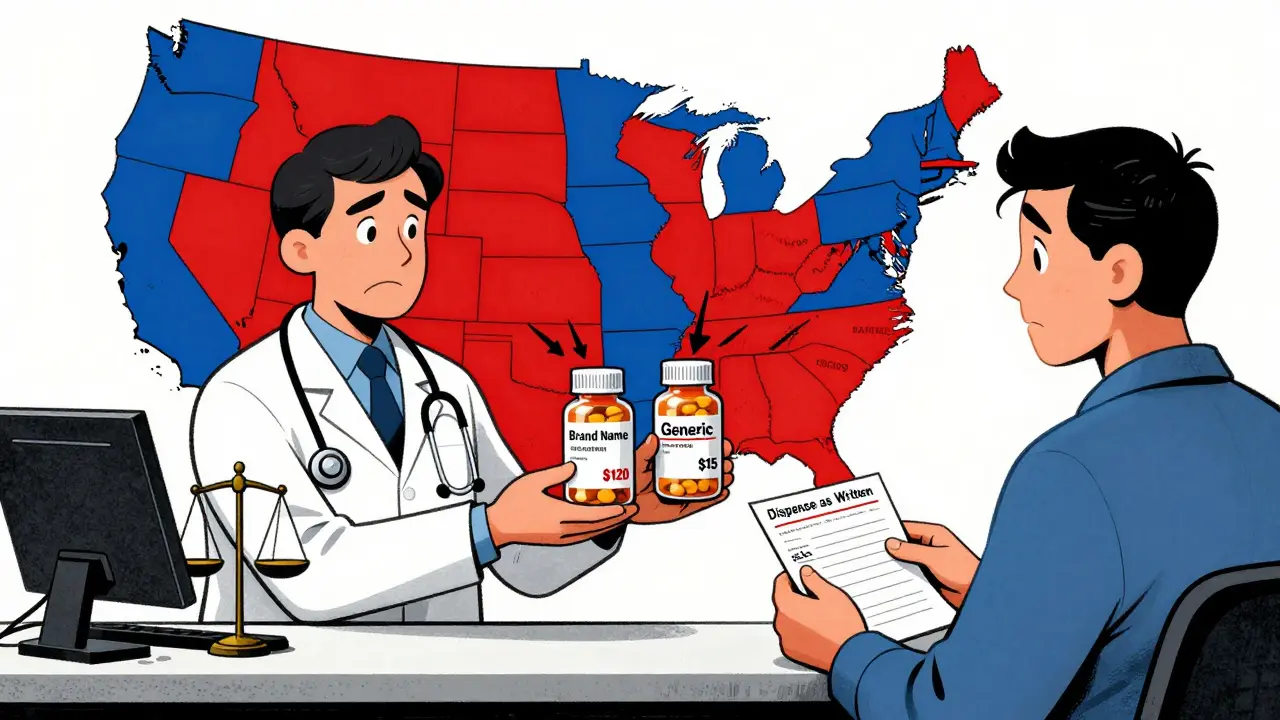
Mandatory vs Permissive Substitution: What State Laws Really Mean for Your Medications
Mandatory and permissive substitution laws determine whether pharmacists must or can switch your brand-name drugs to cheaper generics. These state-level rules vary widely, directly affecting how often generics are used - and how much you pay. Learn how your state's laws impact your prescriptions.
Learn more...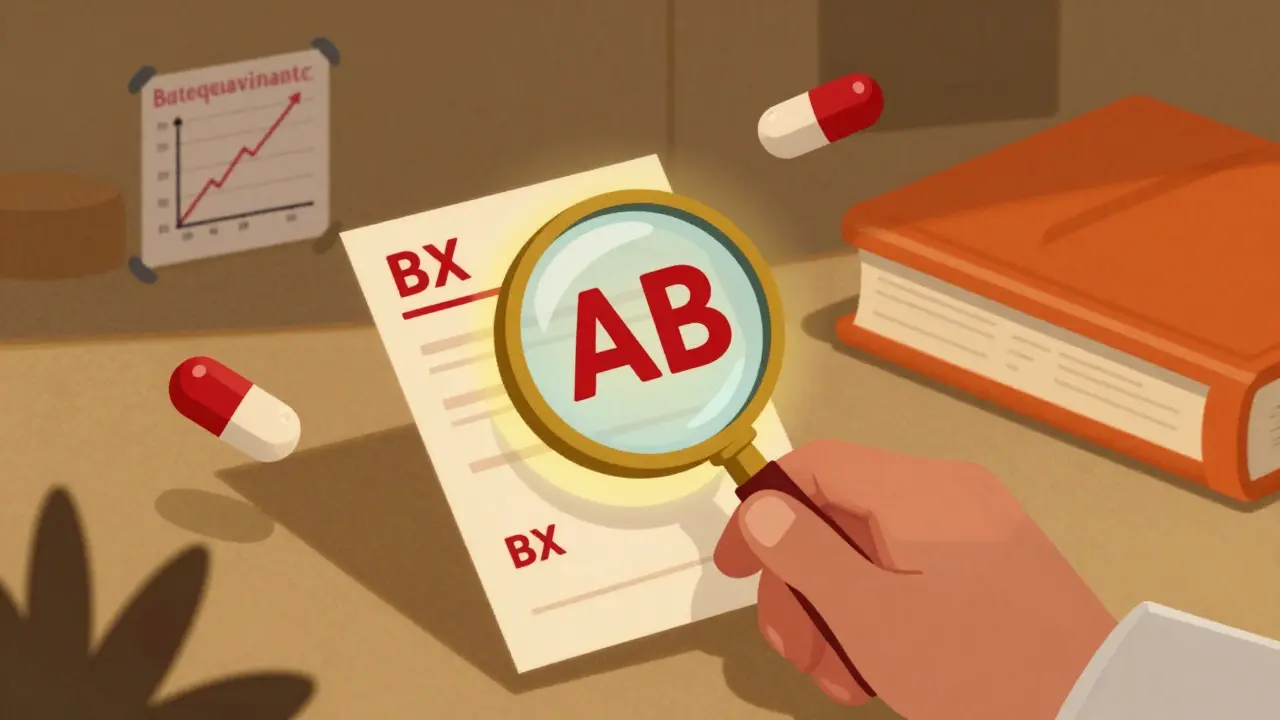
Therapeutic Equivalence Codes: How the FDA Determines Which Generics Can Be Substituted
The FDA's Therapeutic Equivalence (TE) codes determine which generic drugs can be safely substituted for brand-name medications. Learn how the A and B ratings work, why some generics are flagged, and how this system saves billions in healthcare costs.
Learn more...
What Is an ANDA? The Complete Guide to Abbreviated New Drug Applications
An ANDA, or Abbreviated New Drug Application, is the FDA's pathway for approving generic drugs. It allows manufacturers to prove their product is equivalent to a brand-name drug without repeating costly clinical trials, saving billions annually and making medications affordable for millions.
Learn more...
Generic Prescribing Incentives: How Rewards Shape Provider Decisions
Generic prescribing incentives reward doctors for choosing lower-cost generic drugs, saving billions in healthcare costs. Learn how these programs work, their real-world impact, and the ethical concerns behind them.
Learn more...
How Generic Medications Save the U.S. Healthcare System Trillions of Dollars
Generic medications saved the U.S. healthcare system $467 billion in 2024 alone, with $3.4 trillion saved over the past decade. These drugs make up 90% of prescriptions but just 12% of spending, proving they’re the most powerful tool for cutting drug costs.
Learn more...
Generic vs Brand Name Drugs: What the Label Really Tells You and Why They Work the Same
Generic drugs contain the same active ingredients as brand-name drugs and are proven to work just as well. Learn how the FDA ensures therapeutic equivalence, why labels look different, and how much you can save.
Learn more...
Combo Generics vs Individual Components: Cost Comparison
Combo pills often cost 10x more than buying the same drugs separately. Learn why branded fixed-dose combinations are overpriced, how to save hundreds monthly, and when it actually makes sense to stick with them.
Learn more...