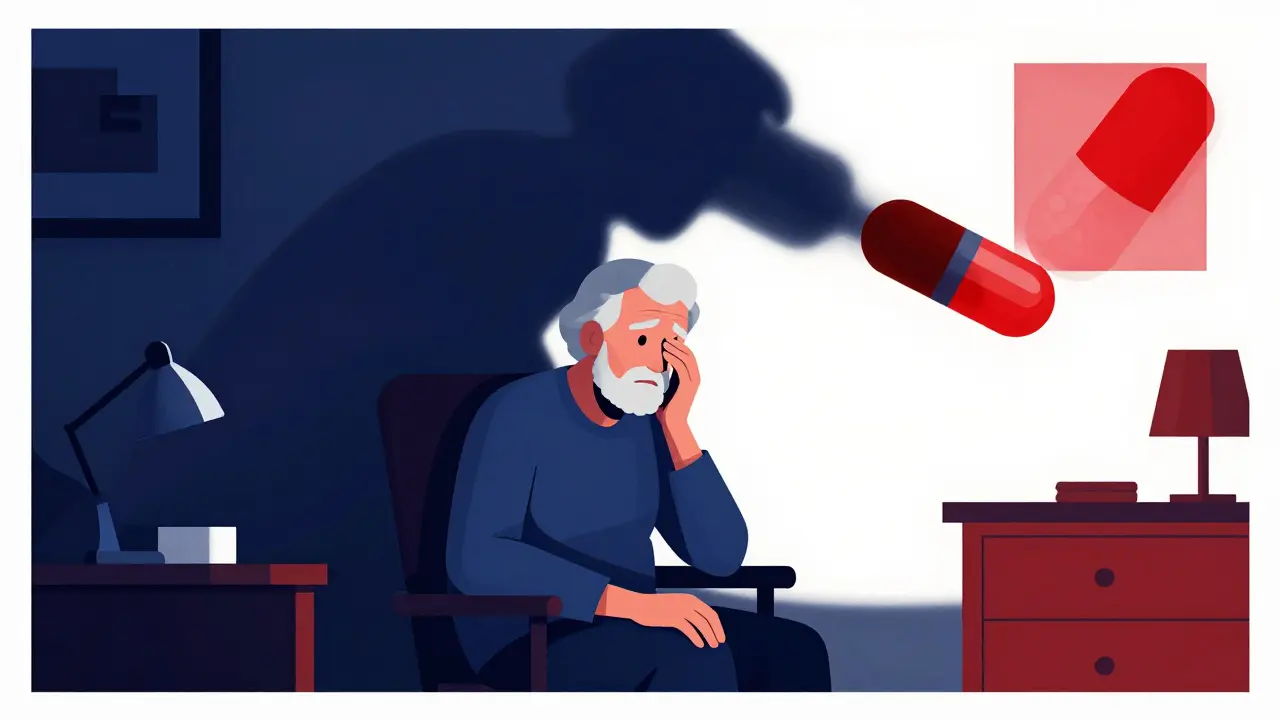
It’s a scenario that keeps many caregivers up at night. Your loved one with dementia is experiencing severe agitation or hallucinations. The care team suggests prescribing an antipsychotic medication to calm them down. It sounds like a reasonable solution to restore peace, but there is a hidden danger lurking behind this common prescription.
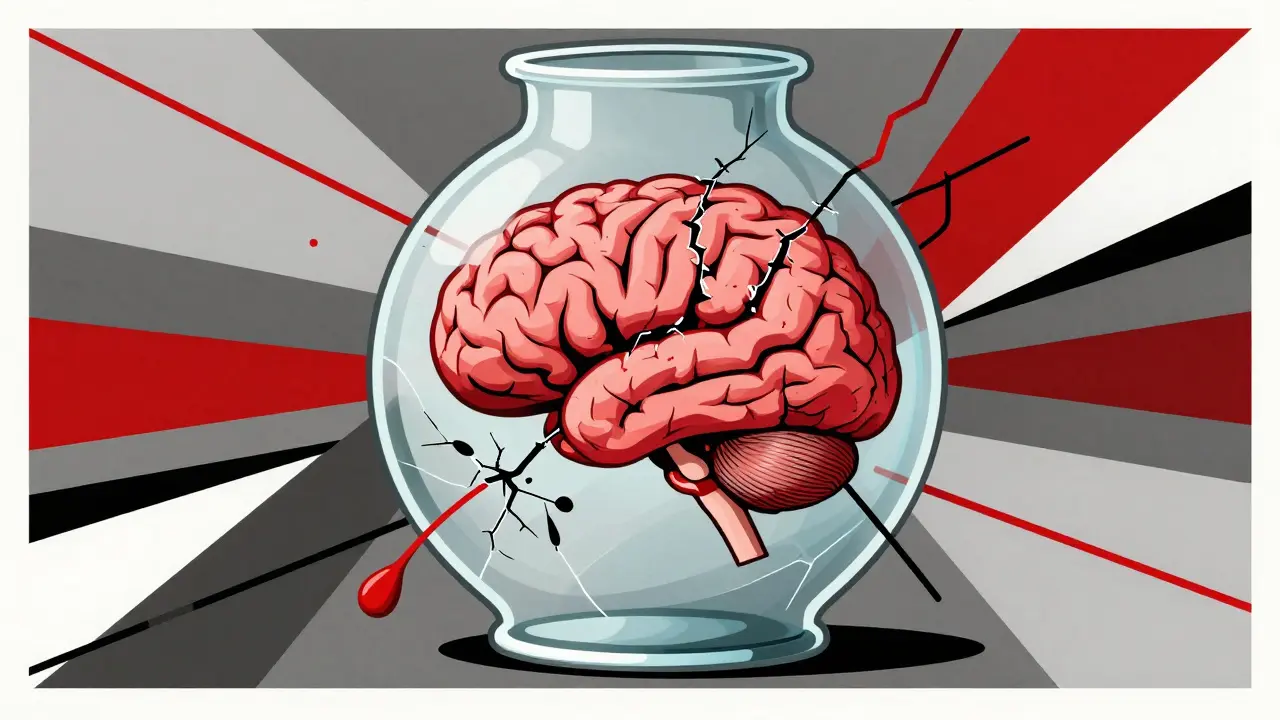
You need to know that these drugs carry a serious warning label for seniors. Since 2005, the U.S. Food and Drug Administration (FDA) has mandated a "black box" warning-the most severe type available-on all antipsychotic medications when used in elderly patients with dementia-related psychosis. This isn’t just a minor side effect note; it signals a significantly increased risk of stroke and death. In fact, studies show that seniors treated with these drugs face a mortality rate 1.6 to 1.7 times higher than those given a placebo.
The Hidden Danger: Why Antipsychotics Raise Stroke Risk
To understand why this happens, we have to look at how these drugs affect the body. Antipsychotics, whether they are older first-generation types or newer second-generation ones, work by blocking certain neurotransmitters in the brain. While this helps manage behavior, it also disrupts the systems that regulate blood pressure and cerebral blood flow.
This disruption can lead to several dangerous physiological changes:
- Orthostatic hypotension: A sudden drop in blood pressure when standing up, which reduces blood flow to the brain.
- Metabolic syndrome: Changes in metabolism that increase the risk of cardiovascular issues.
- Cerebral blood flow disruption: Direct interference with the mechanisms that keep blood moving smoothly through the brain’s vessels.
Research from the American Heart Association (AHA) in 2012 highlighted a startling finding: the risk isn’t limited to long-term users. Even brief exposure to antipsychotics can trigger adverse health outcomes. Their analysis of Veterans Affairs data showed that the odds of having a stroke were 1.8 times higher in patients exposed to these drugs compared to those who weren’t. This contradicts earlier beliefs that only prolonged use was dangerous. For a senior with existing vascular fragility, even a short course of treatment can be a tipping point.
First-Generation vs. Second-Generation Antipsychotics
Families often hear that newer drugs are safer. Is that true? The answer is nuanced. We categorize these medications into two groups: First-Generation Antipsychotics (FGAs), often called typical antipsychotics, and Second-Generation Antipsychotics (SGAs), known as atypical antipsychotics.
| Feature | First-Generation (Typical) | Second-Generation (Atypical) |
|---|---|---|
| Common Examples | Haloperidol, Chlorpromazine | Olanzapine, Risperidone, Quetiapine |
| Stroke Risk Profile | Higher risk with long-term use (>90 days) | Lower relative risk for long-term use, but still significant |
| Mortality Risk | Significantly elevated | Elevated (1.6-1.7x higher than placebo) |
| Side Effects | Stiffness, tremors, sedation | Weight gain, metabolic issues, sedation |
| Short-Term Use Risk | High cerebrovascular event risk | High cerebrovascular event risk |
A systematic review published in Neurology (2023) analyzed observational studies and found that while SGAs might pose a slightly lower risk for cerebrovascular events during long-term use (over 90 days), both classes carry substantial dangers. Short-term use of either type presents equivalent risks. Furthermore, research from Johns Hopkins Bloomberg School of Public Health noted that stroke partially mediates the difference in mortality between the two drug classes. In simple terms, the strokes caused by these drugs contribute directly to the higher death rates seen in clinical trials.
What Do Clinical Guidelines Say?
If you ask the leading medical authorities, their stance is clear. The American Geriatrics Society includes antipsychotics in its Beers Criteria, a list of potentially inappropriate medications for older adults. The 2015 update explicitly recommends avoiding antipsychotics for treating neuropsychiatric symptoms of dementia due to the well-documented increased mortality and stroke risks.
Despite these warnings, prescriptions continue. Why? Because managing Behavioral and Psychological Symptoms of Dementia (BPSD)-such as aggression, wandering, or severe anxiety-is incredibly difficult. When non-drug methods fail, families and clinicians sometimes feel they have no choice. However, experts like Dr. Devine and Dr. Memon emphasize that the duration of therapy matters. They conclude that while short-term differences in risk are less distinct between drug types, the overall harm remains high enough to warrant extreme caution.
Better Alternatives: Non-Pharmacological Approaches
Before reaching for a pill, consider what else can be done. The FDA and the American Heart Association agree: alternative strategies must be fully investigated before starting antipsychotic therapy. Here are proven, safer approaches:
- Environmental Modifications: Reduce noise, clutter, and overstimulation. Create a calm, predictable routine. Many agitated behaviors stem from confusion or fear triggered by the environment.
- Pain Assessment: Seniors with dementia often cannot articulate pain. Agitation may be a response to untreated arthritis, urinary tract infections, or constipation. Treating the underlying physical cause can resolve behavioral symptoms.
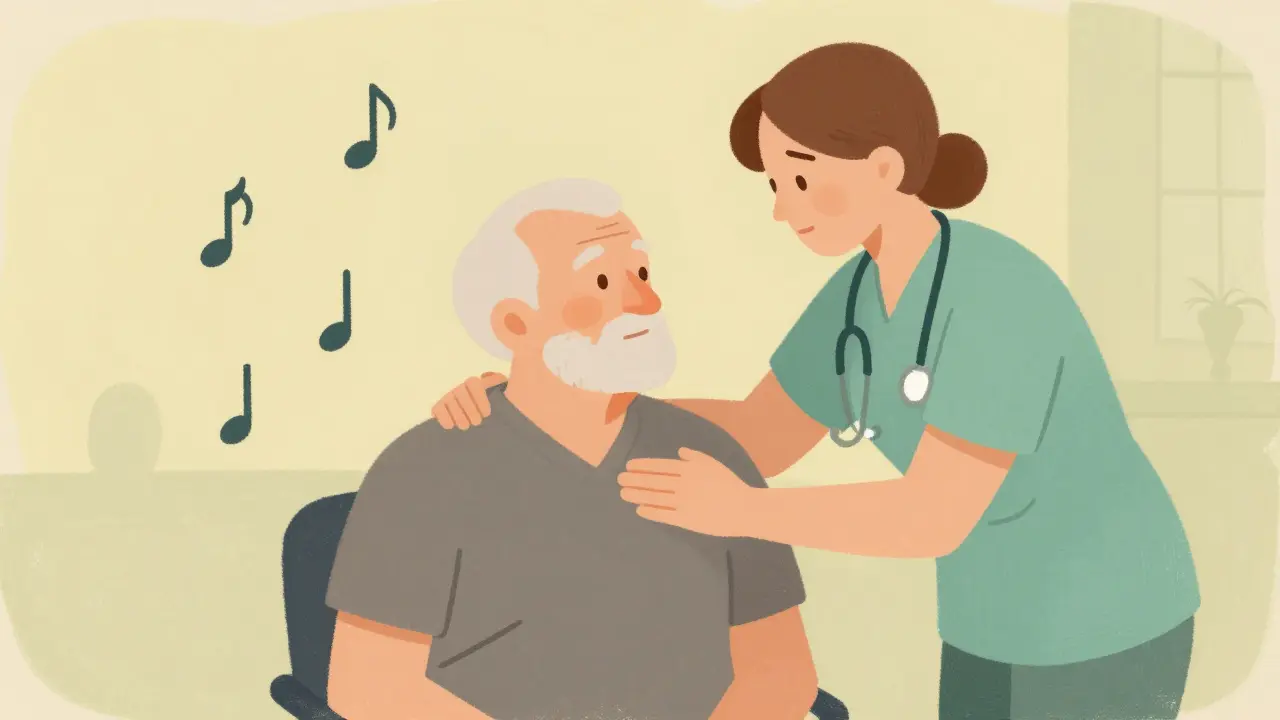
- Social Engagement: Music therapy, gentle exercise, and familiar faces can reduce anxiety. Isolation often worsens psychological symptoms.
- Caregiver Training: Learning de-escalation techniques can help caregivers respond to outbursts without escalating the situation. Validation therapy, for instance, involves acknowledging the patient’s feelings rather than correcting their reality.
These methods don’t carry the risk of stroke or death. They require time and patience, but they address the root causes of distress rather than masking them with heavy medication.
When Are Antipsychotics Ever Justified?
There are rare instances where the benefits might outweigh the risks. If a patient poses an immediate danger to themselves or others, and all non-pharmacological interventions have failed, a doctor might prescribe an antipsychotic for the shortest possible time. In such cases:
- Use the lowest effective dose.
- Monitor closely for side effects, especially signs of dizziness, falls, or changes in alertness.
- Plan for discontinuation. The goal should always be to taper off the medication as soon as the crisis passes.
- Document the decision. Ensure the family understands the specific risks involved.
Remember, even brief exposure increases stroke risk by 80% according to AHA data. This is not a medication to use casually or for convenience.
Questions to Ask the Doctor
If a prescriber suggests an antipsychotic for your loved one, you have the right to ask detailed questions. Here is a checklist to guide that conversation:
- Have we tried all non-drug options first?
- Is there an underlying medical issue (like infection or pain) causing this behavior?
- What is the specific benefit we expect, and how will we measure it?
- What is the plan for monitoring stroke risk and other side effects?
- Can we start with the lowest possible dose?
- How soon will we attempt to taper off the medication?
Being informed empowers you to advocate for the safest care possible. The evidence is clear: antipsychotics carry a heavy price tag in terms of health risks for seniors with dementia. By understanding these dangers and exploring alternatives, you can help protect your loved one’s brain and life.
Do all antipsychotics carry the same stroke risk for seniors with dementia?
Yes, both first-generation (typical) and second-generation (atypical) antipsychotics carry a significant risk of stroke and death in elderly patients with dementia. While some studies suggest that long-term use of first-generation drugs might pose a slightly higher cerebrovascular risk than second-generation drugs, short-term use of either class presents equivalent and substantial dangers. The FDA black box warning applies to all antipsychotics prescribed for dementia-related psychosis.
Why do doctors still prescribe antipsychotics if they are so risky?
Doctors may prescribe antipsychotics when a patient experiences severe Behavioral and Psychological Symptoms of Dementia (BPSD), such as extreme aggression or hallucinations that pose a safety threat, and when all non-pharmacological interventions have failed. It is often a last resort to manage immediate crises, though guidelines strongly advise against routine use due to the high risk of stroke and mortality.
What are the signs that an antipsychotic might be causing harm?
Watch for signs of orthostatic hypotension (dizziness upon standing), excessive sedation, difficulty walking, tremors, or sudden changes in cognitive function. More seriously, any signs of stroke-such as facial drooping, arm weakness, or speech difficulties-require immediate emergency attention. Increased confusion or lethargy can also indicate adverse reactions.
Are there safer medications for dementia agitation?
Currently, there are no medications specifically approved by the FDA for treating dementia-related agitation that are considered safe and effective without significant risks. Some doctors may try antidepressants or mood stabilizers in certain cases, but evidence for their efficacy is mixed. Non-pharmacological approaches remain the safest and most recommended first-line treatments.
How long does the increased stroke risk last after stopping antipsychotics?
The risk is highest during active use and shortly after. Studies indicate that even brief exposure elevates stroke risk. Once the medication is discontinued and cleared from the system, the direct pharmacological impact on blood pressure and neurotransmitters diminishes. However, any damage sustained during use, such as a small stroke, may have lasting effects. Tapering off under medical supervision is crucial to avoid withdrawal complications.


