Triptan Safety & Suitability Checker
Your Health Profile
Quick Reference
- Maximum daily doses 2
- Min interval between doses 2 hours
- Max days/month (triptan alone) 9
- Max days/month (with NSAID) 10
- Wait after MAOI 24 hrs
When to Seek Help
Contact your doctor if:
- Need triptans >2x/week
- Experiencing chest tightness
- Medication stops working
- Headaches become daily
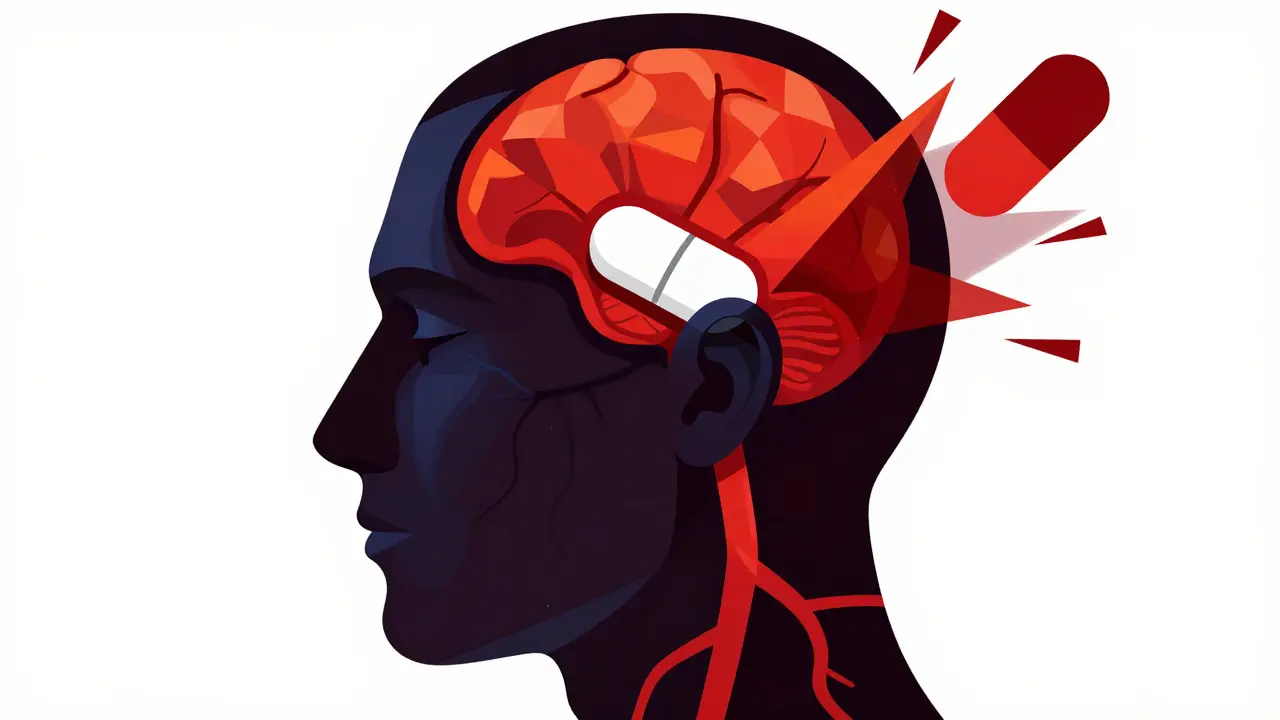
It’s 2 AM. Your head is pounding, light hurts your eyes, and you reach for that little pill bottle on the nightstand. You know it works-usually. But what if it doesn’t? Or worse, what if taking it puts your heart at risk?
For millions of people, Triptans are selective serotonin receptor agonists used as first-line treatment for moderate to severe acute migraine attacks. These medications revolutionized pain management when sumatriptan was approved by the U.S. Food and Drug Administration in 1991. Today, seven FDA-approved options exist: almotriptan (Axert), eletriptan (Relpax), frovatriptan (Frova), naratriptan (Amerge), rizatriptan (Maxalt), sumatriptan (Imitrex), and zolmitriptan (Zomig).
While effective for many, triptans come with strict limitations and dangerous drug interactions. Understanding these constraints isn't just medical trivia-it’s essential for safe, effective pain relief.
How Triptans Actually Work in Your Body
To understand why triptans have limitations, you need to know their mechanism. They aren't general painkillers like ibuprofen. Instead, they target specific receptors involved in migraine pathophysiology.
Triptans act primarily on 5-HT1B/1D receptors, which are serotonin receptors located on cranial blood vessels and trigeminal nerve endings. When activated:
- 5-HT1B stimulation causes constriction of dilated cranial blood vessels.
- 5-HT1D activation blocks the release of vasoactive peptides like calcitonin gene-related peptide (CGRP) and substance P from trigeminal neurons.
This dual action reduces inflammation and stops pain signals. Research shows sumatriptan can reduce CGRP levels in the external jugular vein as symptoms subside, proving this biological pathway is real and measurable.
However, this vasoconstrictive power is exactly why triptans carry cardiovascular risks. The same mechanism that shrinks swollen brain vessels also affects coronary arteries.
Critical Drug Interactions: The Serotonin Risk
The most serious interaction involving triptans involves other serotonergic drugs. Combining triptans with certain antidepressants or psychiatric medications can theoretically lead to Serotonin Syndrome, a potentially life-threatening condition caused by excessive serotonin activity in the central nervous system.
| Drug Class | Common Examples | Risk Level | Symptoms to Watch For |
|---|---|---|---|
| SSRIs | Fluoxetine (Prozac), Sertraline (Zoloft) | Moderate-High | Agitation, rapid heartbeat, high blood pressure, confusion |
| SNRIs | Venlafaxine (Effexor), Duloxetine (Cymbalta) | Moderate-High | Tremors, muscle rigidity, sweating, diarrhea |
| MAOIs | Phenelzine (Nardil), Tranylcypromine (Parnate) | Very High (Contraindicated) | Hyperthermia, seizures, cardiac arrhythmias |
| Ergot Derivatives | Ergotamine, Dihydroergotamine (Migranal) | High (Contraindicated) | Severe vasoconstriction, ischemia, gangrene risk |
While documented cases of serotonin syndrome from triptan-SSRI combinations remain rare, the theoretical risk requires caution. Always wait at least 24 hours after taking an MAOI before using any triptan. Never combine triptans with ergot-containing medications within 24 hours due to additive vasoconstrictive effects.
Cardiovascular Contraindications: Who Should Avoid Triptans
Because triptans constrict blood vessels, they are strictly contraindicated in patients with certain cardiovascular conditions. Using them in these populations can trigger heart attacks, strokes, or peripheral vascular damage.
Avoid triptans if you have:
- Ischemic heart disease or history of myocardial infarction
- Coronary artery vasospasm (Prinzmetal's angina)
- Cerebrovascular disease or history of stroke/TIA
- Peripheral vascular disease
- Uncontrolled hypertension
- Severe hepatic impairment
Data shows myocardial infarction occurs in approximately 0.08 per 10,000 patient-years of sumatriptan exposure. While this rate seems low, it’s significantly higher than baseline risk for healthy individuals. If you’re over 40 with multiple cardiovascular risk factors (smoking, diabetes, high cholesterol), discuss alternatives like Gepants (CGRP receptor antagonists) or Lasmiditan (Reyvow), a ditan that doesn’t cause vasoconstriction.

Timing Matters: When to Take Your Triptan
Many people misuse triptans by taking them too early or too late. Timing dramatically impacts efficacy.
If you experience migraine with aura, do not take triptans during the aura phase. During aura, blood vessels are already constricted. Adding a vasoconstrictor can worsen neurological symptoms or increase stroke risk. Wait until the headache pain begins.
Conversely, waiting too long reduces effectiveness. Clinical data shows optimal results when triptans are administered within 20 minutes of headache onset. Once cutaneous allodynia (skin sensitivity) develops, triptan efficacy drops from 70-80% to just 30-40%. Allodynia typically appears after several hours of untreated pain.
Dosing Limits and Medication Overuse Headache
More isn’t better with triptans. Exceeding recommended doses leads to diminishing returns and increases the risk of Medication Overuse Headache (MOH), a chronic daily headache disorder triggered by frequent use of acute migraine medications.
Follow these strict guidelines:
- Maximum 2 doses of any single triptan per day
- Minimum 2-hour interval between doses
- No more than 10 days per month for combined triptan/NSAID use
- No more than 9 days per month for triptans alone
Exceeding these limits can rewire your brain’s pain pathways, making migraines more frequent and harder to treat. If you find yourself needing triptans more than twice weekly, it’s time to discuss preventive therapy with your doctor.
Why One Triptan Might Fail While Another Works
About 30-40% of migraineurs don’t respond adequately to any given triptan. However, 30-40% of those non-responders will respond to a different triptan. Why? Pharmacokinetics vary significantly among the seven options.
| Triptan | Half-Life | Oral Bioavailability | Best For |
|---|---|---|---|
| Sumatriptan | 2 hours | 14-15% | Fast onset, short duration |
| Rizatriptan | 2-2.5 hours | 40-45% | Superior 2-hour efficacy |
| Zolmitriptan | 2.5-3 hours | 49% | Nasal spray option for nausea |
| Naratriptan | 6 hours | 72% | Longer duration, fewer side effects |
| Frovatriptan | 26 hours | 70% | Preventing recurrence |
Eletriptan 80 mg achieves the highest two-hour headache relief rate at 75.3%, while frovatriptan shows the lowest at 42.3% but lasts longer. If sumatriptan fails you, try rizatriptan or eletriptan. If headaches return quickly, switch to frovatriptan or naratriptan.
Side Effects That Make People Quit
Real-world data shows 50-60% of patients discontinue a specific triptan within one year. Common reasons include:
- Chest/throat tightness (5-7% of users)
- Dizziness (4-10%)
- Fatigue (3-8%)
- Headache recurrence within 24 hours (15-40%, depending on triptan)
Chest tightness often alarms patients but is usually benign musculoskeletal sensation rather than cardiac ischemia. However, always rule out heart issues first, especially if new or severe.
Alternatives When Triptans Aren't Safe or Effective
For the 10% of patients who derive no benefit from any triptan, or those with cardiovascular contraindications, newer classes offer hope:
- Gepants (Ubrogepant, Rimegepant): CGRP receptor antagonists without vasoconstriction
- Ditans (Lasmiditan): 5-HT1F agonists that block pain signaling without affecting blood vessels
- Combination therapies: Sumatriptan 85mg/naproxen sodium 500mg shows 26.9% 2-hour pain-free rate versus 18.3% for sumatriptan alone
The global migraine market projects triptan share declining from 45% in 2022 to 38% by 2027 as these alternatives gain adoption. Still, triptans remain first-line for uncomplicated cases due to decades of safety data and lower cost.
Can I take triptans with ibuprofen or naproxen?
Yes, combining triptans with NSAIDs like ibuprofen or naproxen is common and often more effective than either medication alone. Studies show sumatriptan/naproxen combination achieves higher pain-free rates. Just stay within monthly usage limits to avoid medication overuse headache.
What should I do if my triptan stops working?
First, check timing-are you taking it too late once allodynia sets in? Second, consider switching to a different triptan with varied pharmacokinetics. Third, evaluate whether you’ve developed medication overuse headache from frequent use. Consult your doctor about preventive treatments if acute meds fail repeatedly.
Are nasal spray triptans safer than pills?
Nasal sprays like zolmitriptan offer faster absorption and bypass gastrointestinal issues during nausea, but they carry the same cardiovascular risks and drug interactions as oral formulations. The route changes speed, not safety profile.
How long does it take for triptans to start working?
Oral triptans typically begin working within 30-60 minutes, with peak effect at 2 hours. Nasal sprays may work slightly faster (15-30 minutes). Subcutaneous injections (sumatriptan) work fastest, often within 10-15 minutes. Individual response varies based on metabolism and migraine severity.
Can triptans cause dependency or addiction?
Triptans are not addictive in the traditional sense-they don’t create cravings or euphoria. However, frequent use can lead to medication overuse headache, where your brain becomes dependent on regular dosing to prevent rebound pain. This is physiological adaptation, not chemical addiction.