Statin Cognitive Profile Checker
Select a medication below to see its blood-brain barrier permeability and associated cognitive profile based on the article's data.
Atorvastatin
CommonSimvastatin
CommonRosuvastatin
CommonPravastatin
Common-
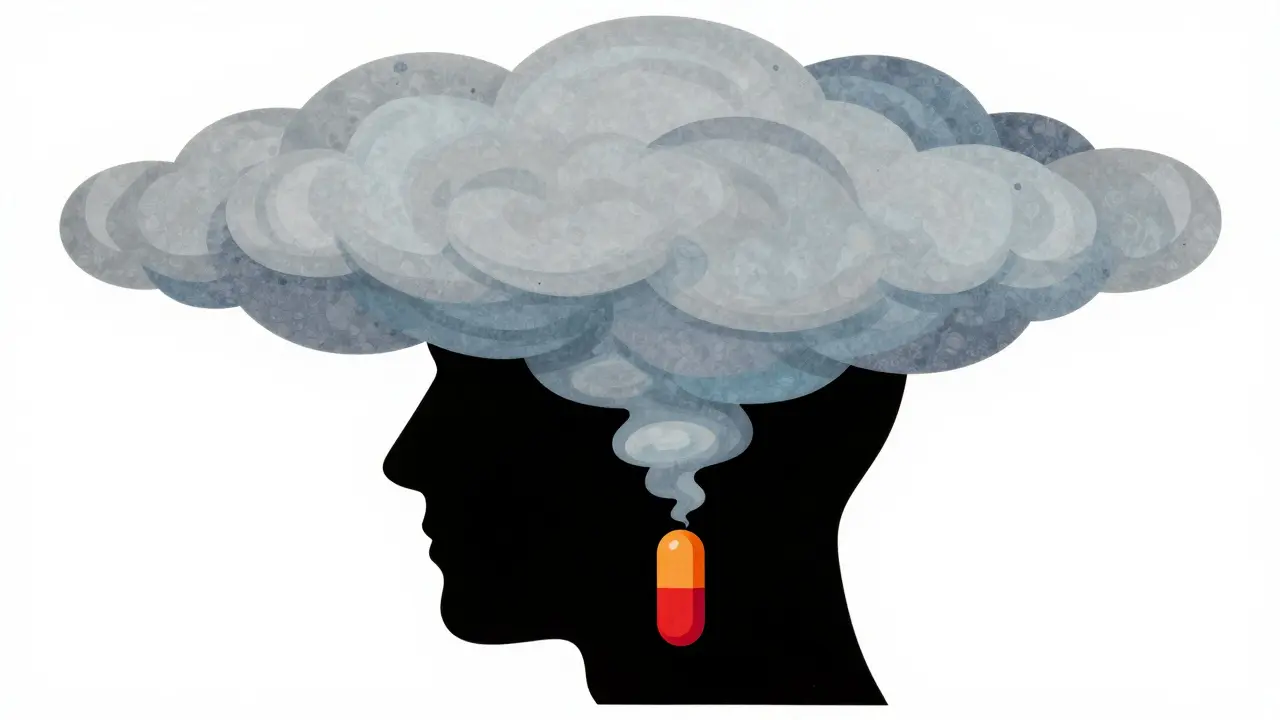
You’ve probably heard a story or two about someone who started taking cholesterol meds and suddenly couldn't remember where they parked their car or struggled to find a common word. It's a scary thought-taking a pill to protect your heart, only to feel like your brain is getting foggier. But is there a real link between Statins is a class of drugs called HMG-CoA reductase inhibitors used to lower LDL cholesterol and prevent cardiovascular disease and memory loss, or is it just a coincidence?
The short answer is that while some people do report "brain fog" or forgetfulness, the scientific community is largely split. For the vast majority of people, these drugs actually protect the brain in the long run. However, if you're feeling a shift in your cognitive abilities, it's important to know what's actually happening and how to handle it without risking your heart health.
The Connection: Why Some People Feel Foggy
To understand why memory loss comes up, we have to look at how these drugs work. Statins block an enzyme in the liver to lower the "bad" cholesterol (LDL). The debate about memory stems from the fact that the brain needs cholesterol to build cell membranes and maintain the myelin sheath that protects nerves.
The real clue lies in the chemistry of the drug. Statins are split into two groups based on how they interact with fats. Lipophilic statins (like Atorvastatin or Simvastatin) dissolve in fats and can easily cross the blood-brain barrier. On the other hand, Hydrophilic statins (like Pravastatin or Rosuvastatin) don't cross into the brain nearly as easily.
Because of this, people on lipophilic versions are more likely to report cognitive issues. A 2023 analysis in the Journal of the American College of Cardiology found that these fat-soluble drugs had a 1.42-fold higher incidence of reported cognitive complaints. Interestingly, when these same patients took objective memory tests, there was often no measurable difference. This suggests that while the statins and memory loss connection feels very real to the patient, it might not actually be impairing their brain function in a clinical sense.
Real-World Evidence: Subjective vs. Objective
There is a frustrating gap between how patients feel and what the tests show. For instance, a study in the Journal of General Internal Medicine found that 28% of users reported cognitive problems, but only 8% actually scored poorly on neuropsychological tests. This points toward a "nocebo effect"-where you experience a side effect because you've heard it's possible, not because the drug is causing it.
That said, the FDA didn't ignore these reports. In 2012, they officially added memory loss and confusion to the labeling for statins. Most of these cases, documented via the MedWatch system, showed that the symptoms appeared quickly-often within 60 days of starting the medication-and disappeared once the drug was stopped.
| Feature | Lipophilic Statins | Hydrophilic Statins |
|---|---|---|
| Examples | Atorvastatin, Simvastatin, Lovastatin | Pravastatin, Rosuvastatin |
| Blood-Brain Barrier | Crosses easily | Does not cross easily |
| Reported Fog | Higher incidence | Lower incidence |
| Objective Decline | Rarely detected | Rarely detected |
The Plot Twist: Statins Might Actually Prevent Dementia
Here is the part that often gets left out of the scary headlines: statins might actually be a shield for your brain. While some people feel a short-term "fog," the long-term data is surprisingly positive. The Alzheimer's Society analyzed over 1.2 million participants and found that statin use was linked to a 21% lower risk of developing dementia.
This makes a lot of sense when you think about Vascular Dementia. This type of dementia is caused by poor blood flow and small strokes in the brain. Since statins prevent the plaques that block arteries, they effectively stop the "plumbing issues" that lead to cognitive decline. In fact, the risk reduction for vascular dementia was as high as 33% in some analyses.
How to Handle Cognitive Concerns
If you feel like your memory is slipping after starting a statin, don't just stop taking the medication. Stopping a statin abruptly can cause a spike in cholesterol and increase your risk of a heart attack or stroke. Instead, use a systematic approach to find the cause.
First, track your symptoms. Are you actually forgetting appointments, or are you just feeling a bit more tired? Second, talk to your doctor about a "statin holiday." The American Academy of Neurology suggests a 4-6 week break to see if the symptoms resolve. If the fog clears and then returns once you restart the medication, you've found your culprit.
If the medication is indeed the cause, you have a few options:
- Switch Types: If you are on a lipophilic drug (like Atorvastatin), your doctor might switch you to a hydrophilic one (like Rosuvastatin) that doesn't enter the brain.
- Adjust the Dose: Sometimes a slight reduction in dosage is enough to clear the mental haze while still keeping your LDL in check.
- Change Timing: Some patients find that taking their dose at a different time of day alters how they feel.
The Risk-Benefit Equation
At the end of the day, it's about a trade-off. For someone with a high risk of a heart attack, a little bit of forgetfulness is a small price to pay for a longer life. Dr. JoAnn Manson from Harvard Medical School emphasizes that for appropriate candidates, the cardiovascular benefits substantially outweigh the cognitive risks.
Many other things cause memory loss that aren't statins-sleep apnea, vitamin B12 deficiency, depression, or just the natural process of aging. Because statins are so common, they often get the blame for things that are actually caused by other health issues. Before assuming the pill is the problem, it's worth checking your blood pressure, blood sugar, and sleep quality.
Can statins cause permanent memory loss?
There is no strong evidence that statins cause permanent brain damage or long-term cognitive decline. Most reported cases of memory loss are acute and reversible, meaning they go away once the medication is stopped or changed.
Which statin is the safest for memory?
Hydrophilic statins, such as Pravastatin and Rosuvastatin, are generally considered safer for those worried about cognitive effects because they do not cross the blood-brain barrier as easily as lipophilic ones.
What is the "statin holiday"?
A statin holiday is a medically supervised 4-6 week break from taking your medication. This is used as a diagnostic tool to see if cognitive symptoms disappear without the drug, helping doctors determine if the statin is actually the cause of the memory issues.
Do statins increase the risk of Alzheimer's?
Actually, the opposite appears to be true. Large-scale studies, including data from the Alzheimer's Society, suggest that statins may reduce the risk of dementia and Alzheimer's by improving vascular health in the brain.
How quickly do memory side effects appear?
In patients who do experience cognitive side effects, symptoms typically emerge within the first 30 to 60 days of starting the therapy.


