Statin Monitoring & Safety Tracker
Patient Profile
Only select if you are experiencing these currently.
Your Monitoring Timeline
Enter your start date to see your recommended testing schedule based on FDA/ACC guidelines.
You’ve been prescribed a statin. Maybe it’s atorvastatin, rosuvastatin, or simvastatin. Your doctor likely told you it’s crucial for your heart health. But then comes the follow-up question that causes more anxiety than the medication itself: "Do I need endless blood tests?" The short answer is no. The landscape of statin monitoring has changed dramatically in the last decade. In fact, most routine lab work you might expect is no longer recommended by major health authorities unless you have specific symptoms or risk factors.
This shift isn't about cutting corners; it's about evidence. Decades of data show that severe liver damage from statins is exceptionally rare-less than one case per million patient-years. Yet, millions of patients still undergo unnecessary testing, leading to confusion, anxiety, and sometimes, the dangerous discontinuation of life-saving therapy. Let’s break down exactly what needs checking, when, and why, so you can navigate your treatment with confidence.
The Baseline: What Gets Checked Before You Start
Before you take your first pill, your healthcare provider needs a snapshot of your current health. This isn't just bureaucracy; it establishes a reference point to measure effectiveness and safety later. Think of this as setting the stage for your treatment plan.
According to guidelines from the NHS Specialist Pharmacy Service (2023) and the American College of Cardiology (ACC), the following baseline measurements are standard:
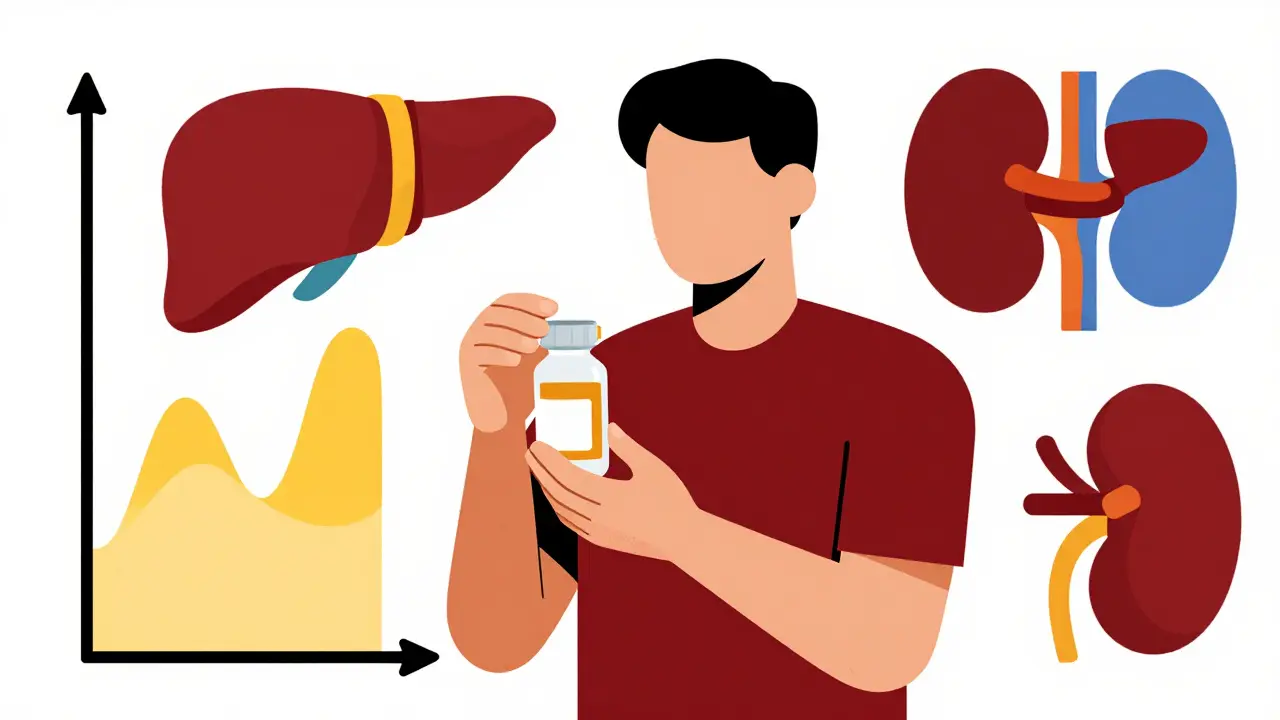
- Lipid Panel: This includes total cholesterol, LDL (bad) cholesterol, HDL (good) cholesterol, and triglycerides. This tells us if the statin is actually working.
- Liver Enzymes: Specifically Alanine Aminotransferase (ALT) or Aspartate Aminotransferase (AST). These enzymes leak into the blood if liver cells are damaged. A single check ensures you don’t have pre-existing liver disease that might complicate treatment.
- Kidney Function: Serum creatinine is measured to estimate your glomerular filtration rate (eGFR). Statins are generally safe for kidneys, but knowing your baseline helps manage overall cardiovascular risk.
- Blood Sugar Markers: HbA1c or fasting glucose. Statins can slightly increase blood sugar levels, so knowing where you stand helps monitor diabetes risk.
- Vitals: Blood pressure and Body Mass Index (BMI) are recorded to assess overall cardiovascular health.
Note that Creatine Kinase (CK), a muscle enzyme, is not routinely checked at baseline unless you already have unexplained muscle pain. Measuring CK without symptoms provides little clinical value and can lead to false alarms.
The Early Check-In: 4 to 12 Weeks Later
Once you start the medication, the clock starts ticking. The primary goal here is efficacy. Is the drug lowering your LDL cholesterol as expected?
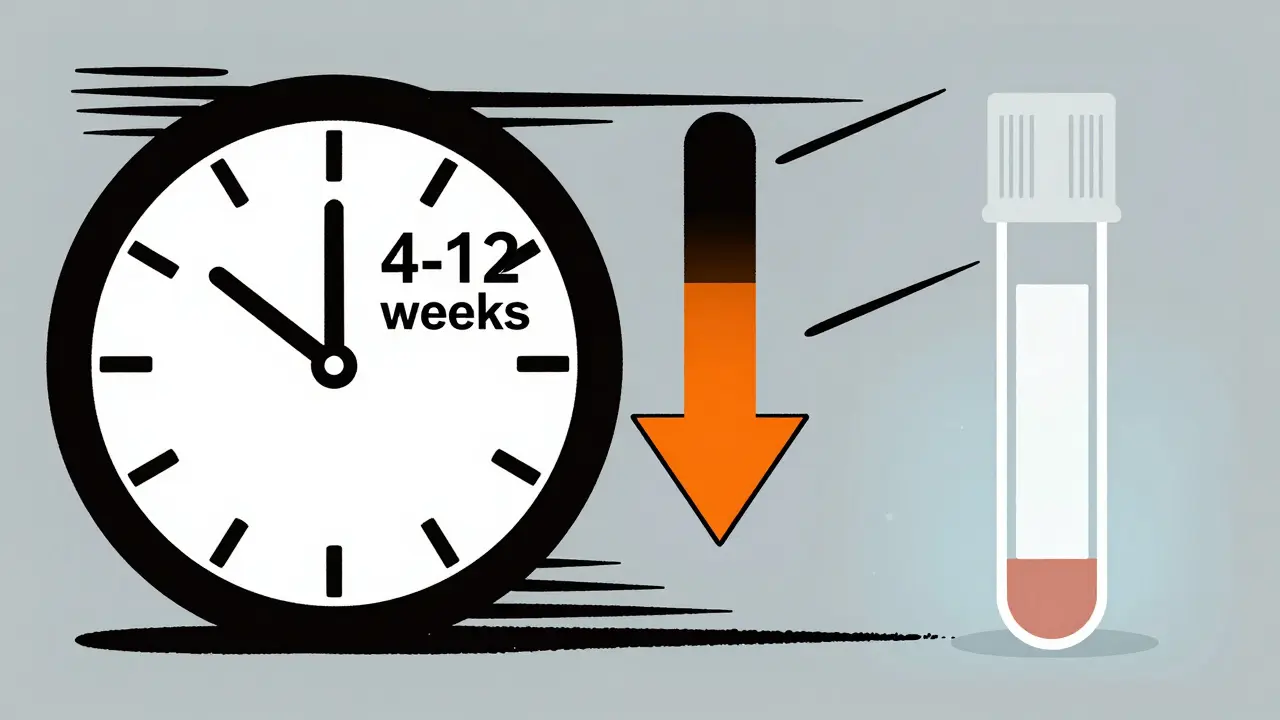
The American Academy of Family Physicians (AAFP) recommends repeating the lipid panel 4 to 12 weeks after initiating therapy or adjusting the dose. Most statins aim to reduce LDL by 30% to 50%, depending on the intensity of the prescription. If your numbers haven’t moved significantly, your doctor might adjust the dosage or switch medications.
What about safety during this window? Major guidelines, including those from NICE (National Institute for Health and Care Excellence) in the UK and the FDA in the US, state that routine liver function tests (LFTs) are not required at this stage unless you develop symptoms like unusual fatigue, loss of appetite, or abdominal pain. The fear of liver damage often leads doctors to order these tests out of habit, but the data doesn't support it. A landmark meta-analysis of 83,000 patients found no significant difference in serious liver events between those taking statins and those on placebo.
Long-Term Maintenance: The New Normal
After the initial adjustment period, how often do you need to see a phlebotomist? Surprisingly rarely.
If you are asymptomatic-meaning no muscle pain, no signs of liver distress-guidelines suggest checking lipids every 3 to 12 months. This frequency depends on your adherence to the medication and whether your levels remain stable. For liver enzymes, the consensus among experts like Dr. Christie Ballantyne of the National Lipid Association is clear: routine periodic monitoring is not supported by evidence. Instead, tests should be done "as clinically indicated."
This means if you feel fine, you might not need another LFT for years. This approach saves healthcare systems an estimated $1.2 billion annually in the U.S. alone by eliminating redundant tests. More importantly, it prevents "testing anxiety," where patients worry about minor fluctuations in enzyme levels that are clinically insignificant.
| Organization | Liver Function Tests (LFTs) | Lipid Panels | Glucose/HbA1c |
|---|---|---|---|
| FDA / ACC/AHA (US) | Baseline only; thereafter as clinically indicated | 4-12 weeks after start/change, then every 3-12 months | Monitor based on diabetes risk factors |
| NICE (UK) | Baseline, 3 months, 12 months, then only if symptomatic | Similar to US guidelines | Routine monitoring not required |
| ADA (Diabetes Focus) | As clinically indicated | Standard cardiovascular care | Every 3-6 months for high-risk patients |
| Japanese Atherosclerosis Society | Quarterly for the first year | Standard intervals | Standard intervals |
When to Worry: Red Flags and Symptoms
While routine labs aren't needed, your body is the best sensor. You must stay vigilant for two main types of adverse effects: myopathy (muscle issues) and hepatotoxicity (liver issues).
Muscle Symptoms: Statin-associated muscle symptoms (SAMS) are the most common reason people stop their medication. If you experience persistent muscle pain, weakness, or tenderness, especially in the shoulders, thighs, or back, contact your doctor. Do not wait for your next scheduled appointment. Your doctor may order a Creatine Kinase (CK) test. Note that CK levels can spike temporarily after strenuous exercise, so avoid heavy workouts before the blood draw. If CK levels exceed 10 times the upper limit of normal, the statin is usually paused immediately.
Liver Symptoms: True statin-induced liver injury is rare and idiosyncratic, meaning it doesn't depend on the dose. Watch for unexplained nausea, vomiting, loss of appetite, unusual tiredness, dark urine, or yellowing of the skin or eyes (jaundice). If these occur, seek medical attention promptly. Minor elevations in ALT or AST (less than 3 times the upper limit of normal) are common and often transient; they typically do not require stopping the medication.

Special Considerations and Drug Interactions
Not all patients are created equal. Certain groups require a more nuanced approach to monitoring.
Polypharmacy: If you take other medications, interactions can amplify side effects. Fibrates (like gemfibrozil), niacin, and certain antibiotics (macrolides) or antifungals can increase statin levels in the blood, raising the risk of muscle toxicity. In these cases, closer monitoring of CK and liver enzymes may be warranted.
Renal Impairment: Patients with chronic kidney disease may need dose adjustments, particularly for statins that are metabolized by the kidneys, like rosuvastatin. Regular checks of serum creatinine and eGFR are essential.
Genetic Factors: Recent advances in pharmacogenetics have identified the SLCO1B1 gene variant, which affects how the liver processes simvastatin. Individuals with this variant (present in about 12% of Caucasians) have a higher risk of myopathy. While routine genetic testing isn't yet standard everywhere, discussing your family history and personal reaction to statins can help tailor your therapy.
Why Some Doctors Still Over-Test
You might wonder why some physicians continue to order quarterly LFTs despite guidelines saying otherwise. It often comes down to inertia and liability fears. Electronic Health Records (EHRs) often have default ordering sets that include these tests, making it easy to click through without thinking. Additionally, older training emphasized rigorous monitoring, and changing habits takes time.
However, over-testing has downsides. It can lead to "incidentalomas"-minor abnormalities that trigger unnecessary further investigations. It also increases patient anxiety. Studies show that patients who are told their statin was stopped due to a slightly elevated ALT level (even if within safe limits) often never restart the medication, increasing their risk of heart attack or stroke by 10-20%. Clear communication from your provider about what constitutes a "real" problem versus a "noise" result is key.
Do I need to get my liver tested every time I refill my statin prescription?
No. Current FDA and ACC/AHA guidelines recommend liver enzyme tests only before starting therapy and then "as clinically indicated." Routine periodic testing is no longer recommended for asymptomatic patients because severe liver injury is extremely rare.
How soon after starting a statin should I check my cholesterol levels?
You should have a lipid panel repeated 4 to 12 weeks after starting the medication or changing the dose. This allows enough time for the drug to reach steady-state levels and effectively lower your LDL cholesterol.
What should I do if I experience muscle pain while on statins?
Contact your healthcare provider. They may order a Creatine Kinase (CK) test to check for muscle damage. Avoid strenuous exercise before the blood test as it can falsely elevate CK levels. Do not stop the medication abruptly without consulting your doctor, as there may be alternative strategies.
Can statins raise my blood sugar?
Yes, statins can cause a small increase in blood sugar levels, slightly increasing the risk of type 2 diabetes. However, the cardiovascular benefits of statins far outweigh this risk. Your doctor may monitor your HbA1c or fasting glucose periodically, especially if you have other risk factors like obesity or prediabetes.
Is it safe to take statins if I have mild liver enzyme elevations?
In many cases, yes. Mild elevations (less than 3 times the upper limit of normal) are common and often transient. They do not necessarily indicate liver damage. Your doctor will likely repeat the test in a month to ensure stability. Discontinuing statins for minor elevations can increase cardiovascular risk unnecessarily.