Probiotic Timing Calculator
Why Timing Matters
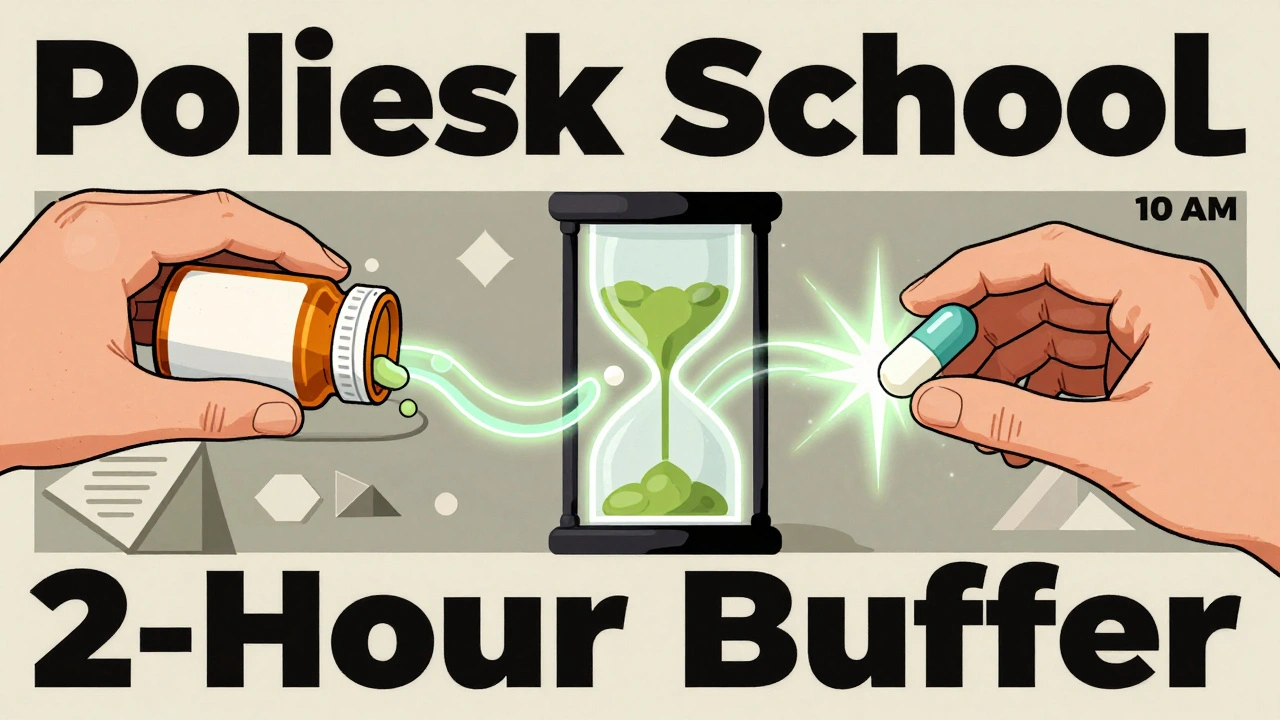
Antibiotics kill beneficial gut bacteria. Taking probiotics too soon after antibiotics can destroy the beneficial bacteria. Wait 1-2 hours to give antibiotics time to work without killing the probiotics.
is the critical window for maximum probiotic effectiveness
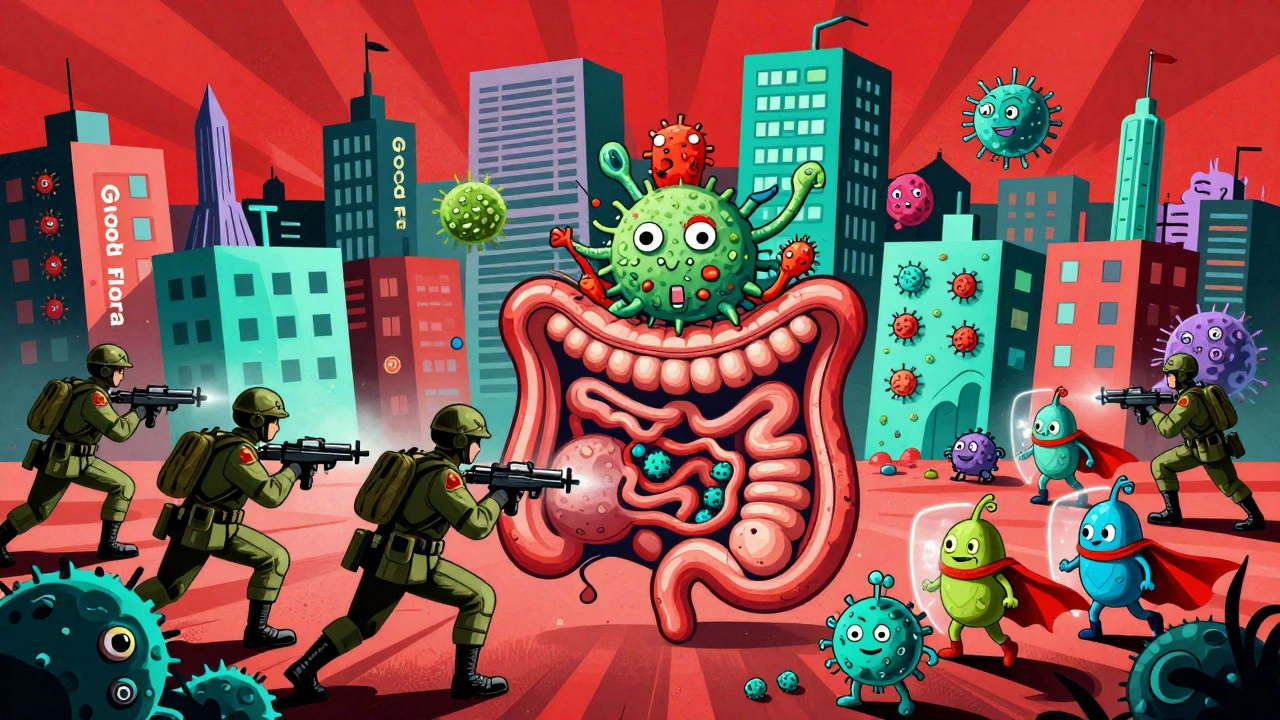
When you’re on antibiotics, you know the drill: take your pills, feel better in a few days, and then… the diarrhea hits. Or the bloating. Or worse - the cramps that won’t quit. It’s not just bad luck. Antibiotics don’t just kill the bad bacteria. They wipe out the good ones too. And that’s where probiotics come in.
Why Your Gut Gets Wrecked by Antibiotics
Antibiotics are powerful. They’re designed to destroy bacteria causing infections. But they don’t pick and choose. They hit everything. Your gut is home to trillions of bacteria - the ones that help digest food, make vitamins, and keep harmful bugs in check. When antibiotics sweep through, they flatten that ecosystem like a bulldozer. The result? Antibiotic-associated diarrhea (AAD), which affects up to 30% of people taking antibiotics. In severe cases, it can lead to Clostridioides difficile (C. diff) infection - a dangerous, hard-to-treat gut infection that causes severe diarrhea, fever, and even colon damage.How Probiotics Help - And Which Ones Actually Work
Probiotics are live beneficial bacteria or yeasts. When taken alongside antibiotics, they don’t fight the infection. Instead, they act like bodyguards for your gut. They help keep the good microbes alive, crowd out harmful ones, and reduce inflammation. But not all probiotics are the same. The science is clear: only specific strains have strong evidence backing them.- Lactobacillus rhamnosus GG - This strain has been studied in over 20 clinical trials. It’s been shown to reduce AAD risk by up to 58%. It’s the main ingredient in Culturelle and other top-selling brands.
- Saccharomyces boulardii CNCM I-745 - This is a yeast, not a bacteria. It’s especially effective against C. diff. Studies show it cuts C. diff risk by two-thirds in high-risk patients.
- Bifidobacterium strains - These are better for long-term gut recovery after antibiotics. They help rebuild diversity in your microbiome.
Other strains? Maybe helpful. But the data isn’t strong enough to recommend them over these two. If you’re buying a probiotic, check the label. Look for these exact strain names. Generic labels like “Lactobacillus blend” or “10 billion CFUs” won’t cut it.
When and How to Take Them
Timing matters. If you take your probiotic at the same time as your antibiotic, the antibiotic will kill it before it even gets to your gut. The solution? Space them out.Take your probiotic 1 to 2 hours after your antibiotic dose. This gives the antibiotic time to do its job, and the probiotic time to survive. Don’t wait until bedtime - take it with lunch or dinner, whichever is closest to your antibiotic timing.
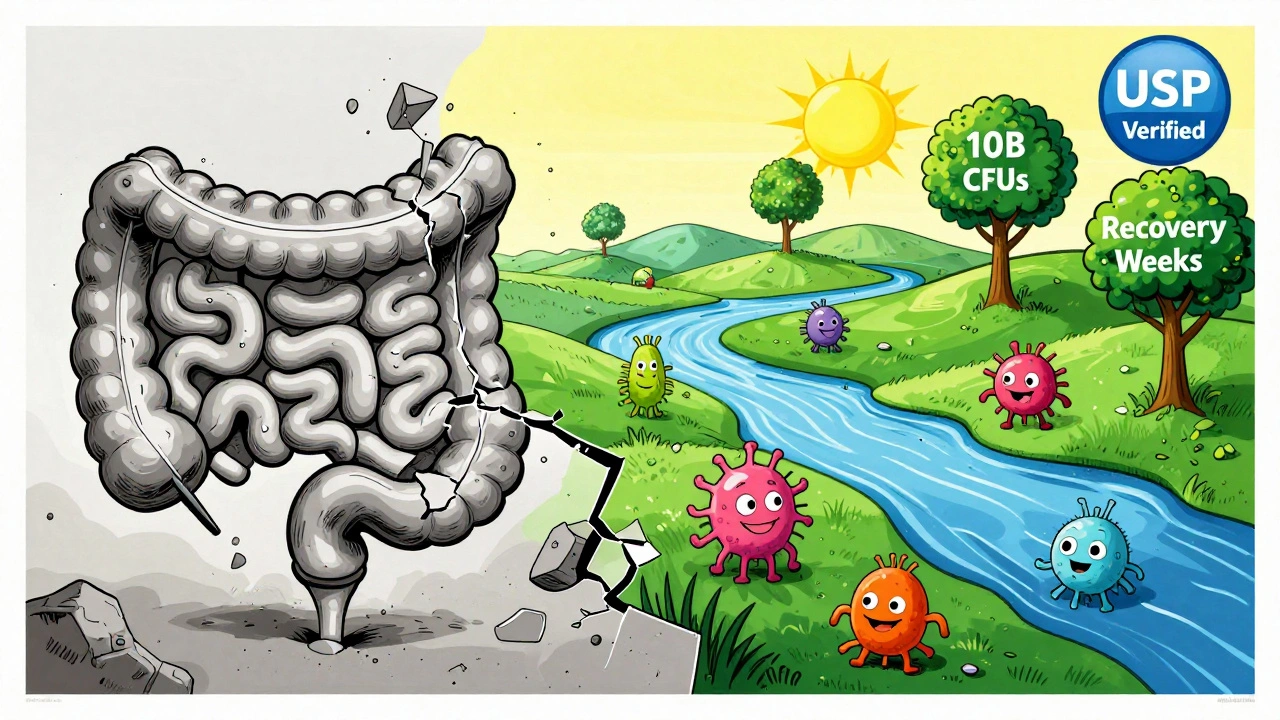
Start the probiotic on day one of your antibiotic course. Keep taking it every day until the antibiotics are done - and then continue for another 1 to 2 weeks. Why? Because your gut doesn’t bounce back overnight. Studies show it can take months for your microbiome to fully recover without help.
For most people, a daily dose of 10 billion to 50 billion CFUs is enough. Higher doses aren’t necessarily better - and they might just cause more gas.
What the Research Says - And What It Doesn’t
A 2013 analysis of nearly 9,000 patients found probiotics reduced AAD risk by 42%. A 2022 review of 29 studies showed a 66% drop in C. diff cases when people took S. boulardii. That’s not a small effect. It’s life-changing for someone who’s had recurrent diarrhea after antibiotics.But here’s the catch: not all studies agree. A 2018 study in Cell suggested that taking probiotics after antibiotics might actually delay microbiome recovery in some people. The study followed 21 volunteers and found their gut bacteria took longer to return to normal compared to those who didn’t take probiotics. But here’s the key - this was a tiny study. And it didn’t look at probiotics taken during antibiotics, only after. Most doctors still recommend taking them with antibiotics - not after.
Major medical groups are split. The Infectious Diseases Society of America (IDSA) says probiotics are a good idea for high-risk patients - like those on broad-spectrum antibiotics or with a history of C. diff. The American Gastroenterological Association (AGA) says no - because product quality is so inconsistent. The truth? It’s not black and white. If you’re healthy and taking a short course of amoxicillin for a sinus infection? Probiotics are likely to help. If you’re in the hospital on vancomycin and have a central line? Talk to your doctor first.
What to Look for - and What to Avoid
Not all probiotics are created equal. Many products don’t even contain what’s on the label. Independent testing by ConsumerLab found that 23% to 45% of probiotics had less than the advertised CFUs. Some had none at all.Here’s how to pick a good one:
- Look for USP Verified on the label. This means an independent group checked the ingredients and potency.
- Choose refrigerated products if possible. They tend to have higher survival rates - up to 78% viable bacteria versus 62% in shelf-stable versions.
- Avoid products with fillers like maltodextrin or artificial colors. They serve no purpose.
- Check the expiration date. Probiotics die over time. A product that expired 6 months ago won’t help you.
Also, avoid probiotics if you have a central venous catheter, are severely immunocompromised, or have pancreatitis. There have been rare cases of probiotics causing bloodstream infections in these patients. It’s not common - but it’s serious.
Real People, Real Results
On Reddit’s r/GutHealth, users report mixed results. One person wrote: “Took Culturelle with my 10-day amoxicillin course. Zero diarrhea - finally.” Another said: “Spent $35 on Garden of Life. Still got C. diff after clindamycin.”The difference? Strain choice and timing. The first person took L. rhamnosus GG, spaced it correctly, and finished the full course. The second used a multi-strain product with no proven evidence for C. diff prevention - and didn’t take it consistently.
Amazon reviews for top-rated probiotics average 4.1 stars. The most common positive comment? “No more bathroom emergencies.” The most common negative? “Didn’t work.” But when you dig into the reviews, the ones that didn’t work usually didn’t specify the strain or took it at the same time as the antibiotic.
The Big Warning: Antibiotic Resistance in Probiotics
Here’s something no one talks about much - but you need to know. A 2025 study in mSphere found that 38% of commercial probiotics carry antibiotic resistance genes. That means the “good” bacteria in your supplement could be carrying genes that make harmful bacteria resistant to tetracycline, macrolides, and other antibiotics.The FDA noticed this too. In June 2023, they issued draft guidance requiring all new probiotic products to be tested for these genes. This could change the market. In the next few years, you might see fewer multi-strain blends and more targeted, single-strain products.
For now, stick with well-researched strains like L. rhamnosus GG and S. boulardii. They’ve been used for decades and have minimal resistance gene reports.
Final Advice: Should You Take Probiotics with Antibiotics?
If you’re taking antibiotics and you’ve ever had diarrhea afterward - yes. Take a probiotic. But don’t just grab any bottle off the shelf. Do this:- Choose a product with Lactobacillus rhamnosus GG or Saccharomyces boulardii CNCM I-745.
- Take it 1-2 hours after your antibiotic.
- Keep taking it daily - even after your antibiotics are done.
- Look for USP Verified or refrigerated options.
- Stop immediately if you’re immunocompromised or have a central line - and talk to your doctor.
Probiotics aren’t magic. They won’t cure your infection. But they can make the side effects bearable - and maybe even prevent a hospital visit. In a world where antibiotic resistance is rising, protecting your gut isn’t just about comfort. It’s about staying healthy long-term.
What About Diet? Can I Just Eat Yogurt?
Yogurt has probiotics - but not enough, and not the right kinds. Most store-bought yogurt has less than 1 billion CFUs - and the strains are often not proven for antibiotic support. Plus, many yogurts are loaded with sugar, which can feed bad bacteria. A supplement gives you a controlled, targeted dose. Yogurt is fine as a snack, but don’t rely on it to prevent diarrhea.Is It Worth the Cost?
A good probiotic costs $20 to $45 a month. That’s less than a prescription co-pay. Compare that to the cost of a C. diff infection - which can mean hospitalization, IV antibiotics, and weeks off work. For most people, it’s one of the cheapest, safest health decisions you can make while on antibiotics.Can I take probiotics at the same time as my antibiotic?
No. Taking them together can kill the probiotics before they reach your gut. Wait at least 1 to 2 hours after taking your antibiotic to take your probiotic. This gives the antibiotic time to work without destroying the beneficial bacteria.
Which probiotic strain is best for preventing diarrhea from antibiotics?
Lactobacillus rhamnosus GG and Saccharomyces boulardii CNCM I-745 are the two strains with the strongest evidence. L. rhamnosus GG is best for general antibiotic-associated diarrhea, while S. boulardii is more effective against C. diff infections. Look for these exact names on the label.
Do I need to keep taking probiotics after my antibiotics are done?
Yes. Your gut microbiome takes weeks to recover. Continue taking the probiotic for 1 to 2 weeks after your antibiotic course ends. This helps restore balance and prevents lingering side effects like bloating or irregular bowel movements.
Are probiotics safe for everyone?
Most healthy people can take probiotics safely. But if you have a central venous catheter, are severely immunocompromised (like during chemotherapy), or have pancreatitis, you should avoid them. There’s a small risk of bloodstream infection in these cases. Always check with your doctor first.
Why do some probiotics not work?
Many products don’t contain the strains proven to work, or they have too few live bacteria. Some are expired, poorly stored, or contain fillers that don’t help. Look for USP Verified products, refrigerated options, and exact strain names. Generic “10 billion CFU” labels are often meaningless.
Can probiotics cause side effects?
Some people get mild gas or bloating in the first few days - this usually goes away. Serious side effects are rare. But if you experience fever, chills, or severe abdominal pain, stop taking them and contact your doctor immediately.


