
One in seven new mothers experiences postpartum depression - not just feeling tired or overwhelmed, but sinking into a deep, persistent sadness that doesn’t lift with sleep or support. It’s not weakness. It’s not bad parenting. It’s a real medical condition tied to dramatic shifts in the body after childbirth. And while many assume hormones alone cause it, the truth is more complex - and more treatable.
What Happens to Hormones After Birth?
During pregnancy, estrogen and progesterone levels rise to ten times their normal levels. Within 48 to 72 hours after delivery, they crash - dropping back to pre-pregnancy levels almost overnight. That’s not a slow adjustment. It’s a hormonal earthquake.
One key player is allopregnanolone, a metabolite of progesterone that calms the brain. When progesterone plummets, so does allopregnanolone. This can trigger anxiety, irritability, and emotional numbness - symptoms common in postpartum depression. Oxytocin, the bonding hormone released during breastfeeding, also dips in some women, making it harder to feel connected to the baby.
But here’s the twist: studies have found no consistent difference in hormone levels between women who develop postpartum depression and those who don’t. That means hormones aren’t the direct cause - they’re more like a trigger. If your brain is already vulnerable - due to genetics, past depression, stress, or lack of support - that hormonal shift can push you over the edge.
It’s Not Just Hormones
Blaming hormones alone is outdated - and unhelpful. Postpartum depression is a mix of biology, psychology, and environment. A history of depression raises your risk by 30%. Sleep deprivation? That’s a major factor. Financial stress, isolation, an unsupportive partner, or a traumatic birth experience can all contribute.
And it’s not just mothers. About 1 in 10 new fathers experience postpartum depression. Transgender and nonbinary parents face similar rates. Even adoptive parents see rates of 6-8%. This isn’t a condition tied to giving birth - it’s tied to the massive life shift that comes with becoming a parent.
Disparities exist too. American Indian and Alaska Native mothers report postpartum depression at 20.1%, compared to 13.9% among non-Hispanic white mothers. Access to care, systemic stressors, and cultural factors all play a role.
How Is It Diagnosed?
There’s no blood test. No scan. Diagnosis comes from symptoms and screening tools - most commonly the Edinburgh Postnatal Depression Scale. It’s a simple 10-question survey asking about mood, sleep, anxiety, and thoughts of self-harm. A score of 10 or higher usually means further evaluation is needed.
Doctors now recognize that postpartum depression can start during pregnancy and last up to a year after birth. The DSM-5 calls it “Depressive Disorder with Peripartum Onset,” covering both prenatal and postnatal phases. Many women are told, “It’s just the baby blues,” but baby blues fade in two weeks. PPD gets worse.
Treatment Options: What Actually Works
The good news? Postpartum depression responds well to treatment - and you don’t have to choose between meds and therapy. Many women benefit from both.
Therapy: The First-Line Defense
Cognitive Behavioral Therapy (CBT) is one of the most effective non-medication treatments. A 2020 meta-analysis found CBT led to a 52.3% improvement rate in PPD symptoms - nearly double the rate of no treatment. Therapy helps reframe negative thoughts, build coping skills, and reduce guilt. Many women find relief just by talking to someone who understands - not judging, not fixing, just listening.
Peer support groups, like those run by Postpartum Support International, offer another lifeline. Their warmline (1-800-944-4773) fields about 25,000 calls a year. Eighty-seven percent of callers say the support was “helpful” or “very helpful.” You’re not alone, even when it feels that way.
Medication: Safe for Breastfeeding
Antidepressants, especially SSRIs like sertraline, are often the next step. Sertraline is preferred because it passes into breast milk in very low amounts. Hale’s Medication and Mothers’ Milk rates it L2 - “safer.” Many mothers worry about side effects, but untreated depression poses a bigger risk to both mother and child.
Studies show women on SSRIs for PPD have better bonding with their babies, improved sleep, and faster recovery. It’s not a magic pill, but it can be the bridge back to feeling like yourself.
Breakthrough Treatments: Brexanolone and Zuranolone
In 2019, the FDA approved brexanolone (Zulresso), the first drug specifically for moderate-to-severe postpartum depression. It’s a synthetic version of allopregnanolone, given as a 60-hour IV infusion. It works fast - many women feel better within hours. But it requires hospitalization and constant monitoring because it can cause extreme drowsiness.
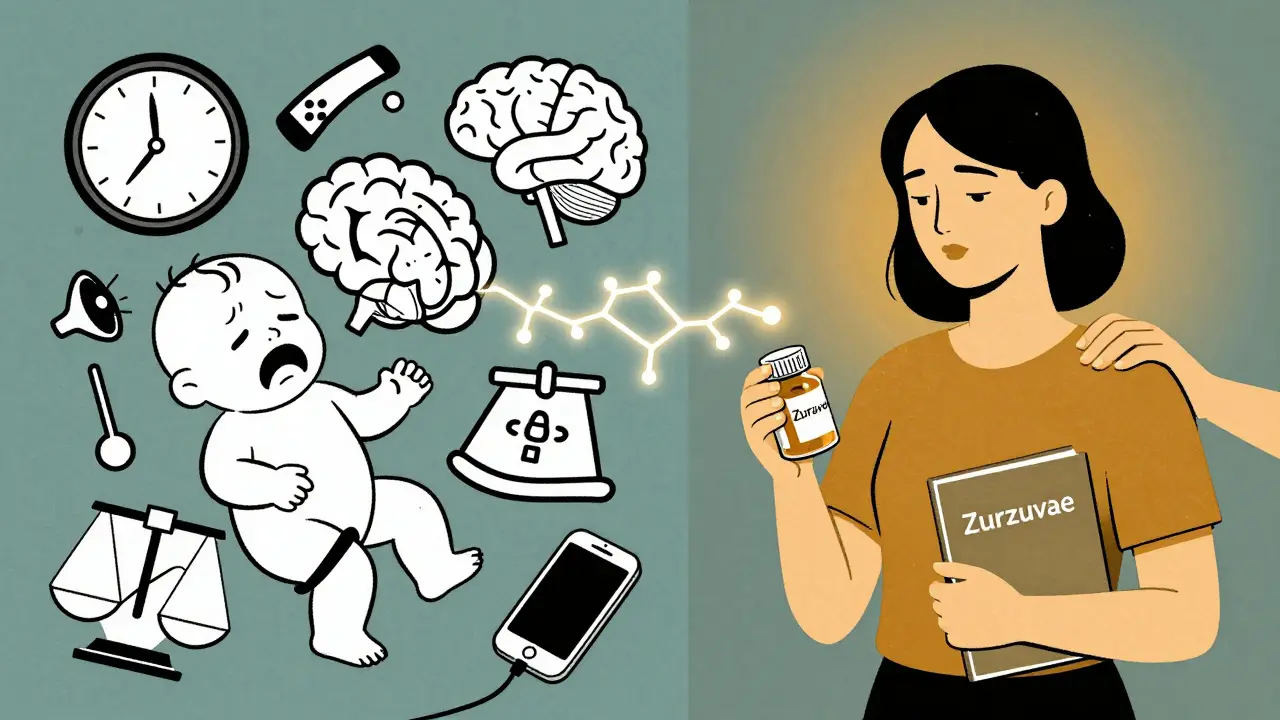
In August 2023, the FDA approved zuranolone (Zurzuvae), the first oral version. You take it for just two weeks. No IV. No hospital stay. This is a game-changer for women who can’t leave their babies or don’t have support.
Other Options: TMS and Beyond
For women who don’t respond to meds or therapy, transcranial magnetic stimulation (TMS) is showing promise. A 2020 study found 68.4% of PPD patients improved after six weeks of TMS. It’s non-invasive, doesn’t affect breastfeeding, and has few side effects.
Research is also exploring the gut-brain connection. A 2021 study found differences in gut bacteria between women with and without PPD. While not yet a treatment, this could lead to new dietary or probiotic interventions in the future.
What Doesn’t Work - and Why
“Just get more sleep” or “take a walk” won’t fix PPD. These suggestions, while well-meaning, ignore the biological reality. You can’t will your way out of a brain chemistry imbalance.
Hormone replacement - like estrogen pills - was once thought to help. Some small studies showed improvement, but the risks - blood clots, stroke, effects on milk supply - outweigh the benefits. Hormonal treatments are still experimental. Don’t try them without medical supervision.
And don’t wait for it to “pass.” PPD doesn’t resolve on its own for most women. Left untreated, it can last months - or years - and harm parent-child bonding, child development, and even marital stability.
What to Do If You or Someone You Know Is Struggling
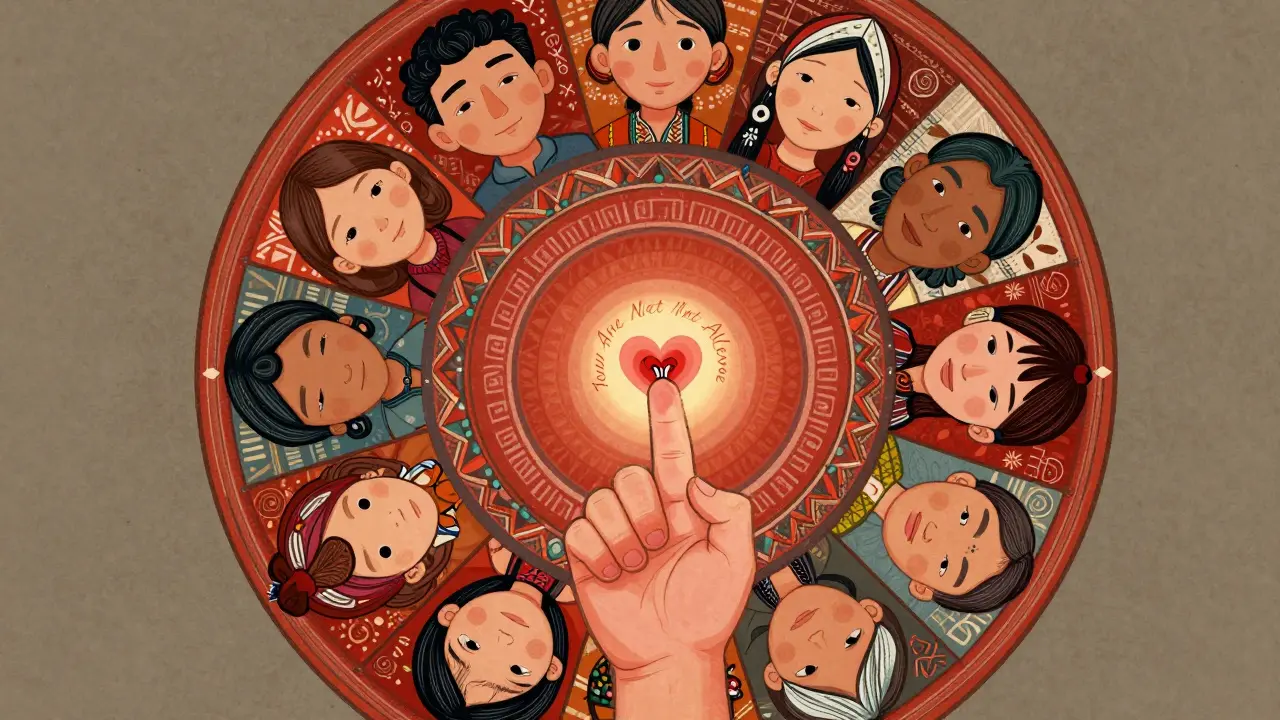
If you’re feeling numb, tearful, angry, or disconnected from your baby - speak up. Tell your doctor, your partner, a friend. Use the Edinburgh scale. Write down your symptoms. You don’t need to be “bad enough” to get help.
Ask for screening at your postpartum checkup. Only 22% of OB-GYNs routinely screen for depression, according to the Massachusetts Child Psychiatry Access Project. Push for it. Demand it.
Support systems matter. If you’re the partner, friend, or family member - don’t say, “You’ll be fine.” Say, “I’m here. Let me hold the baby while you sleep.” Or, “I’ll make dinner tonight.” Small actions reduce isolation.
There’s no shame in needing help. Healing isn’t linear. Some days will be harder than others. But with the right support, recovery is not just possible - it’s common.
Screening and Prevention
Massachusetts was the first state to require PPD screening at well-baby visits. More states are following. If your provider doesn’t screen you, ask why. You have the right to be checked.
For women with a history of depression, preventive treatment - like starting an SSRI right after birth - can cut the risk of PPD in half. Talk to your doctor before delivery if you’ve had depression before.
And remember: postpartum depression isn’t a failure. It’s a signal. Your body and mind are asking for help. Listening - and acting - is the bravest thing you can do.


