
Navigating the Rocky Road of Perimenopause
If you are feeling like your emotions have taken on a life of their own, you are likely not imagining things. For many women, midlife brings a specific set of challenges that differ sharply from typical stress or aging. We are talking about perimenopause, the transitional phase leading up to menopause defined clinically as the 12 consecutive months without a menstrual period. However, the journey begins long before that milestone. According to the American College of Obstetricians and Gynecologists, this phase typically starts between ages 40 and 44 and can last anywhere from four to eight years. During this time, hormonal changes begin as early as a woman’s mid-30s, creating a biological shift that impacts emotional well-being significantly.
The term “rocky road” was coined by Harvard Medical School to describe this period accurately. It is not just about irregular periods or night sweats. While physical symptoms dominate the conversation, approximately 85% of women experience some form of perimenopausal symptom. More critically, mood disturbances affect roughly 10% to 20% of women during this window. Understanding the biological roots of this instability is the first step toward reclaiming control. This isn’t just psychological fatigue; it is a neurochemical event driven by specific hormonal volatilities.
The Chemistry Behind the Emotions
To understand why your mood feels volatile, we need to look at the brain chemistry involved. Estrogen is often highlighted in discussions about women’s health, but its role in the central nervous system is profound. During perimenopause, estrogen levels do not simply decline steadily; they fluctuate wildly. Data from Ohio State University Wexner Medical Center documents that these levels can vary by as much as 50% to 60% during this phase before finally declining to postmenopausal lows.
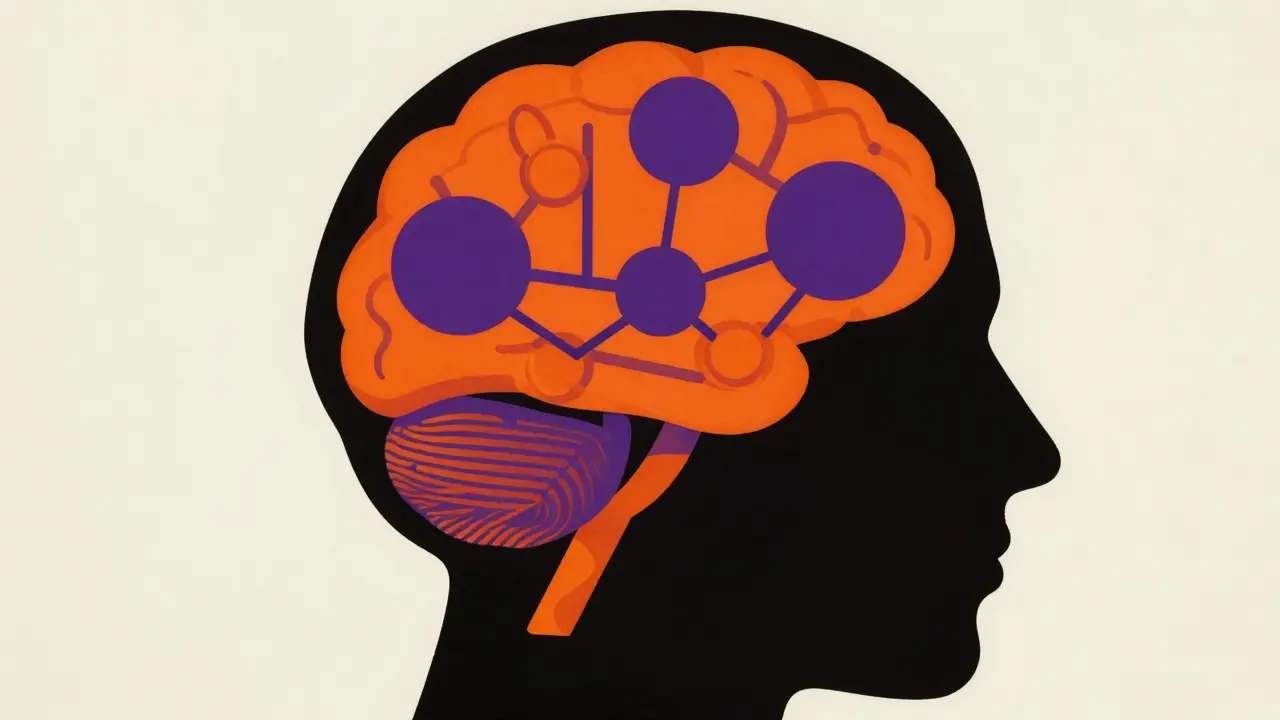
Why does this swing matter? Estrogen plays a crucial role in regulating serotonin and dopamine production. These are the neurotransmitters responsible for feelings of happiness, calm, and motivation. When estrogen drops unexpectedly, the brain receives less fuel for these chemicals. Furthermore, progesterone influences GABA, the primary inhibitory neurotransmitter that helps slow down nerve activity. The Cleveland Clinic notes that estrogen receptor density in the female brain is approximately 30% to 40% higher than in males. This biological fact explains why women are particularly vulnerable to hormonal mood shifts compared to their male counterparts. Essentially, your brain is wired to listen closely to these hormonal signals, making the turbulence feel amplified.
| Entity | Function | Change in Perimenopause |
|---|---|---|
| Estrogen | Regulates serotonin and dopamine | Fluctuates 50-60% before decline |
| Progesterone | Influences GABA production | Declines unpredictably |
| Testosterone | Affects energy and mood | Gradual decline |
Distinguishing Mood Disorders
It is vital to differentiate perimenopausal mood changes from other conditions like premenstrual dysphoric disorder (PMDD). Unlike PMDD, which follows a predictable 28-day cycle pattern, perimenopausal mood instability occurs erratically over years. The American Journal of Psychiatry published findings showing that women with perimenopausal depression have a 3.2 times higher likelihood of treatment resistance compared to those with non-hormonally triggered depression. This distinction matters because treating the wrong cause leads to ineffective results.
Furthermore, when comparing this to postpartum mood disorders, the timeline differs drastically. Postpartum issues develop rapidly over days or weeks after birth. In contrast, perimenopausal symptoms emerge gradually over months or years. Dr. Hadine Joffe, Professor of Psychiatry at Harvard Medical School, states that estrogen fluctuations directly impact the hypothalamic-pituitary-adrenal axis. This alters your stress response systems and emotional regulation mechanisms. It effectively rewires how your body handles daily pressure.
However, biology is not the entire story. Expert perspectives validate the biological basis while acknowledging multifactorial influences. Dr. Ellen Freeman from the University of Pennsylvania noted that not all mood changes are hormone-related; life stressors account for approximately 35% of mood symptoms in perimenopausal women. At age 40 or 50, you may be caring for aging parents, managing career pivots, or supporting teenagers. These pressures compound the biological fog, making isolation rare. A study by the North American Menopause Society specified that women with a history of depression are five times more likely to experience severe mood symptoms during this transition.
Treatment Landscapes and Efficacy
Managing these symptoms requires a tailored approach. There is no one-size-fits-all solution. Estrogen-based treatments, commonly referred to as Hormone Replacement Therapy or HRT, demonstrate high efficacy for physical symptoms but mixed results for pure mood stability. Clinical data indicates a 65% to 75% efficacy rate for vasomotor symptoms like hot flashes, but only 45% to 55% efficacy for mood symptoms alone. On the other hand, Selective Serotonin Reuptake Inhibitors (SSRIs) show 50% to 60% efficacy for mood symptoms but minimal impact on physical sensations like sweating or sleep disruption.
New developments are changing this equation. In June 2023, the FDA approved fezolinetant, a non-hormonal medication specifically designed to target neurosteroids in the brain. While primarily approved for vasomotor symptoms, early secondary data suggests mood benefits for many users. The North American Menopause Society released updated treatment guidelines in March 2023 recommending that women with moderate-to-severe mood symptoms start with low-dose estrogen therapy combined with SSRIs if needed, rather than relying on antidepressants alone. This combination strategy addresses both the root biological cause and the resulting chemical imbalance.
Hormone Replacement Therapy remains a cornerstone of treatment for many. Success stories frequently highlight significant improvement within three months of starting HRT. However, success rates depend heavily on timing. Dr. Mary Jane Minkin, a Clinical Professor at Yale School of Medicine, emphasizes that mood changes are real and biologically driven, not merely psychological. Yet, she warns against assuming every tear has a biological origin without ruling out environmental factors.

Tracking Symptoms and Finding Relief
Before initiating treatment, medical professionals recommend a systematic approach to understanding your unique pattern. ACOG clinical guidelines suggest women track symptoms for at least three menstrual cycles, roughly 90 days. This duration is necessary because the erratic nature of perimenopause means a two-week snapshot might miss the full picture. Digital symptom trackers like Wild AI have become popular tools, helping users identify triggers related to diet, sleep, or stress.
One common pitfall is misdiagnosis. A survey of patients found that 34% were initially diagnosed with clinical depression rather than perimenopause-related mood changes. This oversight often leads to frustration when standard antidepressants fail to address the underlying hormonal volatility. Finding a practitioner who specializes in menopause is critical. Currently, there are approximately 2,300 certified menopause practitioners in the US. Telehealth services specializing in perimenopausal mental health have grown by 210% since 2020, offering more access points for those in rural areas.
Long-Term Outlook and Prevention
Ignoring these symptoms carries risks beyond immediate discomfort. Long-term viability concerns focus on the potential for cognitive decline. Research indicates that perimenopausal women experience a 2.3% annual decline in gray matter volume versus 1.7% in age-matched men. This neuroprotective role of estrogen highlights why timely intervention matters. It is not just about comfort; it is about preserving brain function over decades.
Future predictions from the World Health Organization include personalized hormone therapy based on genetic testing, expected between 2026 and 2028. Until then, proactive screening is key. As of 2023, 54% of OB/GYNs now routinely screen for mood symptoms during perimenopause, up from 29% in 2018. If you are experiencing unexpected rage, irritability affecting relationships, or crying spells without clear triggers, seeking specialized care is the logical next step.
Can perimenopause cause sudden anger?
Yes, unexpected rage episodes are a documented symptom. Approximately 78% of posts on community forums describe anger triggered by minor stressors, linked directly to estrogen dropping and altering serotonin production.
Is Hormone Replacement Therapy safe for mood?
For most women under 60, HRT is considered safe and effective for vasomotor symptoms. However, efficacy for mood alone varies. Low-dose transdermal estrogen is often preferred for minimizing clotting risks while stabilizing mood.
How do I know if my sadness is hormonal or depression?
Timing is the main clue. Hormonal moods correlate with physical symptom flares. Persistent low mood unrelated to physical symptoms or life events may indicate clinical depression, requiring psychiatric evaluation.
Are there natural alternatives to HRT?
Cognitive behavioral therapy and lifestyle changes can help, with some apps reducing symptoms by 35%. Gut microbiome interventions targeting estrogen metabolism are currently in Phase 2 trials as future non-pharmaceutical options.
When should I see a specialist?
If mood symptoms last more than six months or severely impact work and relationships, seek a certified menopause practitioner immediately. Waiting until symptoms are severe often delays effective relief.


