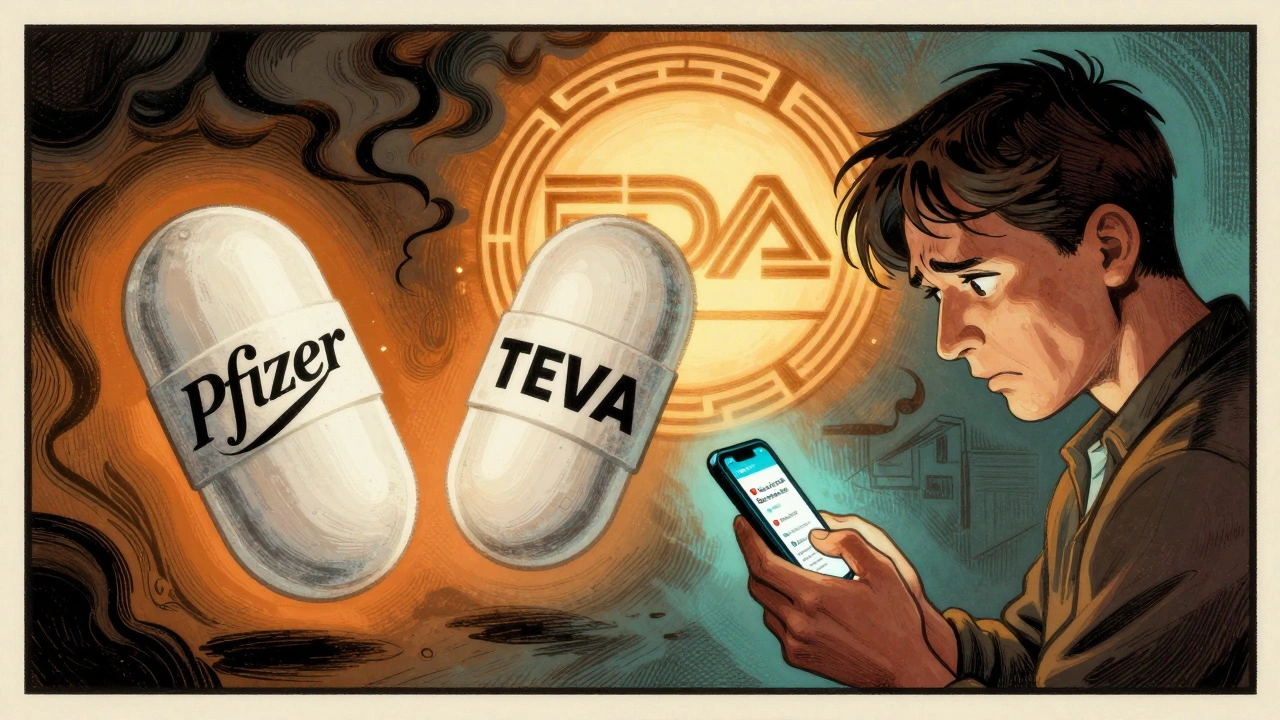
When you pick up a prescription, you might not think twice about whether it’s the brand name or the generic version. After all, the FDA says they’re the same. But if you’ve ever read a review on Reddit or PatientsLikeMe saying, "My generic Lyrica didn’t work like the brand," you start to wonder. Why do so many people feel like generics are inferior-even when science says otherwise?
The Gap Between Science and Perception
Generic drugs make up about 90% of all prescriptions filled in the U.S. They’re cheaper-often 80% to 85% less than brand-name versions-and they contain the exact same active ingredients. The FDA requires them to meet strict bioequivalence standards: their absorption in the body must fall within 80% to 125% of the brand’s levels. For most drugs, that’s close enough to work the same. But here’s the problem: patient experiences don’t always line up with that data. A 2015 review of 52 studies found that 35.6% of regular people believed generics were less effective. Only 23.6% of pharmacists thought the same. That’s a huge gap. And it’s not just about ignorance. People are reacting to real feelings-sometimes even real symptoms-that they link to switching medications.Why Do People Think Generics Don’t Work?
It’s not just about the pill. It’s about the packaging, the color, the size, the brand name on the bottle. When your doctor switches you from a white oval pill labeled "Pfizer" to a blue round one labeled "TEVA," your brain notices. And if you’ve had a bad experience before-or heard someone say they did-it’s easy to blame the new pill. One study gave patients identical tramadol pills, but labeled one as "brand" and the other as "generic." The group that thought they were taking the brand name reported less pain, took fewer extra pills, and were more likely to finish their course. The pills were the same. But the belief made the difference. Online reviews amplify this. On Reddit’s r/pharmacy and r/chronicpain, thousands of posts talk about generics "not working." Common themes: "My nerve pain came back," "I felt sick after the switch," "It just doesn’t feel right." These aren’t random complaints. They’re shared, repeated, and often go viral in patient communities. Meanwhile, positive experiences-"Saved $2,000 a year with zero side effects"-get buried under louder, more emotional stories.Who Influences What You Believe?
Your doctor and pharmacist matter more than you think. A 2020 study found that 69.8% of patients were more likely to accept generics if their provider recommended them. But here’s the catch: many providers don’t talk about it. The average doctor spends just 1.7 minutes discussing medication during a visit. That’s not enough to explain bioequivalence, address fears, or reassure someone who’s anxious about their health. Pharmacists, on the other hand, have more time. And when they take even 90 seconds to explain that generics are held to the same FDA standards, patient acceptance jumps by nearly 40%. One pharmacy chain in Oregon started handing out simple one-page fact sheets about generics. Within six months, patient questions dropped by over half, and adherence to prescriptions rose by almost 20%.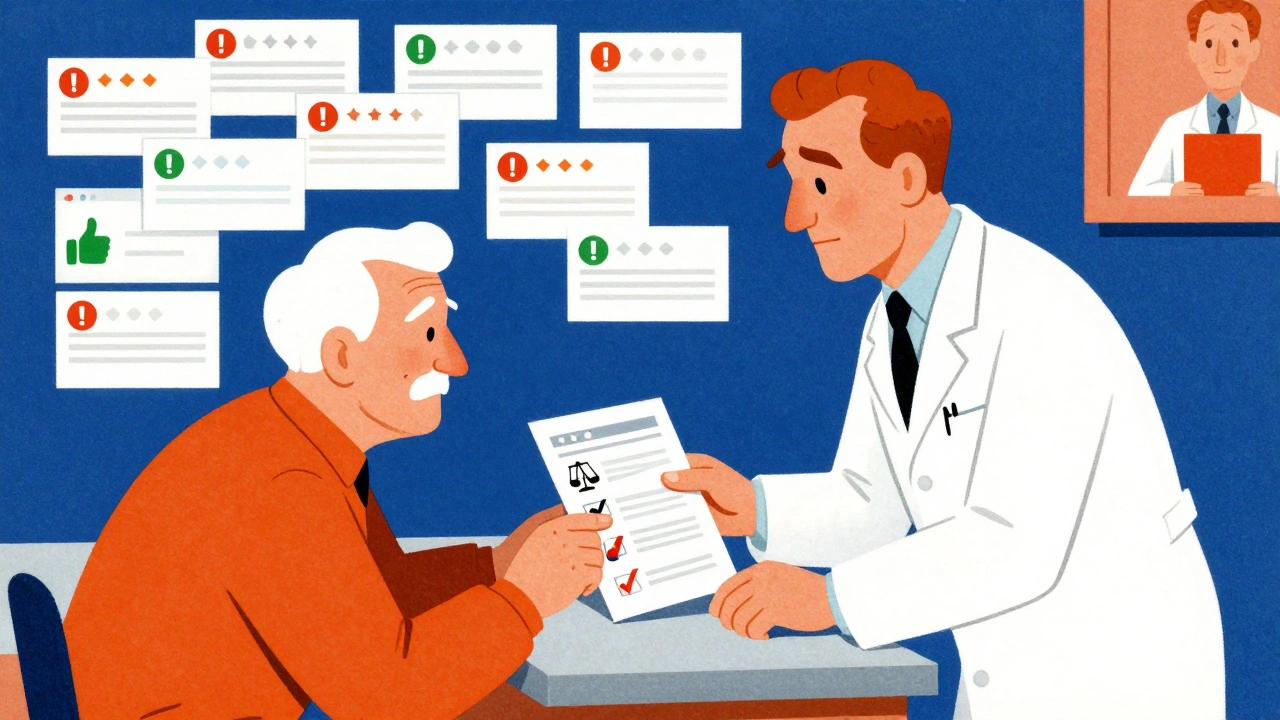
Generics Aren’t All the Same
It’s true: for most drugs, generics are interchangeable. But not all drugs are created equal. For medications with a narrow therapeutic index-like warfarin, levothyroxine, or phenytoin-small changes in how the body absorbs the drug can matter. That’s why some patients report feeling different after switching. It’s rare, but it happens. That doesn’t mean generics are bad. It means some people need personalized care. The key is communication. If your doctor knows you’ve had a reaction before, they might stick with the brand-or try a different generic manufacturer. Some patients respond better to one company’s version than another, even if both are FDA-approved. That’s not a flaw in the system. It’s a reminder that medicine isn’t one-size-fits-all.What’s Being Done to Fix This?
The FDA is spending $15.7 million on a new public education campaign called "Generics: Same Medicine, Lower Cost." Early results show a 22% boost in consumer confidence after just six months. That’s progress. Tech is helping too. Machine learning models now predict which patients are most likely to reject generics based on age, income, education, and past behavior. Hospitals are using this to target outreach. Older adults, for example, are far less likely to trust generics than younger people. A 2020 study found only 41.7% of patients over 65 believed generics were as effective, compared to 68.2% of those under 35. Some pharmaceutical companies are even selling "authorized generics"-the exact same drug as the brand, just without the logo. These are made by the brand-name company but sold under a generic label. Sales of authorized generics grew 37.6% in 2023. Why? Because they ease the psychological switch. Patients get the same pill, same packaging, same confidence-just at a lower price.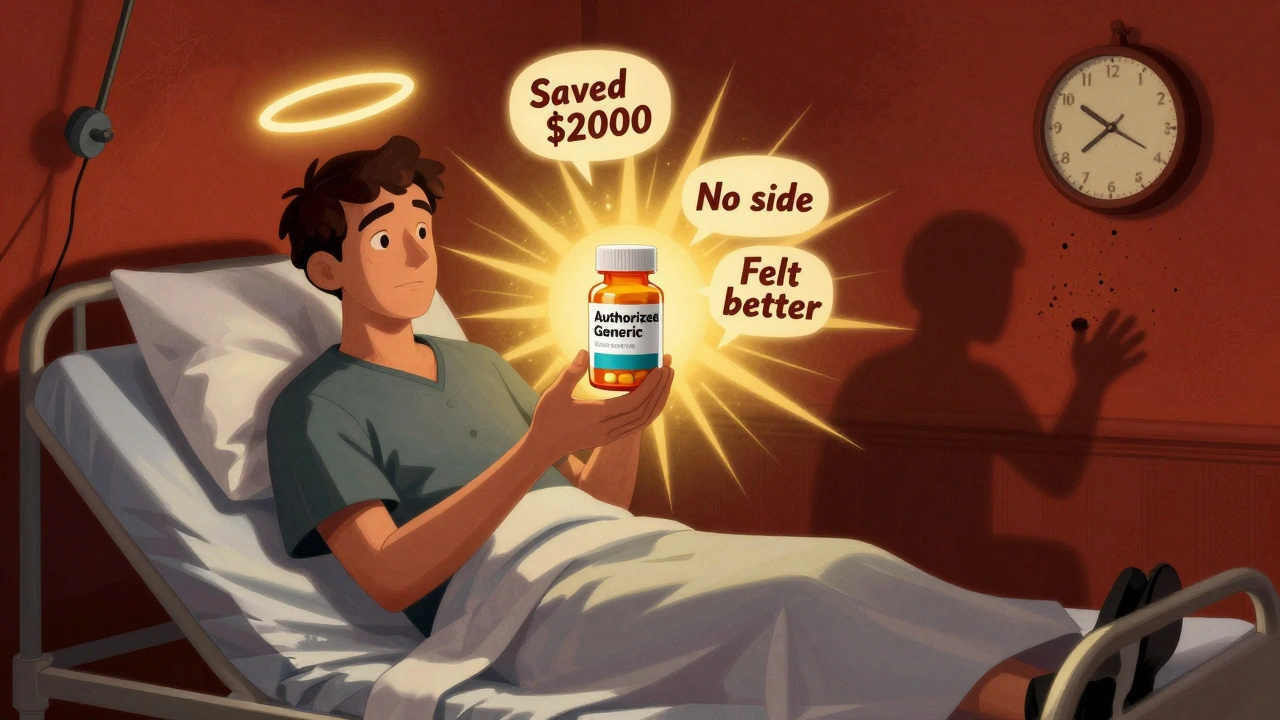
What Should You Do?
If you’re switching to a generic and feel off:- Don’t assume it’s the drug. Give it two to four weeks. Your body needs time to adjust.
- Track your symptoms. Write down when you feel better or worse. This helps your doctor decide what’s really happening.
- Ask your pharmacist. They can tell you which manufacturer made your pill and whether others have reported similar issues.
- Don’t stop taking it without talking to your provider. Stopping abruptly can be dangerous.
The Real Cost of Doubt
When people don’t trust generics, they pay more. They skip doses. They go back to expensive brand-name drugs. The U.S. healthcare system loses an estimated $14.3 billion every year because of this gap in trust. It’s not just money. It’s health. People with high blood pressure, diabetes, or depression who don’t take their meds because they think the generic won’t work are putting themselves at risk. The science says generics work. The data says they save lives. But belief is powerful-and sometimes, it’s the only thing standing between a patient and better health.Are generic medications really as effective as brand-name drugs?
Yes. The FDA requires generics to have the same active ingredients, strength, dosage form, and route of administration as the brand-name version. They must also meet strict bioequivalence standards, meaning they deliver the same amount of medicine into your bloodstream at the same rate. For over 90% of prescriptions, generics work just as well.
Why do some people feel worse after switching to a generic?
Sometimes, it’s the nocebo effect-when expecting a negative outcome causes real symptoms. Other times, it’s because the inactive ingredients (like fillers or dyes) differ, which can affect how quickly the drug is absorbed in sensitive individuals. For drugs with a narrow therapeutic index-like thyroid meds or blood thinners-even small changes can matter. Always talk to your doctor before switching or stopping.
Can online reviews be trusted when deciding whether to take a generic?
Online reviews reflect personal experiences, not scientific evidence. While they can highlight real issues-like side effects from inactive ingredients-they often lack context. A single bad experience doesn’t mean the drug doesn’t work for everyone. Look for patterns, but always confirm with your provider before making changes.
Do pharmacists recommend generics because they’re cheaper, or because they’re better?
Pharmacists recommend generics because they’re proven to be equally effective and safe. Cost savings are a benefit, but not the reason. Most pharmacists know the science and understand that for most patients, generics are the best choice. When they explain this clearly, patient acceptance increases dramatically.
What’s an "authorized generic," and should I consider it?
An authorized generic is made by the original brand-name company but sold without the brand name or logo. It’s identical to the brand in every way-same ingredients, same manufacturer, same packaging. It’s often cheaper than the brand and can help ease anxiety for patients who distrust generics. Ask your pharmacist if one is available for your medication.
How can I tell if my generic is working?
Track your symptoms over time. Note when you started the generic, how you felt before, and any changes after. For chronic conditions like depression or high blood pressure, improvements may take weeks. If you notice a sudden drop in effectiveness or new side effects, contact your doctor. Don’t assume it’s the generic-other factors like stress, diet, or other medications could be involved.


