Sleep Aid Safety Calculator
Based on your assessment, these alternatives may be safer for you:
Melatonin
2-5 mg, 30-60 minutes before bed
Low riskCBT-I (Cognitive Behavioral Therapy)
Structured program for long-term sleep improvement
Excellent risk profileNon-sedating antihistamines
For daytime allergy relief only
Low riskNote: Consult your doctor before starting any new sleep regimen.
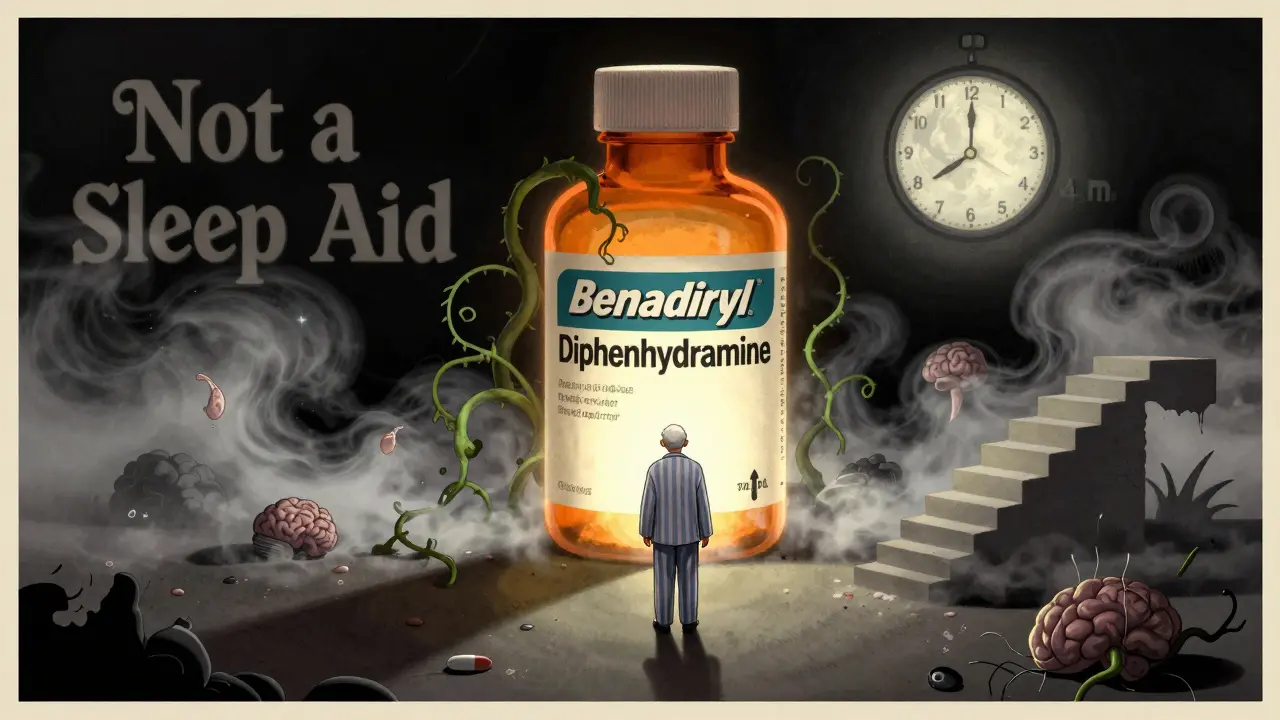
Every year, millions of Americans reach for a bottle of Benadryl, ZzzQuil, or Unisom not because they have allergies, but because they can’t fall asleep. It’s easy to see why. These products promise quick relief: take one pill, feel drowsy in an hour, and sleep through the night. But what most people don’t realize is that diphenhydramine - the active ingredient in all of them - isn’t really a sleep aid at all. It’s a sedative with serious side effects that get worse over time, especially for people over 50. And yet, it’s still one of the most popular OTC sleep solutions in the U.S.
How Diphenhydramine Really Works
Diphenhydramine was originally developed in the 1940s as an antihistamine to treat allergies. Its sleep-inducing effect was an accident - a side effect so strong that drugmakers quickly repackaged it as a nighttime remedy. The science is simple: it blocks histamine, a brain chemical that keeps you alert. But it doesn’t stop there. It also blocks acetylcholine, another key neurotransmitter involved in memory, focus, and muscle control. That’s why you feel sleepy - but also why you might feel foggy the next day, or even confused.
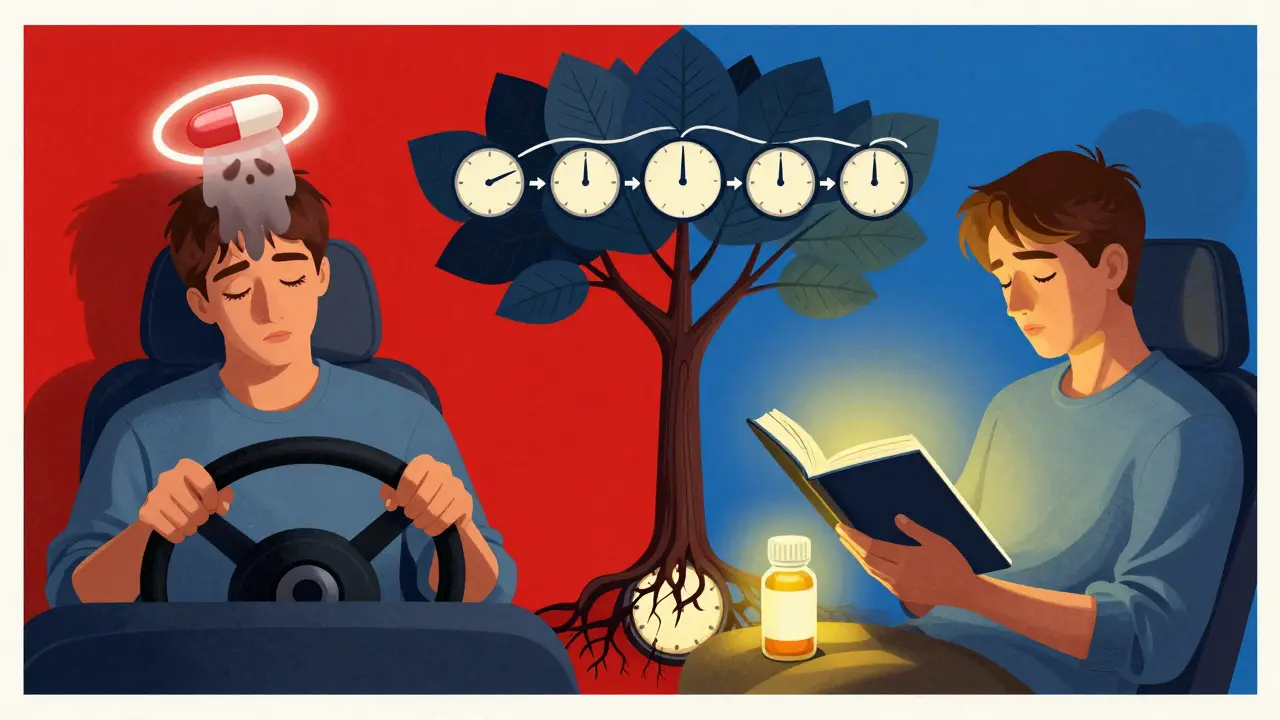
When you take a 50 mg dose (the standard OTC sleep dose), it hits your bloodstream fast. Peak levels hit in about 90 minutes. But here’s the catch: your body doesn’t clear it quickly. In young adults, the half-life is around 6-8 hours. In people over 65? It can linger for 18 hours or more. That means if you take it at 10 p.m., you could still have enough in your system at 4 p.m. the next day to slow your reaction time, blur your vision, or make you stumble on the stairs.
The Hidden Dangers
Most users think the worst side effect is just grogginess. But the risks go deeper. A 2024 study from Johns Hopkins tracked over 3,000 adults aged 65+ for seven years. Those who regularly took diphenhydramine - even just a few times a week - had a 54% higher chance of developing dementia. That’s not a small risk. That’s a major one.
And it’s not just memory. The drug can trigger urinary retention, especially in men with prostate issues. One 2022 study found that 8.2% of men over 65 who used diphenhydramine had trouble urinating - a problem that can lead to infections or even kidney damage if ignored. For people with glaucoma, it can spike eye pressure and cause sudden vision loss. And for those with heart conditions, it can cause a racing heartbeat or irregular rhythm.
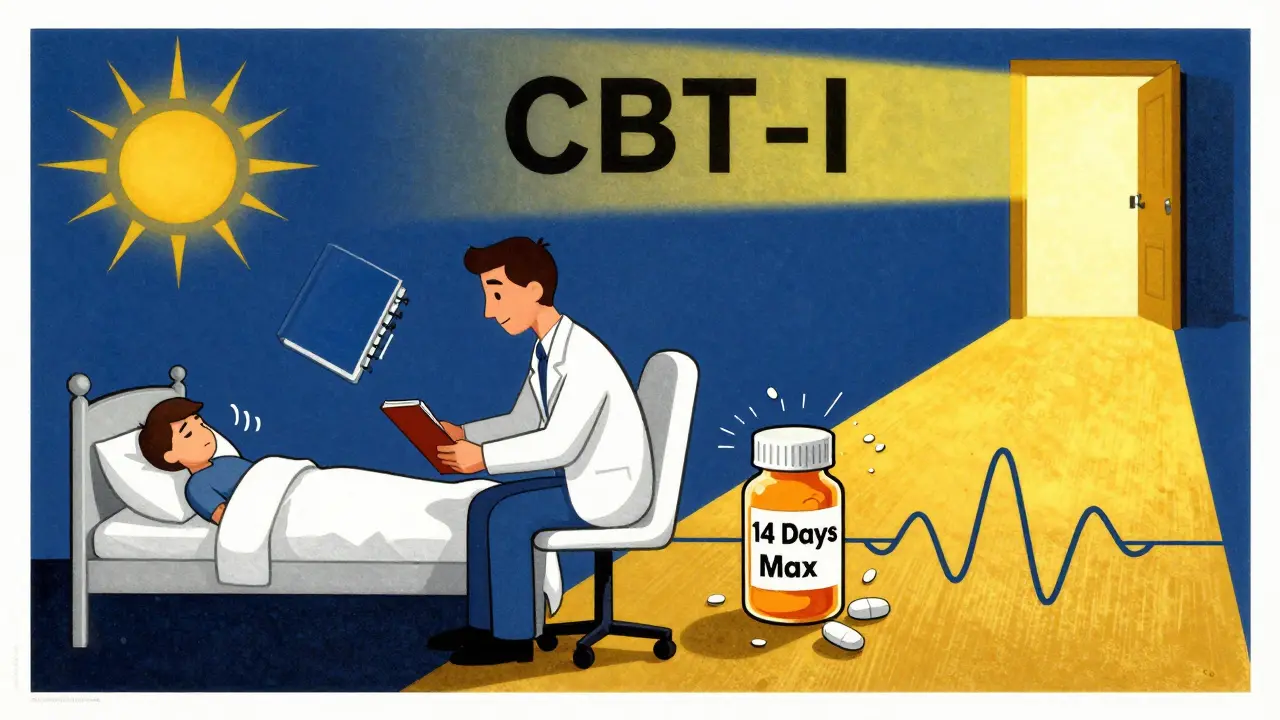
Even worse, it doesn’t work well long-term. A University of Michigan study showed that 68% of users reported it stopped helping after just seven days. That’s tolerance. Your brain adapts. So you take more. Or you take it more often. The FDA says diphenhydramine should only be used for up to 14 days. But a 2022 study found 73% of users kept taking it beyond that - some for months or years.
Who’s Most at Risk?
You might think, “I’m young and healthy. This won’t happen to me.” But the data says otherwise. While younger adults are more likely to use it occasionally and report it works, they’re not immune. A 2021 study found that 68% of users - regardless of age - felt mentally sluggish the next day. That’s not just annoying. It’s dangerous. Driving, operating machinery, or even walking down a dark hallway becomes riskier.
And older adults? They’re the most vulnerable. The FDA, the American Academy of Sleep Medicine, and the European Medicines Agency all agree: diphenhydramine is not safe for long-term use in people over 65. Yet, nearly 1 in 5 adults in that age group still use it. Why? Because they’ve been told it’s “natural,” “safe,” or “just like Benadryl.” It’s not. It’s a powerful drug with serious consequences.
What About Other OTC Sleep Aids?
Not all OTC sleep aids are created equal. Another common option is doxylamine (found in Unisom SleepTabs). It’s similar to diphenhydramine - just a bit longer-lasting. That means even more next-day grogginess and a higher risk of side effects. It’s not a better choice.
Then there’s melatonin. It’s not a sedative. It’s a hormone your body naturally makes to signal bedtime. Taking a 2-5 mg dose 30-60 minutes before bed can help reset your internal clock - especially if you’re jet-lagged, working nights, or have delayed sleep phase. A 2023 meta-analysis found it helped people fall asleep 7-10 minutes faster on average. And unlike diphenhydramine, it doesn’t cause next-day fog, memory issues, or urinary problems. It’s not a magic bullet, but it’s far safer.
The Real Solution: CBT-I
Here’s the truth no pill can fix: insomnia isn’t caused by a chemical imbalance. It’s caused by habits. Stress. Anxiety. Poor sleep routines. Too much screen time. Irregular bedtimes. That’s why drugs like diphenhydramine only work temporarily - they mask the problem, not fix it.
The most effective long-term fix is Cognitive Behavioral Therapy for Insomnia, or CBT-I. It’s not a pill. It’s a structured program - usually 4-6 sessions with a trained therapist - that teaches you how to retrain your brain to sleep naturally. Studies show it works for 70-80% of people. And the benefits last. Unlike pills, which lose effectiveness, CBT-I improves sleep for years after treatment ends.
It’s not always easy to find. But many insurance plans now cover it. Online programs like Sleepio and CBT-I Coach are also proven effective. And unlike diphenhydramine, it has zero side effects.
Safer Alternatives at a Glance
| Option | How It Works | Next-Day Drowsiness | Long-Term Safety | Best For |
|---|---|---|---|---|
| Diphenhydramine | Blocks histamine and acetylcholine in the brain | Very high (68% report impairment) | Poor - linked to dementia, urinary issues, falls | None - not recommended |
| Doxylamine | Similar to diphenhydramine, longer half-life | Very high | Poor - similar risks | None - not recommended |
| Melatonin | Mimics natural sleep hormone | Low (under 10%) | Good - no known long-term harm | Jet lag, shift work, circadian rhythm issues |
| Cognitive Behavioral Therapy for Insomnia (CBT-I) | Changes sleep habits and thought patterns | None | Excellent - lasting results | Chronic insomnia, long-term improvement |
| Fexofenadine (Allegra) | Non-sedating antihistamine | None | Excellent | Daytime allergy relief - not for sleep |
What Should You Do Instead?
If you’re using diphenhydramine right now, don’t stop cold turkey. Talk to your doctor. If you’ve been using it for more than a couple of weeks, your body may have adapted. Suddenly quitting could cause rebound insomnia.
Here’s a practical plan:
- Start tracking your sleep. Use a simple journal or app. Note when you go to bed, how long it takes to fall asleep, and how you feel in the morning.
- Reduce screen time an hour before bed. Blue light suppresses melatonin. Try reading a book instead.
- Go to bed and wake up at the same time every day - even on weekends.
- Try melatonin. Start with 1-2 mg, 30 minutes before bed. Don’t take more than 5 mg.
- If you still struggle, ask your doctor about CBT-I. Many primary care providers can refer you.
And if you’re over 65? Stop using diphenhydramine. Period. There’s no safe dose for long-term use. The dementia risk is real. The falls are real. The confusion is real. And there are better options.
Final Thoughts
Diphenhydramine isn’t the villain. It’s a symptom of a bigger problem: we want a quick fix for sleep. But sleep isn’t a button you press. It’s a process. And trying to force it with a drug that clouds your mind, slows your reflexes, and increases your risk of dementia isn’t a solution - it’s a trade-off.
The real answer isn’t in a pill bottle. It’s in your routine. Your habits. Your environment. And if you need help, it’s out there - in therapy, in melatonin, in better sleep hygiene. You don’t need to suffer. You just need to stop reaching for the wrong thing.
Is diphenhydramine addictive?
Diphenhydramine isn’t addictive in the way drugs like benzodiazepines are - you won’t have cravings or withdrawal symptoms. But your body builds tolerance quickly. After a week or two, it stops working as well, so you might take more or use it more often. That’s not addiction, but it is dependence. And it can lead to long-term health risks.
Can I take diphenhydramine with alcohol?
Never. Mixing diphenhydramine and alcohol doubles the sedative effect. It can lead to extreme drowsiness, slowed breathing, or even loss of consciousness. The FDA explicitly warns against this combination. Many ER visits each year involve this dangerous mix.
Why is diphenhydramine still sold if it’s so risky?
It’s still approved because it works - for a few nights. The FDA classifies it as "Generally Recognized As Safe and Effective" for short-term, occasional use. The problem isn’t that it’s dangerous in one dose - it’s that people use it for months or years without knowing the risks. Manufacturers aren’t required to stop selling it, but medical experts strongly advise against it for anyone over 50 or with chronic sleep issues.
Is melatonin safe for long-term use?
Yes. Unlike diphenhydramine, melatonin doesn’t affect brain chemistry in a way that causes tolerance, memory loss, or falls. Studies have tracked long-term use for over 5 years with no major safety concerns. It’s not a cure-all, but it’s the safest OTC option for occasional sleep trouble.
What if CBT-I doesn’t work for me?
CBT-I works for most people - but not everyone. If it doesn’t help after 6-8 weeks, talk to a sleep specialist. Prescription options like zolpidem (Ambien) or trazodone may be considered for short-term use under medical supervision. But they’re not long-term solutions either. The goal is always to find the root cause - not just mask it with pills.


