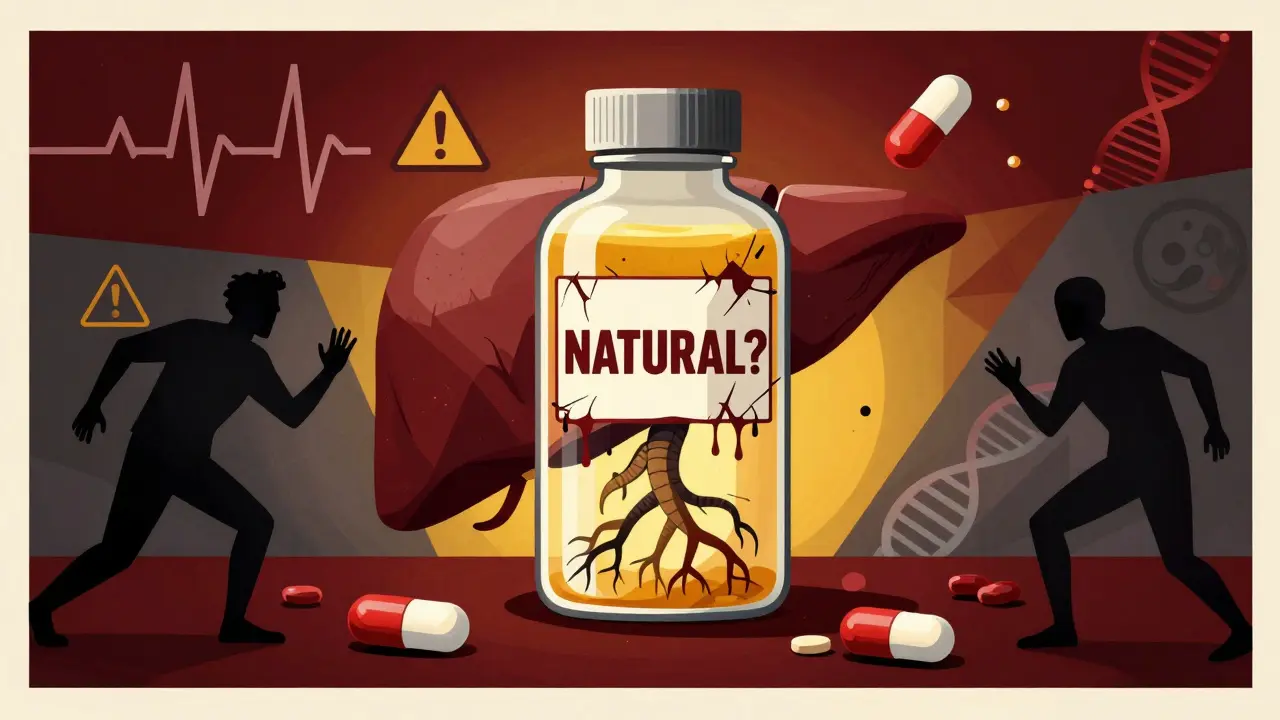
People turn to natural remedies and supplements hoping to ease side effects from medications, manage chronic conditions, or simply feel better without drugs. But here’s the problem: just because something is labeled "natural" doesn’t mean it’s safe-or even effective. In fact, many of these products carry serious risks that most users never consider. The truth is, herbal supplements aren’t harmless teas or gentle vitamins. They’re powerful substances that can interact with your medications, damage your liver, or trigger dangerous reactions-even at low doses.
Why "Natural" Doesn’t Mean Safe
The idea that natural equals safe is one of the biggest myths in health. It’s pushed by marketing, social media, and even well-meaning friends. But science says otherwise. The National Center for Complementary and Integrative Health found that nearly one in four U.S. adults used herbal products in 2012, and usage has only gone up since. Yet, the same agency and others like the Food and Drug Administration (FDA) have documented thousands of adverse events tied to these products.
Take Ephedra, once popular for weight loss and energy. Between 1995 and 1999, the FDA received over 800 reports of serious side effects-including heart attacks, strokes, and deaths-many in people under 40. The FDA banned it in 2004, but similar products still appear under new names. Even small doses, as low as 1-5 mg, have caused life-threatening reactions. The Association of Food and Drug Officials warned back in 1999: setting a "safe" dose might give people false confidence. There may not be one.
Another myth? That herbs are pure. Many supplements are contaminated with heavy metals like lead or arsenic, or adulterated with prescription drugs. A 2015 analysis in PMC found that some herbal products contained hidden steroids, blood thinners, or even banned pharmaceuticals. One study showed that only 13% of suspected herbal-related liver injuries could be definitively linked to the herb itself-most were caused by contaminants or mislabeled ingredients.
Herbs That Can Hurt Your Liver
The liver is your body’s main filter for toxins-and it’s the organ most at risk from herbal supplements. The Nature journal reported that liver damage from herbal remedies affects 1-5 people per 10,000 users, mostly women over 50. One common culprit: syo-saiko-to, a Japanese herbal formula containing Scutellaria root. In Japan, it caused interstitial pneumonia in 1 out of every 25,000 users.
Black cohosh, often used for hot flashes, has been linked to rare cases of liver injury. The Cleveland Clinic says the damage might not even come from the herb itself, but from contaminants or poor manufacturing. Still, they advise caution, especially for people with existing liver problems. The Natural Medicines Database only rates specific, branded versions like Remifemin® as "possibly effective," meaning most other black cohosh products on the shelf have no proven benefit-and carry the same risks.
Other herbs tied to liver stress include kava, comfrey, and green tea extract (especially in high-dose capsules). The Drug-Induced Liver Injury Network found that herbal products were responsible for nearly 20% of all drug-related liver injuries between 2004 and 2013. Many of these cases were preventable-if people had known the risks.
Herbs That Interfere With Medications
One of the most dangerous blind spots is how herbs interact with prescription drugs. These aren’t theoretical risks-they happen every day.
St. John’s wort, often taken for mild depression, can drop the effectiveness of birth control pills by 15-24%, according to a 2000 study in Clinical Pharmacology & Therapeutics. It also reduces levels of antidepressants, HIV meds, and even some cancer drugs by triggering liver enzymes that break them down too fast. People on these medications have ended up pregnant, depressed, or with uncontrolled illness-all because they didn’t realize St. John’s wort was interfering.
Ginkgo biloba and cranberry can increase bleeding risk when taken with blood thinners like warfarin or aspirin. A single case study in the Journal of the American College of Cardiology described a man who developed a brain hemorrhage after combining Ginkgo with daily aspirin. He had no idea they could interact.
Liquorice root, found in 75% of Japanese herbal formulas, can cause pseudohyperaldosteronism-a condition that leads to high blood pressure, low potassium, swelling, and even seizures. The NHS says up to 3% of people who consume it regularly develop this. And it’s not just in supplements-it’s in teas, candies, and herbal tonics.
Even something as simple as echinacea can be risky. If you have an autoimmune disease like lupus or multiple sclerosis, or if you’re allergic to ragweed, daisies, or chrysanthemums, echinacea can trigger flare-ups or severe allergic reactions. Yet, most labels don’t warn you.
Who’s at Highest Risk?
Not everyone reacts the same way. Some groups are far more vulnerable.
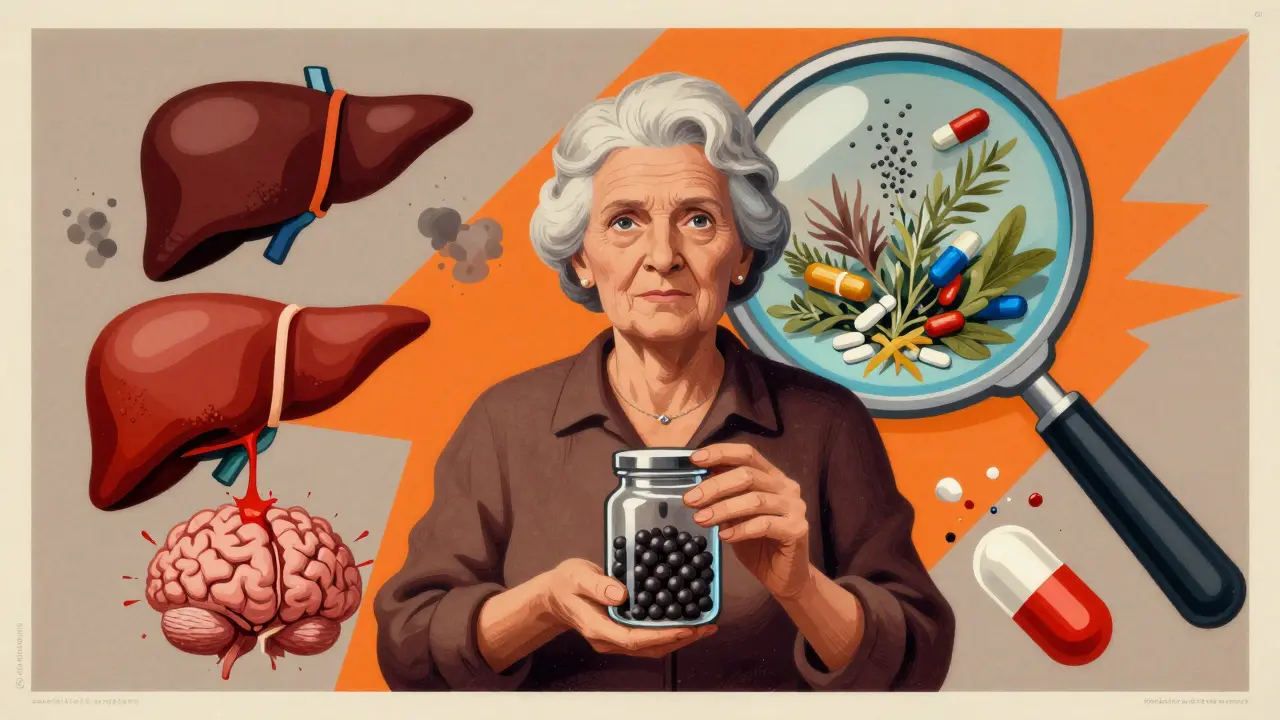
Older adults are at greater risk because their bodies clear herbs more slowly. A JAMA review found that elimination of herbal compounds decreases with age, leading to higher concentrations in the bloodstream. That means even a "safe" dose can become toxic over time.
People on multiple medications are also at high risk. The more drugs you take, the more chances there are for an interaction. A 2023 Reddit thread in r/Pharmacy documented over 40 cases where users mixed herbal supplements with prescriptions-nearly all resulted in unexpected side effects.
Women over 50 are disproportionately affected by liver damage from herbs, likely due to hormonal changes and slower metabolism. And pregnant or breastfeeding women should avoid nearly all herbal supplements unless approved by a doctor. Many herbs cross the placenta or enter breast milk, and we simply don’t have enough safety data.
What Actually Works? Evidence-Based Options
That doesn’t mean all natural remedies are useless. Some have solid evidence-but only for specific uses and under the right conditions.
Peppermint oil (in enteric-coated capsules) is proven to help with IBS symptoms like bloating and cramping. A 2019 Cochrane review of 12 trials found it was significantly more effective than placebo. But raw peppermint tea? Not the same. The capsule form delivers the active compound directly to the intestines.
Ginger has strong evidence for reducing nausea from chemotherapy, pregnancy, and motion sickness. The Mayo Clinic says 1-1.5 grams daily is generally safe and effective. But if you’re on blood thinners, talk to your doctor first-ginger can also thin the blood.
Acupuncture isn’t a supplement, but it’s a natural therapy with growing evidence. The National Institutes of Health recognizes it as helpful for chronic pain, including back pain, osteoarthritis, and headaches. It’s not a cure, but it can reduce reliance on painkillers.
Probiotics (specific strains like Lactobacillus rhamnosus GG) help prevent antibiotic-associated diarrhea. A 2020 meta-analysis found they cut the risk by 42%. But not all probiotics are equal. You need the right strain, dose, and product quality.
How to Use Supplements Safely
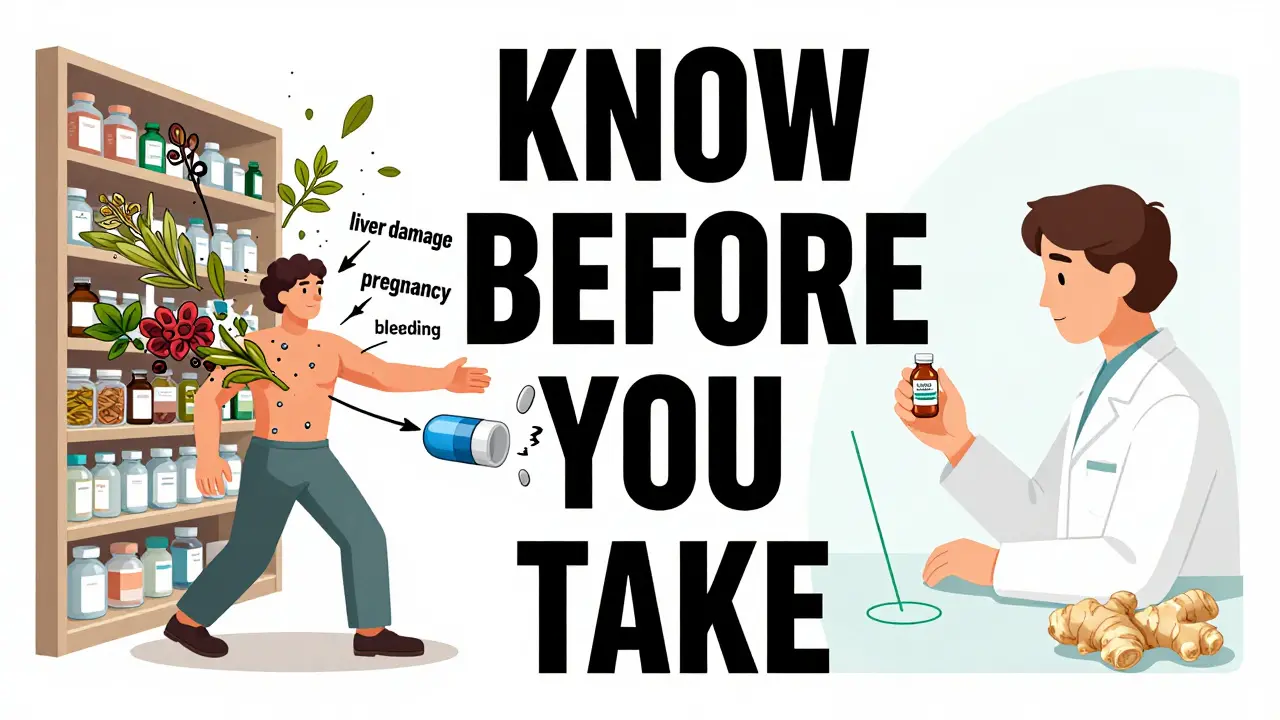
If you’re going to use a natural remedy, follow these steps:
- Check with your doctor or pharmacist first. Tell them every supplement you take-even if you think it’s harmless. Many don’t ask, but you should volunteer the info.
- Look for third-party testing. Choose products with seals from USP, NSF, or ConsumerLab. These organizations test for purity, potency, and contamination.
- Start low and go slow. Don’t jump to the highest dose. See how your body reacts over a few days.
- Watch for new symptoms. If you get a rash, headache, nausea, or unusual fatigue after starting a new supplement, stop it. It might be the cause.
- Report bad reactions. Use the FDA’s Safety Reporting Portal (safetyreporting.hhs.gov). Your report helps others stay safe.
The Bigger Picture: Why Regulation Falls Short
The U.S. lets herbal supplements be sold without proving they’re safe or effective. That’s thanks to the Dietary Supplement Health and Education Act (DSHEA) of 1994. Unlike prescription drugs, supplements don’t need FDA approval before hitting shelves. The agency can only act after harm is done.
In contrast, the European Medicines Agency requires herbal products to prove traditional use and safety before being approved. That’s why you’ll see fewer dangerous products on shelves in Europe.
Progress is slow, but improving. Scientists are now using DNA barcoding to detect fake or substituted herbs. The Botanical Adulterants Prevention Program has already caught dozens of contaminated products. More rigorous monitoring systems, like those used by the Uppsala Monitoring Centre, are being proposed to track herbal side effects globally.
For now, the burden is on you. Don’t assume safety. Don’t trust marketing. And don’t let the word "natural" fool you.
Final Thought: Knowledge Is Your Best Defense
Natural remedies can help-but only if you use them wisely. The same herbs that ease one person’s symptoms can harm another. The difference isn’t luck. It’s awareness. You have the right to feel better. But you also have the right to stay safe. Ask questions. Do your research. And never, ever take a supplement without talking to someone who understands how it interacts with your body and your meds.
Are natural supplements safer than prescription drugs?
No. Natural supplements aren’t inherently safer. Many carry serious risks-including liver damage, dangerous interactions with medications, and life-threatening reactions. Unlike prescription drugs, they don’t undergo rigorous safety testing before being sold. The FDA only steps in after harm occurs, which means people are often the first to discover the risks.
Can herbal supplements cause liver damage?
Yes. Several herbs, including black cohosh, kava, green tea extract, and certain Chinese herbal formulas, have been linked to liver injury. The National Institutes of Health reports that herbal products cause nearly 20% of all drug-induced liver injuries in the U.S. Many cases are due to contamination or misidentification, but even pure herbs can be toxic at high doses or with long-term use.
Does St. John’s wort really interfere with birth control?
Yes. Research shows St. John’s wort can reduce the effectiveness of birth control pills by 15-24%, increasing the risk of unintended pregnancy. It also reduces levels of antidepressants, HIV medications, and some cancer drugs by speeding up how fast the liver breaks them down. Even if you’ve taken it before without issues, your body’s response can change over time.
What should I look for on a supplement label?
Look for third-party testing seals like USP, NSF, or ConsumerLab. These mean the product was tested for purity, potency, and contamination. Avoid products with vague ingredient lists, proprietary blends (which hide exact doses), or claims like "miracle cure" or "100% natural and safe." Also check the manufacturer’s contact info-reputable brands provide it.
Can I take supplements if I’m on multiple medications?
It’s risky. The more medications you take, the higher your chance of a harmful interaction. Herbs like Ginkgo, cranberry, and garlic can increase bleeding risk with blood thinners. Others, like St. John’s wort, can make your meds less effective. Always talk to your pharmacist before starting any supplement-they’re trained to spot interactions.
Are there any natural remedies proven to help with chemo side effects?
Yes. Ginger is well-supported for reducing nausea from chemotherapy. Peppermint oil (in enteric-coated capsules) helps with digestive discomfort. Acupuncture has been shown to ease pain and fatigue in cancer patients. But always check with your oncologist first-some herbs can interfere with treatment or worsen side effects.
Why do some people say supplements helped them while others got sick?
Because everyone’s body is different. Genetics, age, existing health conditions, medications, and even gut bacteria affect how you respond. One person might tolerate black cohosh fine, while another develops liver damage. Contamination and product quality also vary wildly between brands. What works for one person might be dangerous for you.


