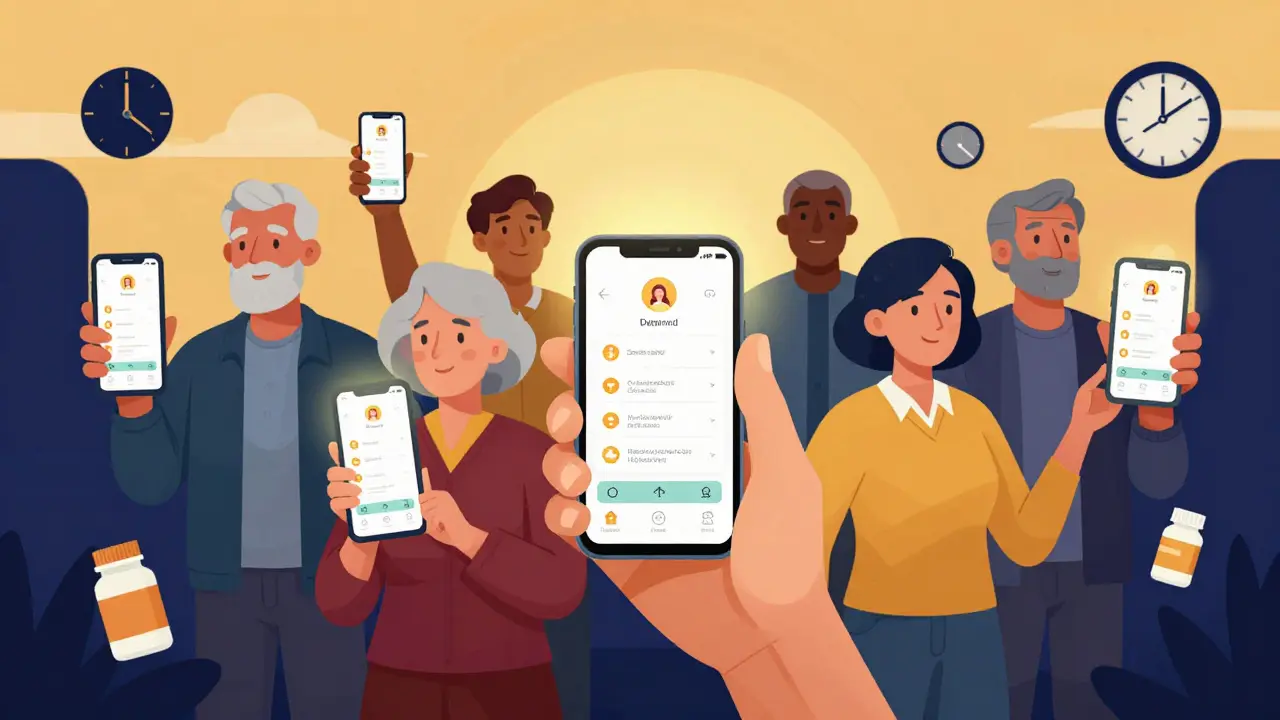
Almost half of all people taking medicine for chronic conditions like high blood pressure, diabetes, or cholesterol miss doses at least sometimes. That’s not laziness-it’s human. Life gets busy. Side effects happen. Pills get lost in the shuffle. But missing doses isn’t just inconvenient-it can land you in the hospital, raise your medical bills, or even shorten your life. The good news? Medication adherence apps are now proven to help. Not just a little. A lot.
Why Most People Miss Their Medications
It’s not about forgetting. It’s about complexity. Imagine you’re on five different pills, each with a different schedule: one in the morning with food, one at night without, one twice a day, one only on weekdays. Add in refills, side effects, and insurance hassles. It’s overwhelming. A 2023 study found that people on four or more daily medications are twice as likely to miss doses. And if you’re over 65? The odds go up again. Older adults often juggle memory issues, vision problems, or mobility limits that make pill organizers useless. SMS reminders? They get ignored. Paper calendars? They get lost. Electronic pill boxes? They cost $30-$50 a month and still don’t explain why the medicine matters.How Medication Apps Actually Work
Modern medication apps don’t just buzz at 8 a.m. They adapt. They learn. They connect. Here’s how the best ones function:- Smart reminders: You set your pills, times, and instructions. The app sends push notifications, but also lets you snooze, reschedule, or mark doses as taken. No more guessing if you already took it.
- Digital logs: Every time you tap "taken," it’s recorded. No paper sheets to fill out. No more "Did I take it?" panic.
- Drug interaction alerts: If you add a new OTC painkiller or supplement, the app warns you if it clashes with your prescriptions.
- Progress dashboards: See your adherence rate over time. Missed three doses last week? The app shows you the pattern and gently nudges you.
- Refill reminders: When you’re down to 7 pills, it texts your pharmacy. No more running out on a weekend.
- Family sharing: Your daughter can get alerts if you miss a dose. Great for aging parents or caregivers.
These aren’t gimmicks. They’re built on real data. A 2025 review of 14 clinical trials showed users improved their adherence scores by an average of 0.57 points on the Morisky scale-enough to move someone from "poor" to "good" adherence. That’s the difference between a heart attack and staying out of the ER.
Top Apps Compared: What Works Best in 2025
There are over 200 medication apps out there. But only a few deliver real results. Here’s what the data says about the leaders:| App | Free Version | Cost (Monthly) | Key Features | Best For |
|---|---|---|---|---|
| Medisafe | Yes | $4.99 | AI adherence coach, EHR integration, family alerts, interaction checker | Complex regimens, seniors, caregivers |
| MyTherapy | Yes | $5.99 | Symptom tracker, mood logging, customizable reminders, reports for doctors | Chronic pain, mental health, diabetes |
| Round Health | Yes | $3.99 | Simple interface, pharmacy sync, refill alerts, no ads | Beginners, low-tech users |
| Medisync | No | $9.99 | Prescription management, insurance claims help, provider messaging | High-cost meds, insurance complexity |
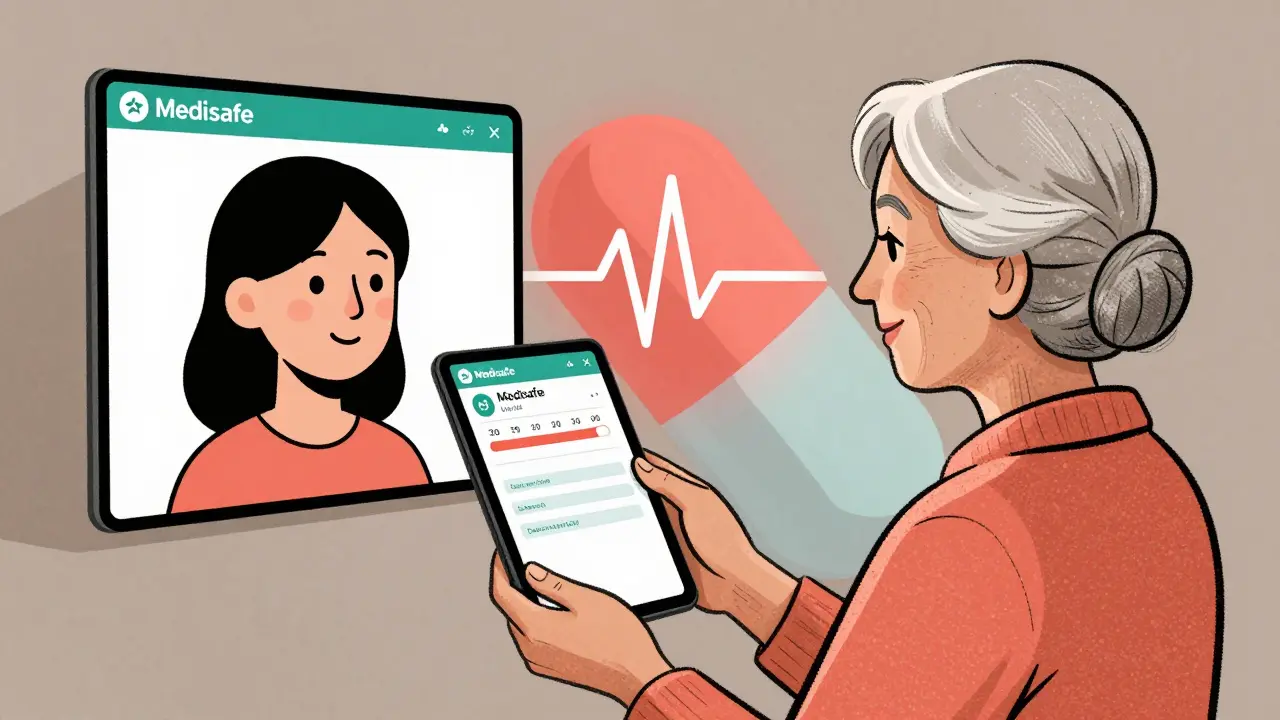
Medisafe leads in features and user satisfaction. It’s the only app with an AI coach that predicts when you’re likely to miss a dose and sends a personalized message before it happens. MyTherapy stands out for people managing multiple symptoms-like pain, fatigue, or anxiety-alongside meds. Round Health is the quiet winner for simplicity. No clutter. No upsells. Just reliable reminders.
Who Benefits the Most
Not everyone benefits equally. Apps work best for people who:- Own a smartphone (iOS or Android, 8.0 or newer)
- Can navigate basic menus (6th-grade reading level is enough)
- Have a stable routine-even if it’s complicated
- Are managing chronic conditions like hypertension, diabetes, HIV, or heart disease
Studies show people with HIV need over 95% adherence to keep the virus suppressed. Apps help them hit that target. Diabetics using apps saw HbA1c levels drop from 8.2 to 6.9 in six months-one user reported it was a "game changer."
But apps don’t work for everyone. People with severe dementia, no smartphone, or no reliable Wi-Fi often can’t use them. That’s a real gap. In rural areas or low-income communities, adoption drops by over 50%. That’s not a tech problem-it’s a justice problem.
What to Watch Out For
These apps aren’t magic. Here’s what can go wrong:- Notification fatigue: Too many alerts? You’ll turn them off. The fix? Customize frequency. Use "Do Not Disturb" modes during sleep.
- Onboarding confusion: Entering 10 pills with different times can take 20 minutes. Take your time. Use the app’s tutorial.
- Privacy fears: Most apps are HIPAA-compliant and encrypted, but only 64% clearly say so. Check their privacy policy. Look for "end-to-end encryption" and "no third-party data sharing."
- Short-term gains: Adherence drops 35-40% after three months without extra support. That’s why apps with coaching or family alerts work better long-term.
One user on Reddit said: "I used Medisafe for 6 months, then stopped. My HbA1c went back up. I had to restart." That’s the pattern. The app doesn’t fix the habit-it supports it. You still have to show up.
How to Get Started
It’s easier than you think:- Download one app (Medisafe or Round Health are good starting points).
- Enter your medications: name, dose, time, instructions (e.g., "take with food").
- Set reminders: choose tone, vibration, and snooze options.
- Enable refill alerts and drug interaction checks.
- Invite a family member if you want them to know if you miss a dose.
- Use it for 30 days. Don’t skip days. Track your streak.
Most people get comfortable in under 20 minutes. For those over 65, plan for 40 minutes. Have someone help you the first time. It’s worth it.
What’s Next: AI, Voice, and Real-Time Monitoring
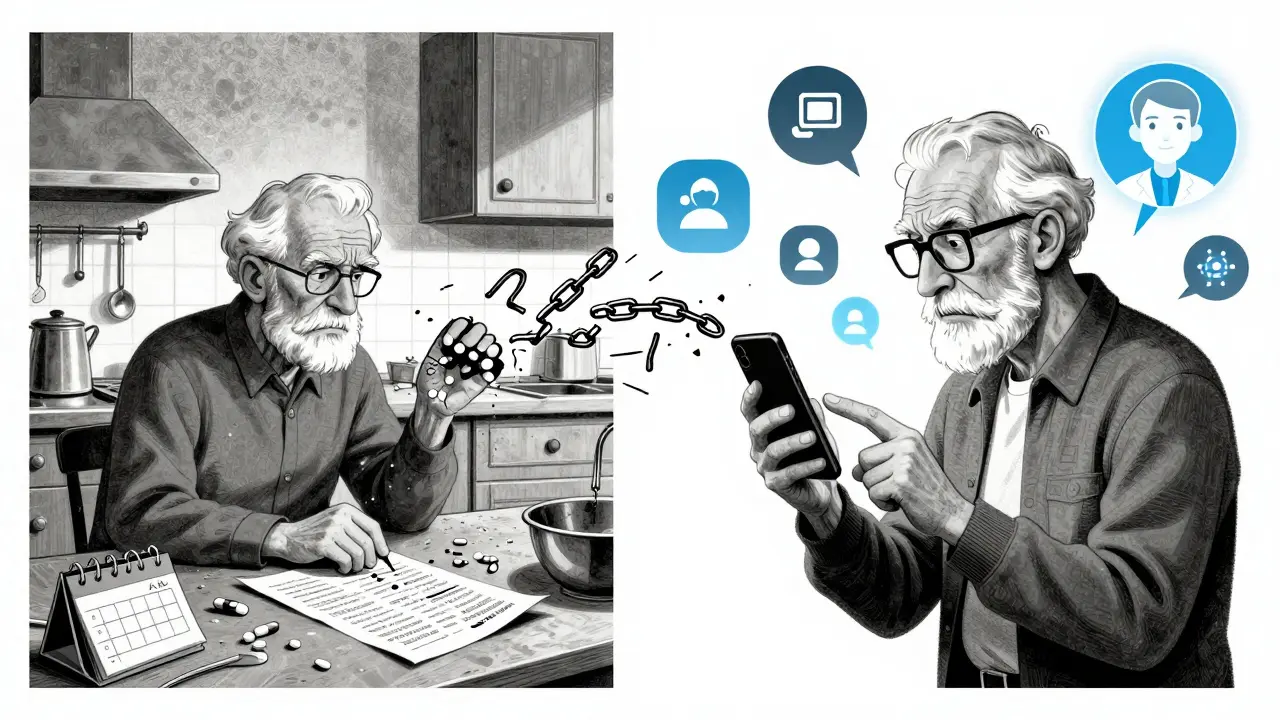
The field is moving fast. In early 2024, Medisafe launched an AI "Adherence Coach" that learns your habits and sends custom messages like: "You usually take your blood pressure pill at 8 a.m. You missed it yesterday. Want to set a reminder for today?" It’s 84% accurate in predicting misses.Google’s "Med Buddy" prototype, expected in late 2025, will let you say: "Hey Google, did I take my statin?" and get a voice reply. Pfizer is testing blockchain to verify pill-taking in clinical trials. And Medicare Advantage plans now cover these apps as a benefit-meaning your insurance might pay for it.
Final Thought: It’s Not About Tech. It’s About Care.
Medication adherence apps aren’t just tools. They’re lifelines. They turn a confusing, lonely chore into something manageable. They give people back control. They help parents manage their kids’ meds. They help grandparents stay independent. They help people live longer, healthier lives.But technology alone won’t fix the problem. We need better access, better education, and better support for those who can’t use apps. Until then, if you have a smartphone and a prescription-you have a chance. Start today. One pill. One reminder. One day at a time.
Do medication adherence apps really work?
Yes. A 2025 review of 14 clinical trials found that people using these apps improved their adherence by an average of 0.57 points on a standardized scale-enough to move from poor to good compliance. Effectiveness is strongest for chronic conditions like hypertension, diabetes, and HIV, where missing doses has serious consequences.
Are these apps free?
Most have free versions with core features like reminders and logs. Premium plans ($3-$10/month) add AI coaching, family alerts, pharmacy sync, and detailed reports. Some Medicare Advantage plans now cover these apps, so check with your insurer.
Can older adults use these apps?
Yes, but they may need help setting up. Users over 65 typically take 40 minutes to get started versus 18 minutes for younger adults. Apps like Round Health and Medisafe have simple interfaces. Family members can assist with initial setup and enable alerts so they’re notified if a dose is missed.
What if I don’t have a smartphone?
Without a smartphone, apps aren’t an option. Electronic pill boxes (like MedMinder or Hero) are alternatives, but they cost $30-$50/month and lack features like drug interaction alerts or progress tracking. Talk to your pharmacist or care team-they may have low-tech solutions or community programs to help.
Are my health data safe in these apps?
Top apps like Medisafe and MyTherapy are HIPAA-compliant and use end-to-end encryption. Always check the app’s privacy policy. Avoid apps that don’t clearly state their security practices. Look for terms like "HIPAA-compliant," "encrypted storage," and "no data sold to third parties."
How long does it take to see results?
Most users notice improved adherence within two weeks. Clinical benefits-like lower blood pressure or better HbA1c levels-usually appear after 3-6 months of consistent use. The key is sticking with it. Adherence drops sharply after three months without ongoing support.
Can these apps replace my doctor?
No. These apps support your treatment-they don’t replace it. Always follow your doctor’s advice. Use the app to help you stick to the plan, not to change it. Some apps let you share reports with your provider, which can help during checkups.


