
Steroid Hyperglycemia Risk & Adjustment Estimator
Patient Parameters
Risk Factors Check:
Enter your details and click Calculate to see recommendations.
You’ve been prescribed steroids for an autoimmune flare, a transplant, or severe inflammation. They’re working wonders for your underlying condition, but your blood sugar monitor is screaming red alerts. This isn’t just bad luck or a random spike. You are likely experiencing steroid hyperglycemia, also known as steroid-induced diabetes mellitus (SIDM). It is a specific metabolic disruption caused by glucocorticoids that disrupts how your body handles glucose.
If you have pre-existing diabetes, your usual routine will no longer work. If you don’t have diabetes, these drugs can trigger it temporarily-or sometimes permanently. The good news? This is predictable. Because we understand exactly how steroids mess with your metabolism, we can counteract them with precise adjustments to your insulin and medications. Ignoring this leads to dangerous highs; overcorrecting leads to scary lows when the steroids wear off. Let’s break down how to navigate this tightrope safely.
Why Steroids Spike Your Blood Sugar
To fix the problem, you first need to respect the mechanism. Glucocorticoids like prednisone, methylprednisolone, dexamethasone, and hydrocortisone don’t just raise blood sugar randomly. They attack glucose control from three angles simultaneously.
- Insulin Resistance: Steroids block insulin signaling in your muscles and liver. Your cells literally stop listening to insulin, so glucose stays trapped in your bloodstream instead of being used for energy.
Your liver starts pumping out more glucose than necessary, acting as if you are starving even when you’ve just eaten. - Reduced Insulin Secretion: Steroids stress the beta cells in your pancreas, making them less able to produce the insulin you desperately need.
The timing is everything here. Unlike typical type 2 diabetes, where fasting blood sugar is often the biggest issue, steroid-induced hyperglycemia is predominantly post-prandial (after meals). If you take a single dose of prednisone at 8 AM, your blood sugar will likely be fine at breakfast. But by lunchtime-4 to 8 hours later-the steroid peaks, and your glucose skyrockets. By dinner, it might start coming down. If you only check your fasting sugar, you will miss the crisis entirely.
Identifying Your Risk Profile
Not everyone reacts the same way. Several factors determine how aggressively you need to adjust your medications. Knowing where you stand helps set realistic expectations.
| Risk Factor | Impact on Glycemic Control |
|---|---|
| Pre-existing Diabetes | Insulin requirements typically increase by 30-50% immediately upon starting moderate-dose steroids. |
| Steroid Dosage | Doses >120 mg hydrocortisone equivalent daily carry a 10x higher risk of needing hypoglycemic therapy. |
| Concurrent Immunosuppressants | Drugs like tacrolimus inhibit insulin production, increasing glucose intolerance risk by 35-45%. |
| Low Magnesium Levels | Each 0.1 mg/dL drop in magnesium increases hyperglycemia risk by 10-15% during steroid therapy. |
| Age & BMI | Patients over 65 or with BMI ≥30 kg/m² are significantly more susceptible to severe spikes. |
If you fall into multiple high-risk categories, you cannot rely on "wait and see." You need a proactive plan before the first pill is swallowed.
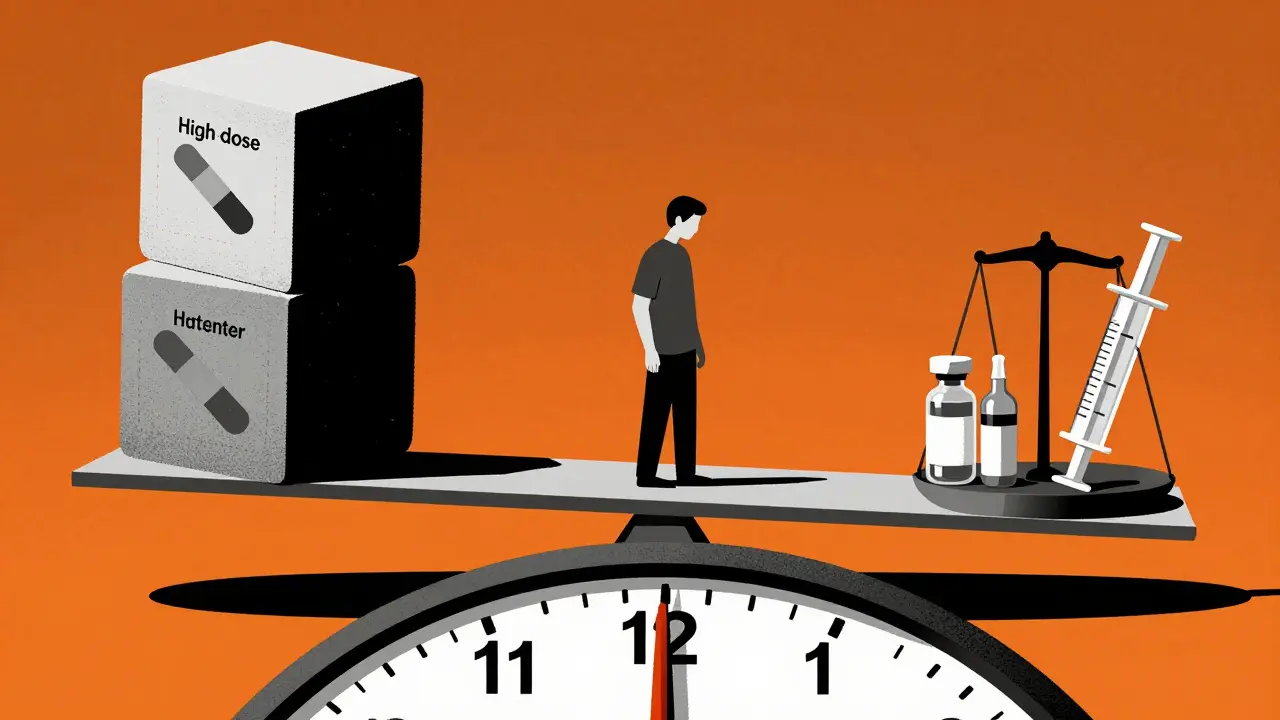
Adjusting Insulin: The Basal-Bolus Strategy
Sliding scale insulin alone is outdated and ineffective for steroid hyperglycemia. It chases highs rather than preventing them. The gold standard, recommended by endocrinologists like Dr. Guillermo Umpierrez, is a basal-bolus regimen tailored to the steroid’s half-life.
Here is how the math generally works for patients already on insulin:
- Basal Insulin (Long-acting): Increase your total daily basal dose by 20-30%. Steroids cause overnight hepatic glucose production, so your background insulin needs to rise to keep fasting numbers stable.
- Bolus Insulin (Rapid-acting): This is where the heavy lifting happens. For every 50 mg/day of hydrocortisone equivalent, increase mealtime insulin by 20-40%. However, focus this increase on the meals following the steroid dose.
If you take prednisone in the morning, your breakfast and lunch boluses need significant boosts. Your dinner bolus might stay the same or even decrease slightly, depending on how long the steroid effect lasts. Short-acting steroids like hydrocortisone require more frequent, smaller adjustments because they wear off quickly. Long-acting steroids like dexamethasone create a prolonged plateau of high blood sugar, requiring sustained higher insulin doses throughout the day.
For those not previously on insulin, doctors often initiate a basal-bolus regimen immediately if blood sugars exceed 180 mg/dL consistently. Oral medications like metformin or sulfonylureas are usually insufficient to combat the intense insulin resistance caused by high-dose steroids.
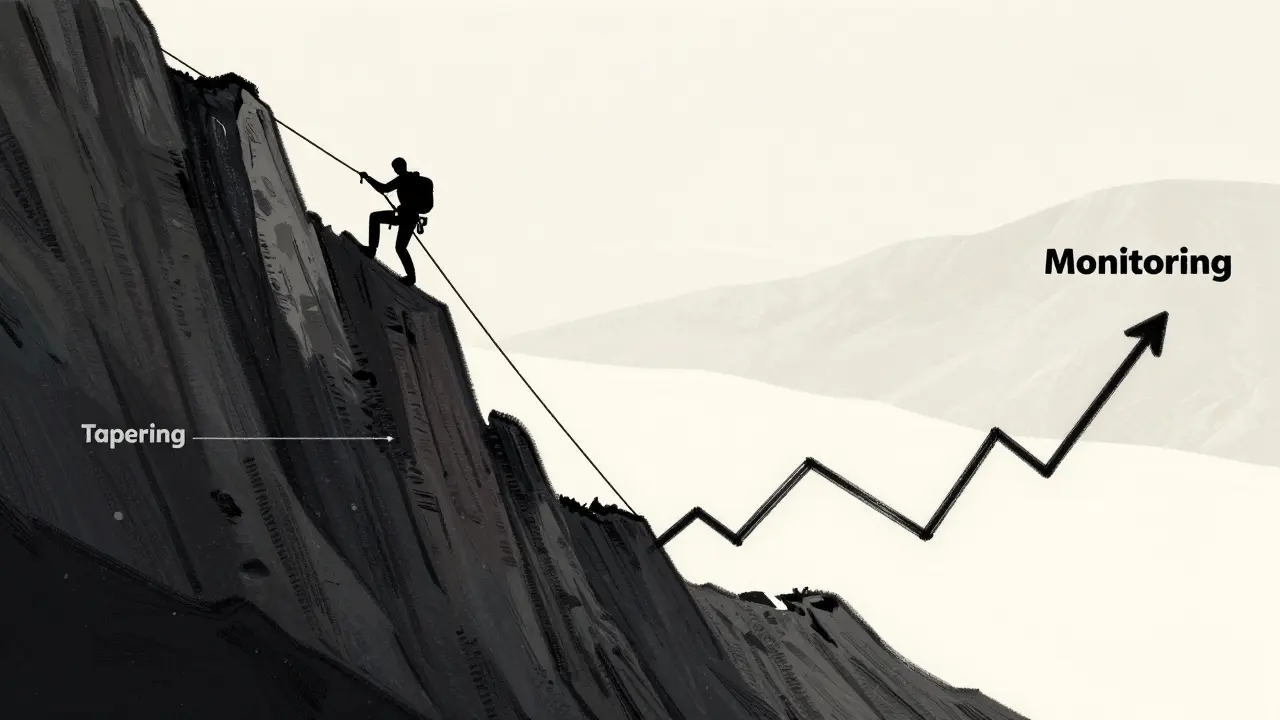
The Danger Zone: Tapering and Hypoglycemia
This is the most critical part of the article. Most complications don’t happen while you are on full-dose steroids; they happen when you stop taking them.
As your steroid dose decreases, your insulin sensitivity returns rapidly. If you keep your insulin doses high while tapering your steroids, you will crash. Studies show that 22% of patients experience severe hypoglycemia during the taper phase because their insulin wasn’t reduced appropriately.
Follow this rule of thumb: Reduce your insulin dose by 10-20% for every 10 mg reduction in prednisone equivalent. If you are tapering weekly, adjust your insulin weekly. If you are tapering daily, you may need to adjust your rapid-acting insulin doses daily based on real-time glucose readings.
Do not guess. Use data. If you are using a Continuous Glucose Monitor (CGM), look at the trend arrows. A steady decline in average glucose over 24 hours signals that it is time to lower your basal or bolus units.
Monitoring Strategies That Actually Work
Standard fingerstick testing four times a day is often not enough during active steroid therapy. The Endocrine Society recommends 6-8 checks daily if hyperglycemia develops. Here is a practical monitoring schedule for someone taking morning steroids:
- Fasting: Check before breakfast to assess basal insulin needs.
- Pre-Lunch: Critical checkpoint. This shows the early impact of the morning steroid dose.
- 2-Hours Post-Lunch: The peak danger zone. This reading dictates your next meal’s insulin correction.
- Pre-Dinner: Assess if the steroid effect is wearing off.
- Bedtime: Ensure you aren’t going to sleep with dangerously high or low levels.
If you have access to a CGM (like Dexcom or Libre), use it. Data from 2021 shows CGM users adjusted their insulin doses 37% more accurately than those using fingersticks alone. The visual trends help you see the "steroid curve" and anticipate spikes before they become emergencies.
When to Call the Doctor
You should contact your healthcare provider immediately if:
- Your blood sugar remains above 250 mg/dL despite insulin adjustments.
- You experience symptoms of DKA (nausea, vomiting, fruity breath) even if your ketones are low (steroids can mask some DKA signs).
- You have recurrent hypoglycemia (below 70 mg/dL) during the taper phase.
- You are unsure how to calculate the equivalent dose of your new steroid medication.
Remember, steroid hyperglycemia is a manageable side effect, not a life sentence. With precise timing, aggressive monitoring, and willingness to adjust both up and down, you can protect your health while treating your primary condition.
How long does steroid-induced hyperglycemia last?
Steroid-induced hyperglycemia typically resolves within days to weeks after discontinuing glucocorticoid therapy. However, in some cases, particularly with prolonged high-dose use or in individuals with pre-existing metabolic issues, it may unmask permanent type 2 diabetes. Monitoring should continue for several weeks after stopping steroids to ensure glucose levels return to baseline.
Can oral diabetes medications manage steroid hyperglycemia?
Oral medications like metformin or glipizide are generally insufficient for managing significant steroid-induced hyperglycemia, especially at doses above 20 mg of prednisone equivalent daily. Insulin is the preferred treatment because it can be titrated rapidly to match the fluctuating insulin resistance caused by steroids. Oral agents act too slowly and lack the precision needed for acute management.
Which steroids cause the most blood sugar spikes?
All glucocorticoids can raise blood sugar, but potency and duration matter. Prednisone, methylprednisolone, and dexamethasone are highly potent and cause significant spikes. Hydrocortisone has less mineralocorticoid activity but still impacts glucose. Dexamethasone, due to its long half-life (36-72 hours), causes prolonged hyperglycemia that is harder to manage with short-acting insulin compared to shorter-acting agents like prednisone.
Should I eat differently while on steroids?
Yes. Focus on low-glycemic index carbohydrates, increased fiber, and adequate protein. Avoid simple sugars and refined carbs, especially around the time you take your steroid dose. Since steroids increase appetite, mindful eating is crucial to prevent excessive caloric intake, which further stresses insulin production. Pairing carbs with protein and fat can slow glucose absorption.
What is the safe blood sugar range during steroid therapy?
Inpatient guidelines often target a range of 140-180 mg/dL to balance safety and efficacy. For outpatient management, aiming for pre-meal glucose levels between 90-130 mg/dL and post-meal levels below 180 mg/dL is reasonable, provided hypoglycemia is avoided. Individual targets may vary based on age, comorbidities, and the severity of the underlying condition requiring steroids.