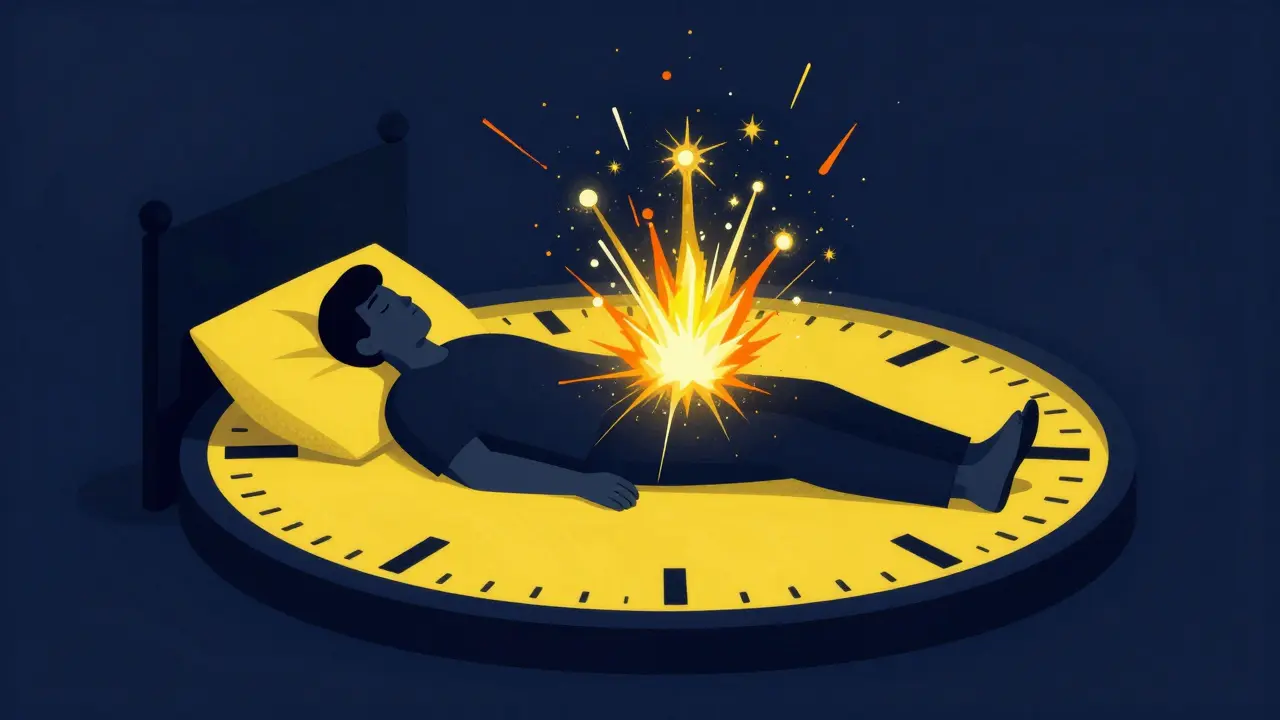
You wake up, check your glucose monitor, and see a number that makes you double-take. You went to bed with a perfect reading, you didn't eat anything late at night, and yet your blood sugar is soaring. It's a frustrating experience that leaves many people feeling like they're failing their diet or medication, but there is a biological reason for it. This is known as the dawn phenomenon is a natural early-morning surge in blood glucose levels, typically occurring between 3:00 a.m. and 8:00 a.m.
For a person without diabetes, this surge is a non-event. For someone managing diabetes, however, it can be the primary reason why their HbA1c remains high despite being disciplined during the day. Understanding why this happens-and how to tell it apart from other nocturnal spikes-is the first step toward taking control of your mornings.
What Exactly Is the Dawn Phenomenon?
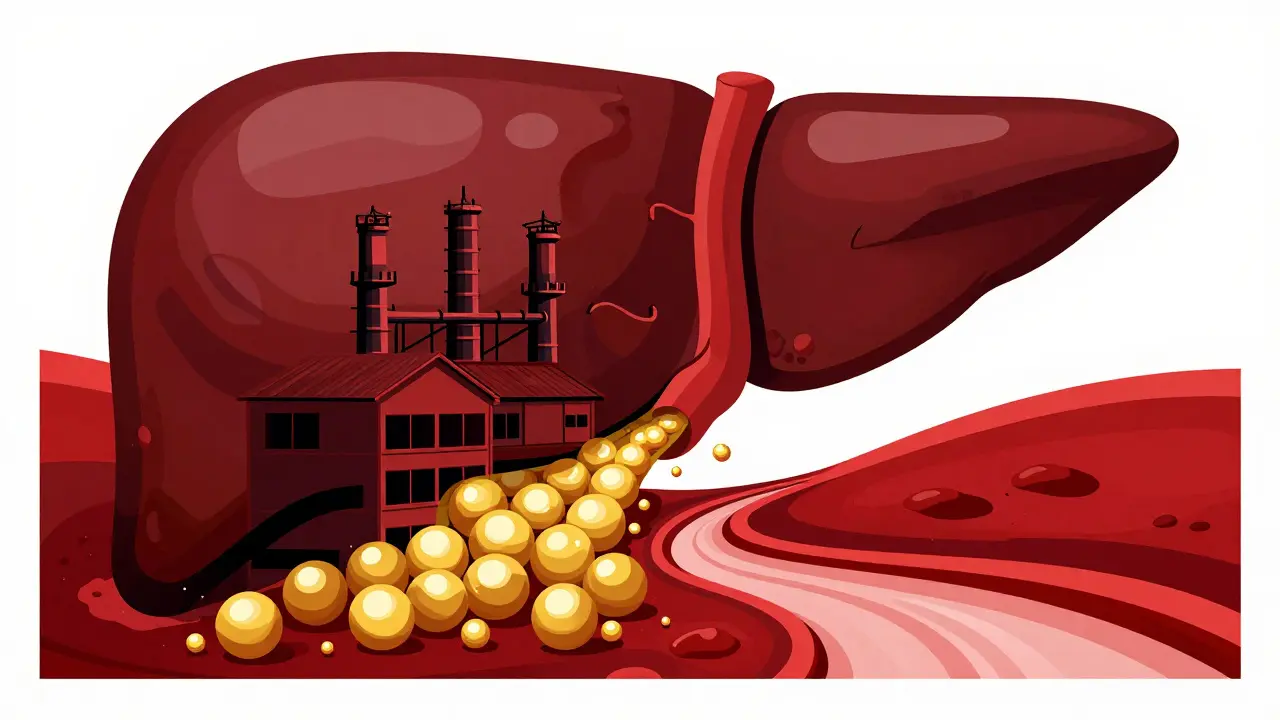
Think of the dawn phenomenon as your body's internal alarm clock. Every morning, your body prepares you to wake up and be active by releasing a cocktail of counter-regulatory hormones. These include cortisol, growth hormone, glucagon, and epinephrine. These hormones signal your liver to dump stored glucose into your bloodstream to give you the energy needed to start your day.
In a body with functioning insulin production, the pancreas simply releases a bit more insulin to balance out this glucose surge. But if you have Type 1 diabetes (where insulin production is minimal) or Type 2 diabetes (where your cells resist insulin), that balance doesn't happen. Instead of a smooth transition into wakefulness, you experience hyperglycemia. Research from the University of Virginia shows that cortisol levels can jump by 50-100% during this window, causing the liver to increase glucose production by up to 30%.
Dawn Phenomenon vs. Somogyi Effect: Know the Difference
One of the most dangerous mistakes in diabetes management is confusing the dawn phenomenon with the Somogyi effect. While both result in high morning blood sugar, they are opposites in cause. The Somogyi effect is a "rebound" spike; it happens when your blood sugar drops too low during the night (nocturnal hypoglycemia), and your body panics, releasing hormones to aggressively push your sugar back up.
If you treat the Somogyi effect as if it's the dawn phenomenon by increasing your nighttime insulin, you could actually drive your blood sugar even lower during the night, increasing the risk of a severe hypoglycemic event. The only way to know for sure is to track your data.
| Feature | Dawn Phenomenon | Somogyi Effect |
|---|---|---|
| Cause | Natural hormonal surge | Rebound from low blood sugar |
| 3:00 AM Reading | Usually normal or high (>100 mg/dL) | Low (<70 mg/dL) |
| Glucose Trend | Steady climb from 3 AM to 8 AM | Dip followed by a sharp spike |
| Primary Risk | Chronic hyperglycemia / High HbA1c | Severe nocturnal hypoglycemia |
How to Diagnose Your Morning Spikes
The gold standard for diagnosing this is using a Continuous Glucose Monitor (CGM). Devices like the Dexcom G7 or FreeStyle Libre 3 allow you to see the exact trend line. If you see a steady upward slope starting around 3:00 a.m. without a preceding dip, you're likely dealing with the dawn phenomenon.
If you don't have a CGM, the American Diabetes Association suggests the "3:00 AM Test." For three consecutive nights, set an alarm and check your blood glucose at 3:00 a.m. If your levels are consistently above 100 mg/dL and continue to rise by the time you wake up, it's the dawn phenomenon. If you're consistently below 70 mg/dL at 3:00 a.m. but wake up high, it's likely the Somogyi effect.
Practical Management Tips
Managing these spikes requires a personalized approach. What works for someone with Type 1 diabetes might be completely different for someone with Type 2. Here are the most effective strategies based on current clinical data.
Dietary Adjustments
- Limit Late-Night Carbs: Try reducing your evening carbohydrate intake to under 45g. A study by the Joslin Diabetes Center found this can reduce morning spikes by 27%.
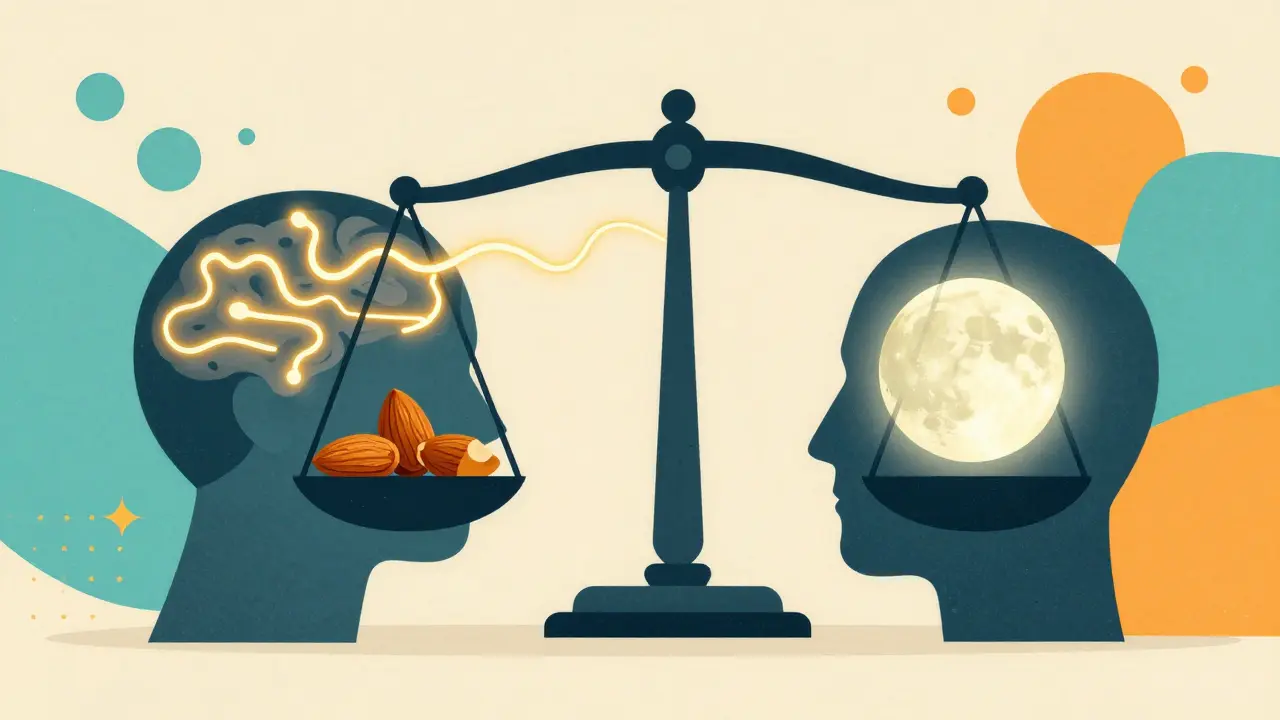
- The "Protein-Fat" Bedtime Snack: Instead of a sugary snack, try a small combination of protein and healthy fats (e.g., a tablespoon of peanut butter or a few almonds). This can help stabilize glucose levels overnight.
- Dinner Timing: Moving your largest meal earlier in the evening may help your body process glucose more efficiently before you sleep.
Lifestyle and Sleep
Sleep isn't just about rest; it's about metabolic regulation. Poor sleep quality or insomnia can increase morning glucose by 15-20 mg/dL. Aim for 7-8 hours of consistent sleep to keep your cortisol levels from spiking prematurely.
Medication and Technology
For those using insulin, adjustments should only be made under medical supervision. Some common clinical interventions include:
- Basal Rate Adjustment: Type 1 users on insulin pumps often increase their basal rate by 20-30% between 3:00 a.m. and 7:00 a.m.
- Medication Timing: For Type 2 diabetes, doctors may move GLP-1 receptor agonists to an evening dose to better counteract the morning surge.
- Automated Insulin Delivery (AID): Systems like Control-IQ use predictive algorithms to adjust insulin doses as early as 2:00 a.m., which has been shown to reduce morning hyperglycemia by over 50%.
The Long-Term Impact of Ignoring Morning Highs
It's tempting to ignore a high morning reading and just "correct" it with a bolus of insulin. However, persistent morning hyperglycemia can significantly raise your HbA1c-sometimes by as much as 1.2 percentage points. According to the UK Prospective Diabetes Study, every 1% increase in HbA1c correlates with a 21% higher risk of long-term complications, such as neuropathy or kidney disease.
Furthermore, severe cases where blood sugar exceeds 250 mg/dL regularly can increase the risk of Diabetic Ketoacidosis (DKA), particularly in those with Type 1 diabetes. This makes the dawn phenomenon more than just a morning nuance; it's a critical piece of your overall health puzzle.
Can I just take more insulin before bed to stop the dawn phenomenon?
You should never do this without consulting your doctor. If your spike is actually caused by the Somogyi effect (a rebound from a low), adding more nighttime insulin could cause a dangerous drop in blood sugar while you sleep, potentially leading to severe hypoglycemia or loss of consciousness.
Does the dawn phenomenon happen to people without diabetes?
Yes, the hormonal surge is a normal part of the human circadian rhythm. However, people without diabetes have a pancreas that automatically releases enough insulin to keep their blood sugar within a normal range (usually 70-100 mg/dL), so they never notice the spike.
How long does it take for dietary changes to work?
Medical protocols, such as those from the Joslin Diabetes Center, typically suggest a 4-6 week trial period for any single intervention. Your body needs time to adjust to new eating patterns before you can accurately determine if a change is working.
Will a CGM really help me manage this better?
Absolutely. A CGM provides a real-time graph of your glucose levels. Instead of a single snapshot (like a finger-stick test), you can see exactly when your sugar starts to climb and how it responds to different bedtime snacks or insulin adjustments.
What are the most common symptoms of the dawn phenomenon?
Since the phenomenon causes hyperglycemia, you'll experience typical high-sugar symptoms upon waking. These include increased urination (polyuria), extreme thirst, blurred vision, and a general feeling of fatigue despite having just slept.
Next Steps for Better Mornings
If you suspect you're dealing with morning spikes, don't guess. Start by keeping a detailed log for one week: record your bedtime snack, your sleep quality, and your waking glucose level. If you have a CGM, mark the exact time the upward trend begins.
Bring this data to your endocrinologist. Instead of saying "my sugar is high in the morning," you can say "my glucose starts climbing at 3:15 a.m. and hits 190 mg/dL by 7:00 a.m." This specific data allows your provider to make precise adjustments to your basal rates or medication timing, rather than relying on trial and error.


