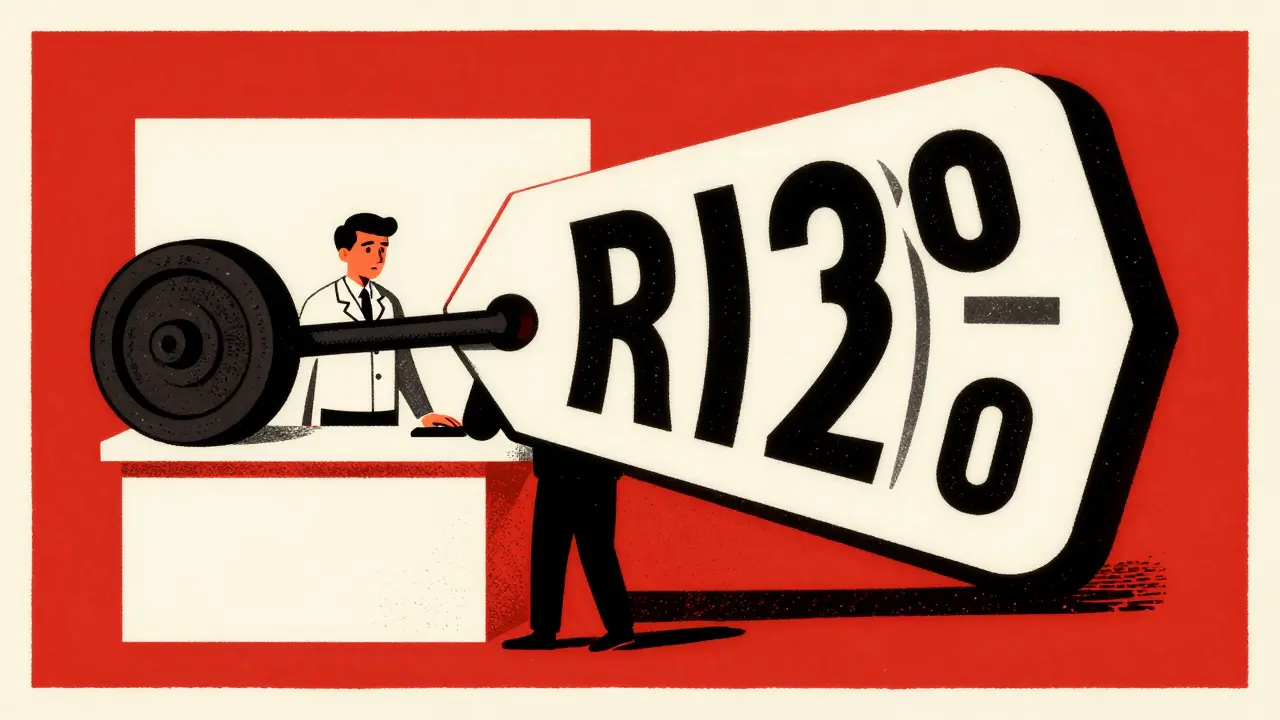
Walking up to the pharmacy counter and seeing a price tag that looks like a monthly car payment is a gut-punch. You're not alone in this. Whether it's a new prescription or a long-term medication, the cost of brand-name drugs can be staggering. The good news is that for the vast majority of medications, there's a way to get the exact same clinical result for a fraction of the price. But getting there requires a specific kind of conversation with your healthcare provider.
The goal isn't just to save money-it's to ensure you're getting the most effective treatment without breaking the bank. Most people assume their doctor automatically picks the cheapest option, but that isn't always the case. Some physicians may not be aware of the latest generic releases, or they might be habituated to prescribing a specific brand. By taking the lead in the conversation, you can shift the focus toward generic alternatives and potentially save thousands of dollars a year.
What Exactly Is a Generic Drug?
Before you head into your appointment, it helps to understand what you're actually asking for. A Generic Drug is a medication created to be the same as another drug in dosage, strength, quality, and performance, but typically sold at a much lower price.
When a pharmaceutical company develops a new drug, they get a patent that lasts about 17 years. During this time, they are the only ones who can sell it. Once that patent expires, other companies can apply to the FDA to create their own versions. To get approved, these generics must prove "bioequivalence." This means the active ingredient must reach the same concentration in your bloodstream within the same timeframe as the brand-name version. In simple terms: if the brand drug is a name-brand cereal, the generic is the store-brand version. The box looks different, but the nutrition and ingredients are identical.
It is a common myth that generics are "watered down" or less effective. In reality, the evidence is overwhelming. According to data from the University of Michigan, generics are therapeutically equivalent to brand-name drugs for almost all medications. The only things that usually change are the inactive ingredients-like the dyes that color the pill or the binders that hold it together-which is why a generic might be white while the brand is blue.
The Real-World Cost Difference
Why bother with the conversation? Because the price gap is massive. When the first generic version of a drug hits the market, it's usually about 6% cheaper. But as more manufacturers jump in-which happens in about 85% of cases-prices plummet. We're talking about drops of 50% to 95% compared to the brand-name cost.
| Medication Type | Brand-Name Cost (Approx.) | Generic Cost (Approx.) | Potential Savings |
|---|---|---|---|
| Acid Reflux (Nexium vs. Omeprazole) | $284 | $4 | $280 (30-day supply) |
| Rheumatoid Arthritis (Humira vs. Adalimumab) | $6,300/mo | $4,480/mo | $1,820/mo |
| General Prescriptions (Top 200 list) | 100% (Baseline) | 18% of brand cost | 82% average saving |
How to Start the Conversation With Your Doctor
Timing is everything. Don't wait until you're at the pharmacy and the pharmacist tells you the drug is too expensive; by then, the prescription is already written. Start the discussion during your office visit. Instead of just asking, "Can I get the generic?" frame the conversation around shared goals of efficacy and cost.
Try saying: "I want the most effective treatment possible, but I also need it to be affordable. I'm open to using generic versions of medications whenever they are clinically appropriate for my condition. Can we look for those options together?"
This approach does two things: it tells your doctor that you value their medical expertise regarding efficacy, and it clearly states your financial constraints. It moves the conversation from a "yes/no" question to a collaborative decision-making process.
If you are seeing a doctor for the first time or starting a new medication, ask them to write the prescription with a note that allows for generic substitution. Most state laws allow pharmacists to substitute a generic automatically unless the doctor explicitly writes "Do Not Substitute" or "Brand Name Only." By encouraging the substitution at the start, you avoid the hassle of having to call the doctor's office back from the pharmacy.
Specific Questions to Ask
Sometimes a general request isn't enough. You may need to dig deeper to understand why a certain brand is being suggested. Use these specific questions to get clear answers:
- "Is there a generic equivalent available for this specific medication?"
- "In my specific case, would the generic version be just as effective as the brand name?"
- "Are there any medical reasons why I should stay on the brand-name drug for this particular condition?"
- "If a generic isn't available today, do you know if one is expected to be released soon?"
If your doctor seems hesitant, ask if the drug is part of a Narrow Therapeutic Index (NTI) category. This is a crucial distinction. NTI drugs are medications where a very small difference in the dose or blood concentration can lead to a big change in how the drug works or cause dangerous side effects. Examples include certain blood thinners like Warfarin or thyroid medications like Levothyroxine. In these rare cases (about 5% of common drugs), staying on one consistent brand-whether brand-name or a specific generic manufacturer-is actually safer.
Dealing With Insurance and Pharmacies
Your insurance company often has a huge say in what you pay. Many plans have "preferred drug lists" (formularies) that steer you toward specific generics. If your doctor prescribes a brand-name drug and the pharmacy tells you it's not covered, don't just pay the out-of-pocket cost. Ask the pharmacist: "Is there a generic alternative for this that is on my insurance's preferred list?"
Pharmacists are often the most up-to-date experts on which generics are currently available and which insurance plans cover them. If a generic exists but the doctor didn't list it, the pharmacist can often contact the doctor's office to request a change in the prescription. This intermediary role is a powerful tool for saving money.
For those on Medicare Part D, the substitution rate for generics is nearly 89%, meaning the system is heavily skewed toward lower-cost options. If you're on a commercial plan, the rate is slightly lower (around 72%), meaning you may have to be more proactive in requesting the switch.
When to Be Cautious About Switching
While 95% of the time generics are a slam dunk, there are a few red flags to watch for. If you are taking a medication for a critical, high-stability condition (like severe epilepsy or organ transplant rejection), the consistency of the manufacturer matters more than the price.
Some patients report a "switch effect." This happens when you move from one generic manufacturer to another. Because the inactive ingredients (excipients) differ, some people may experience minor side effects or a slight change in how they feel. If you notice a change in your symptoms after a pharmacy switches your generic brand, document it immediately and tell your doctor. They may decide to lock you into one specific manufacturer to keep your levels steady.
Are generic drugs less potent than brand-name drugs?
No. The FDA requires generic drugs to have the same active ingredients, strength, and dosage form as the brand-name version. They must prove bioequivalence, meaning they work the same way in your body and provide the same clinical benefit.
Why would a doctor ever insist on a brand-name drug?
There are two main reasons. First, if the drug is a Narrow Therapeutic Index (NTI) medication, where tiny fluctuations in dose can be dangerous. Second, if a patient has had a severe allergic reaction to an inactive ingredient found in the generic versions of a drug.
Can I switch from a brand-name drug to a generic at any time?
In most cases, yes, provided your doctor agrees it's safe. It is best to discuss the switch during a scheduled visit so your doctor can monitor your response to the change, especially for blood pressure or psychiatric medications.
Do generics take longer to work because they are cheaper?
No. Because they use the same active ingredients and the same delivery mechanism (like a tablet or capsule), they begin working in your system at the same rate as the brand-name equivalent.
What if my insurance refuses to cover a generic?
This is rare, but if it happens, ask your doctor for a "Prior Authorization" or a medical necessity letter. Alternatively, check for manufacturer coupons or use pharmacy discount apps to find a lower cash price for the generic.
Next Steps for Your Next Visit
If you're heading to the doctor soon, don't leave your wallet to chance. Start by listing all your current medications and their monthly costs. Bring a small notebook or use your phone to jot down which ones are brands and which are generics.
If you're feeling nervous about bringing up money, remember that doctors are used to this conversation. They know that if a medication is too expensive, you simply won't take it-which means the treatment fails regardless of how "good" the brand-name drug is. Being honest about your budget is actually a part of your medical history that helps them provide better, more sustainable care.


