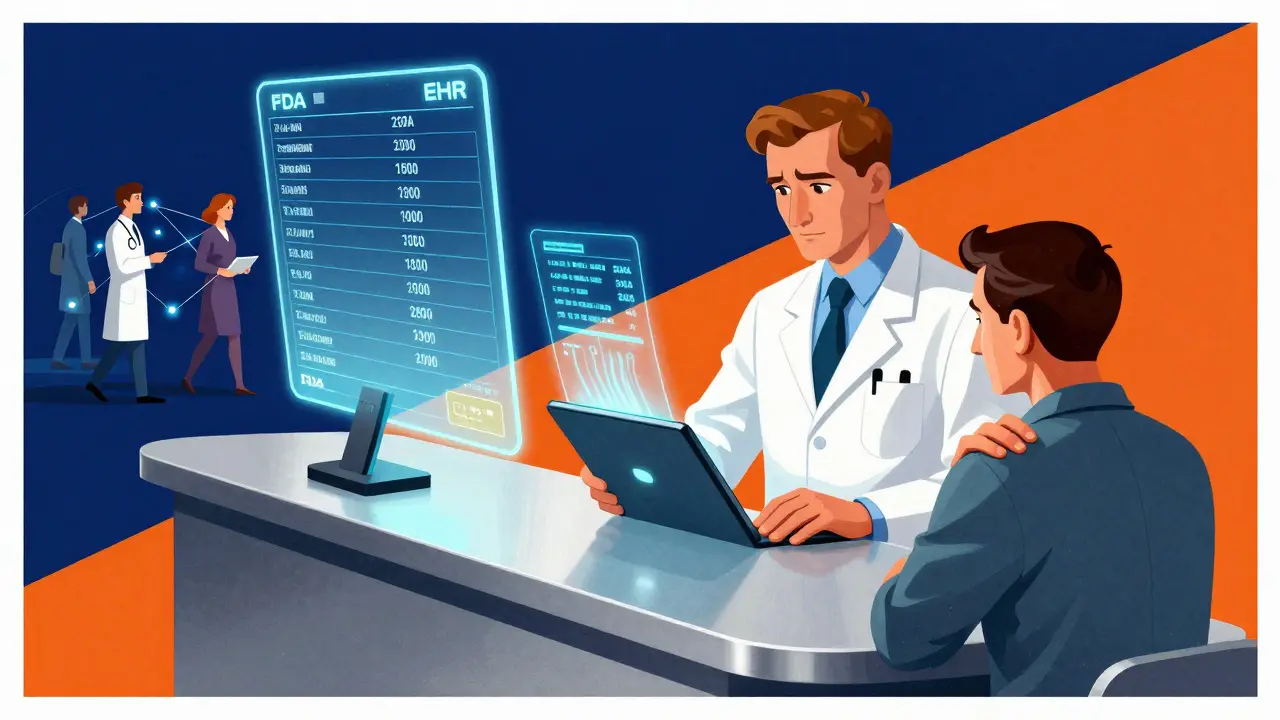
When a pharmacist sees a prescription for a brand-name drug, they don’t just fill it and move on. They look at the patient’s history, the cost, and whether a generic version would work just as well. But here’s the catch: they can’t just swap it out without telling the doctor. That’s where pharmacist-prescriber communication becomes critical.
Why Generics Matter - And Why Doctors Need to Know
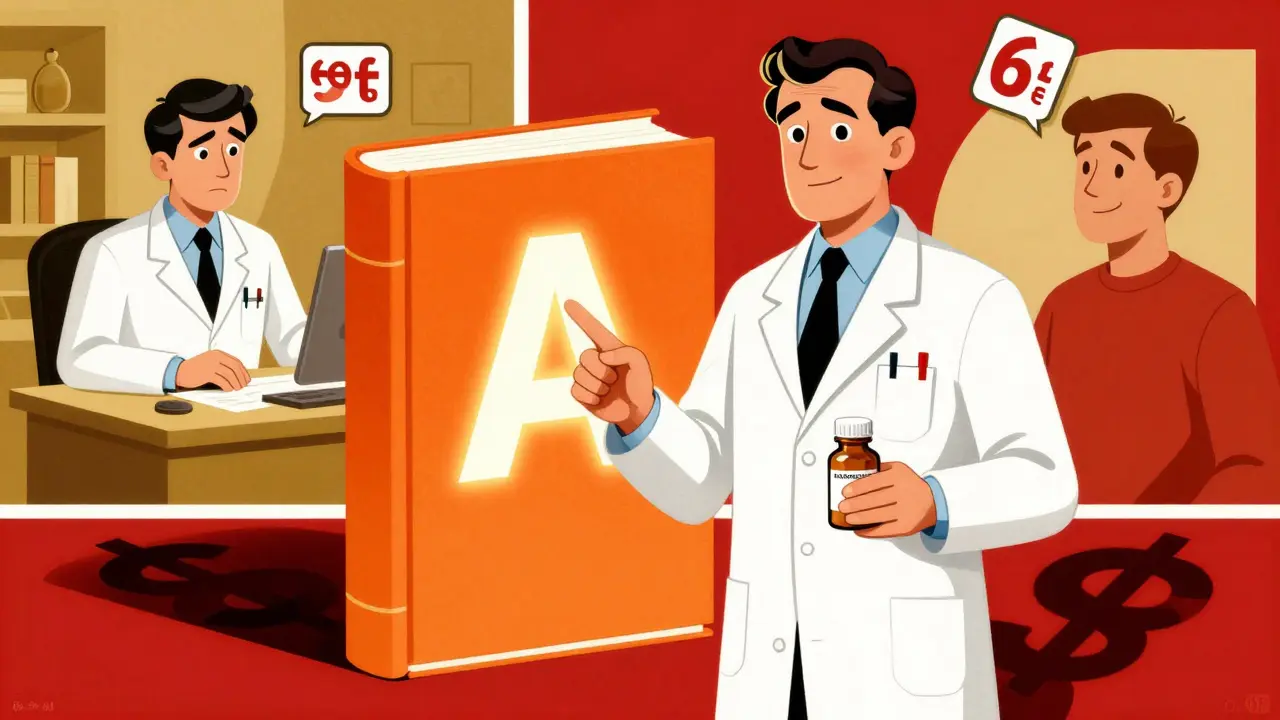
About 97% of all prescriptions filled in the U.S. are for generic drugs. That’s not just a trend - it’s a massive savings. In 2023, generic medications saved the healthcare system over $409 billion. But that number doesn’t mean much if the right people aren’t talking. Many prescribers still worry that generics aren’t as effective, especially for drugs with narrow therapeutic windows like warfarin, levothyroxine, or phenytoin. These are medications where even small differences in absorption can lead to serious side effects or treatment failure. The FDA’s Orange Book is the official guide that tells pharmacists which generics are truly equivalent to brand-name drugs. It lists over 12,800 generic products that are rated as therapeutically equivalent (marked with an “A”). But not every generic gets that rating. About 7.3% are flagged as “B” - meaning they’re not considered interchangeable. Pharmacists use this data every day to make smart recommendations.When You Can’t Just Substitute - And What to Do Instead
Not every prescription can be swapped. If a doctor writes “dispense as written” (DAW) on the prescription, that’s a red flag. About 15.3% of all prescriptions have this note. Sometimes it’s because the patient had a bad reaction to a previous generic. Other times, it’s because the prescriber is unsure - and that’s where the pharmacist steps in. One common reason for DAW is excipient allergies. Inactive ingredients like dyes, fillers, or preservatives in generics can trigger reactions in about 8.7% of patients. A patient with a peanut allergy might react to a capsule filled with peanut oil. A person with lactose intolerance might get stomach issues from a tablet containing lactose. Pharmacists check these details before calling the doctor. If they find a mismatch, they don’t guess - they call. Another situation is when the drug is a complex product - like an inhaler, topical cream, or extended-release tablet. These aren’t simple pills. Their delivery system matters. A 2023 survey found that 42.3% of prescribers worry about generic inhalers, and 38.9% are uneasy about topical generics. Pharmacists counter this by pulling up the FDA’s Product-Specific Guidances - detailed documents that show exactly how the generic was tested. They don’t say, “It’s the same.” They say, “Here’s the bioequivalence data. The AUC and Cmax values are within 95% of the brand.” That’s the kind of detail that changes minds.How to Talk to a Prescriber - The Right Way
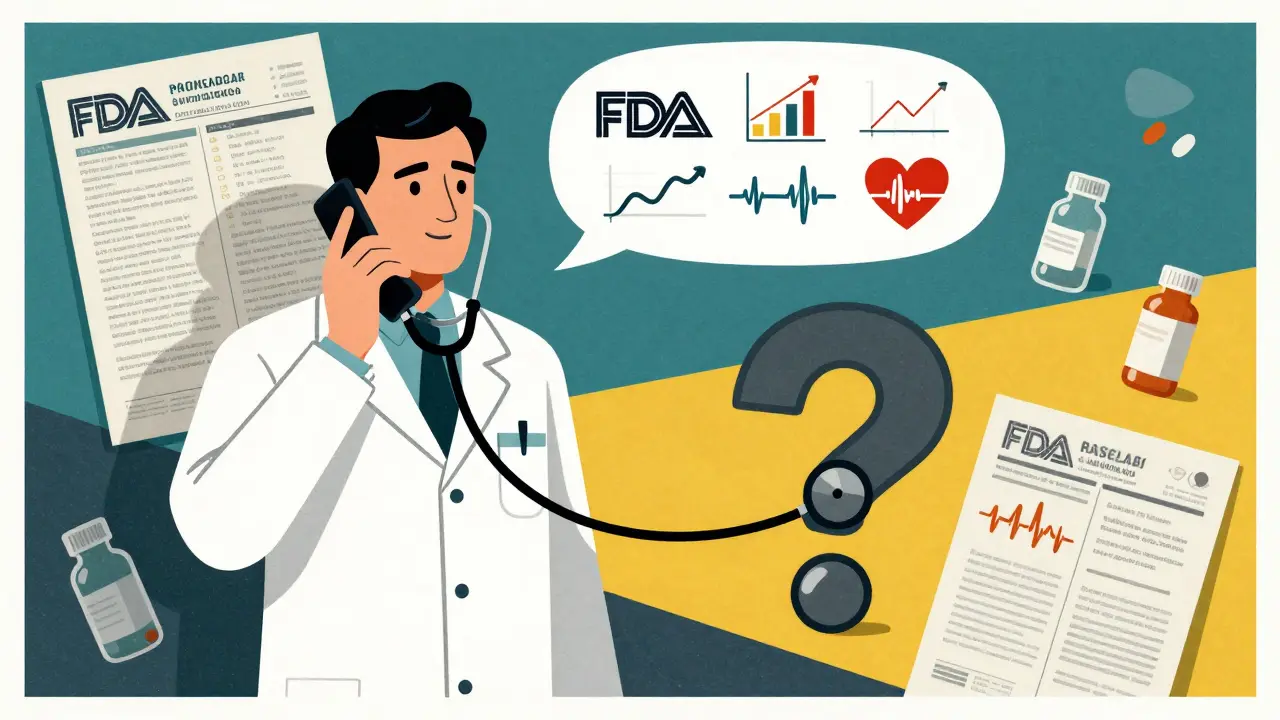
Talking to a doctor isn’t about pushing generics. It’s about offering evidence. The American Society of Health-System Pharmacists (ASHP) laid out a clear framework for this:- Contact the prescriber within 24 hours of receiving the prescription.
- Reference the Orange Book’s therapeutic equivalence rating for the specific drug.
- Provide cost data - for example, “This generic saves the patient $42 per month.”
- Document the conversation exactly what was said, who was spoken to, and the outcome.
What’s Holding Pharmacists Back - And How They Overcome It
It’s not easy. Pharmacists are stretched thin. The 2023 National Pharmacist Workload Survey found they have just 2.3 minutes per prescription to verify everything - including checking for interactions, allergies, insurance, and now, generic substitutions. That’s less time than it takes to brew a cup of coffee. Plus, not all pharmacists feel confident discussing complex generics. A 2022 study found that 41.7% of pharmacists weren’t sure how to explain modified-release formulations or transdermal patches to doctors. That’s where training matters. The FDA’s Office of Generic Drugs runs free quarterly webinars and live Q&A sessions called “Orange Book Live.” Over 12,000 pharmacists tuned in last year. The biggest barrier? Prescribers’ fears. A 2023 Medscape report showed that 58.3% of primary care doctors worry about therapeutic equivalence. Nearly half fear patients will have altered responses. And 62.1% say they just don’t have time to review every request. Pharmacists who win these conversations don’t give long lectures. They send a quick, clear message: “Patient on levothyroxine 88 mcg. Generic available with same AUC/Cmax as Synthroid. Cost: $5 vs $89. No history of reaction. Recommend substitution.” That’s it. No fluff. Just facts.Documentation Isn’t Optional - It’s the Law
If you don’t write it down, it didn’t happen. Every state requires pharmacists to document the generic product dispensed, its National Drug Code (NDC), the manufacturer, and any communication with the prescriber. But it’s not just about compliance. Good documentation prevents errors. The American Medical Association and the American Pharmacists Association teamed up in 2022 to create best-practice guidelines. They recommend including:- Date and time of communication
- Method used (phone, secure message, EHR)
- Prescriber’s name and credentials
- Specific recommendation and why
- Outcome - did they agree? Did they refuse?