Black Box Warning Checker
Search for your prescription drug to see if it has a FDA black box warning. This tool checks common medications and provides key information about the warning.
When you pick up a prescription, you might not notice the thick black border around a section of the drug label. But that box? It’s the FDA’s loudest possible alarm. A black box warning means the drug carries risks so severe they can cause death or permanent harm. This isn’t a minor side effect reminder. It’s the highest level of safety alert the U.S. Food and Drug Administration can issue. And over 400 approved medications carry one right now.
What Exactly Is a Black Box Warning?
A black box warning is a special section in a drug’s official prescribing information. It’s surrounded by a thick black border - no color, no decoration, just stark black text. The FDA requires it to appear right after the Highlights of Prescribing Information, so doctors and pharmacists see it immediately. These aren’t optional notes. They’re legally mandated safety alerts.The FDA doesn’t slap these on lightly. They’re reserved for risks that are: life-threatening, likely to cause serious injury, or so severe they could outweigh the drug’s benefits for some patients. Common reasons include:
- Drugs that can trigger fatal liver damage
- Medications that increase suicide risk in young adults
- Drugs that cause dangerous heart rhythms
- Products linked to severe allergic reactions or organ failure
- Medicines that must never be taken during pregnancy
For example, the diabetes drug rosiglitazone (Avandia) got a black box warning in 2007 after studies showed it raised heart attack risk. The antidepressant fluoxetine (Prozac) carries one for increased suicidal thoughts in teens and young adults. Even common drugs like certain antibiotics and painkillers have these warnings if they carry rare but deadly side effects.
How Does the FDA Decide to Add a Black Box Warning?
Most black box warnings aren’t added before a drug hits the market. They come after. That’s because some dangers only show up when thousands - or millions - of people take the drug over time.The FDA monitors safety through the FDA Adverse Event Reporting System (FAERS). Every year, they receive about 1.3 million reports from doctors, pharmacists, and patients. When patterns emerge - like a spike in liver failures linked to a specific drug - the agency investigates. If the evidence shows a serious, preventable risk, they require the manufacturer to add the warning.
Some drugs get the warning during clinical trials, but that’s rare. More often, it’s post-market surveillance that catches the danger. The FDA also uses the Sentinel Initiative, which analyzes health records and insurance claims from over 300 million Americans to spot hidden risks faster than ever before.
Black Box Warnings Aren’t a ‘Don’t Take This Drug’ Sign
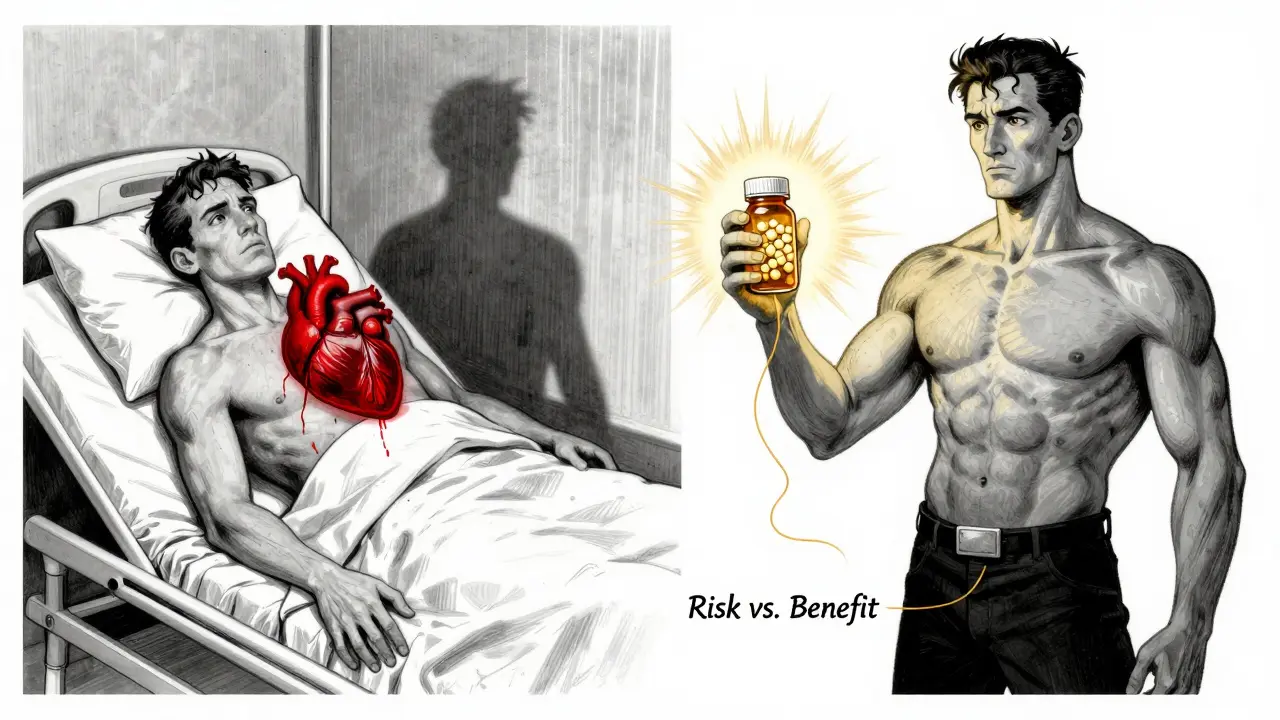
This is the biggest misunderstanding. A black box warning doesn’t mean the drug is banned. It doesn’t mean you should stop taking it. It means: “This drug can kill you - but it might also save your life.”Take clozapine, used for treatment-resistant schizophrenia. It carries a black box warning for life-threatening drops in white blood cells. But for patients who’ve tried every other drug and still suffer severe hallucinations or delusions, clozapine is often the only option that works. Doctors monitor blood counts weekly to catch problems early. The risk is real - but so is the benefit.
Same with warfarin (Coumadin), a blood thinner with a black box warning for dangerous bleeding. It’s still one of the most prescribed drugs in the U.S. because it prevents strokes in people with atrial fibrillation. The key? Careful dosing and regular blood tests.
As pharmacists and doctors say: The warning isn’t a stop sign. It’s a caution light. You need to know the risks so you and your provider can make the right call for you.
What Should You Do If Your Medication Has a Black Box Warning?
If you’re prescribed a drug with a black box warning, don’t panic. But do ask these five questions:- What’s the specific risk? Is it liver damage? Heart problems? Birth defects? Get the exact danger spelled out.
- How often does it happen? Is it 1 in 100? 1 in 1,000? Rare doesn’t mean impossible - but knowing the odds helps.
- Do I need special monitoring? Blood tests? EKGs? Regular check-ins? Make sure you know what’s required.
- Are there safer alternatives? Is there another drug with similar benefits but less risk? Don’t assume this is the only option.
- What should I watch for at home? Symptoms like unexplained bruising, yellowing skin, chest pain, or sudden mood changes? Know the red flags.
Some drugs with black box warnings come with extra rules called Risk Evaluation and Mitigation Strategies (REMS). These might mean you can only get the drug from certified pharmacies, your doctor must be specially trained, or you have to enroll in a patient registry. These aren’t bureaucracy - they’re safety nets.
Why Do Some People Keep Taking These Drugs Anyway?
Because sometimes, there’s no better choice.Take methotrexate, used for rheumatoid arthritis and some cancers. It carries a black box warning for bone marrow suppression and severe liver damage. But for someone in constant pain with joint destruction, it’s often the only thing that slows the disease. The alternative? Constant disability.
Or consider certain antipsychotics for severe bipolar disorder. They may cause sudden cardiac death in rare cases. But without them, patients may end up in the ER, in jail, or worse.
These drugs aren’t used because they’re safe. They’re used because they’re necessary. The black box warning ensures that decision isn’t made lightly. It forces the conversation.
How Do These Warnings Affect Prescribing and Sales?
When a black box warning hits, prescriptions often drop - fast. After rosiglitazone’s warning in 2007, prescriptions fell by 70%. But not all drugs see the same drop. Pioglitazone, a similar drug, got the same warning but less media attention - and prescriptions stayed steady.Why? Because patients and doctors weigh risk against benefit. If the drug works and alternatives are worse, people keep using it. In fact, drugs with black box warnings still generate billions in sales annually. The warning doesn’t kill demand - it just makes prescribing more deliberate.
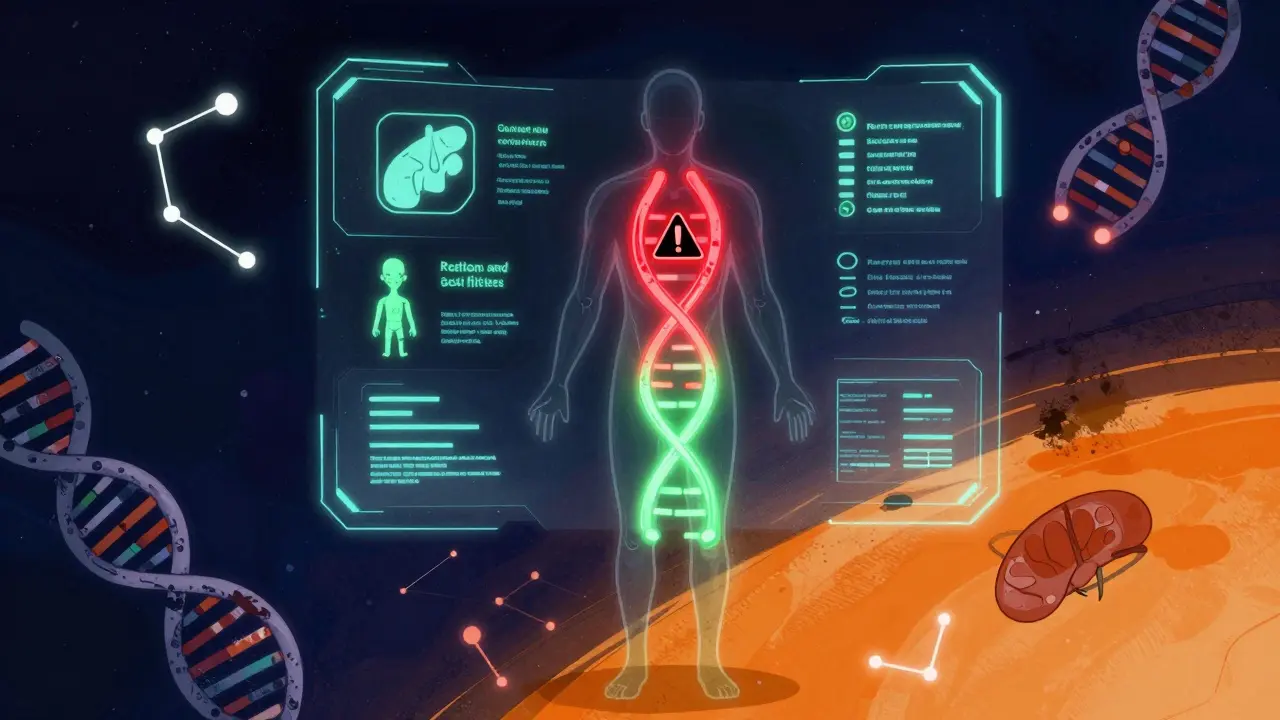
Pharmaceutical companies now design clinical trials with black box risks in mind. They’re looking harder for red flags early on. And the FDA’s 2023-2027 plan includes using genetic data to make warnings more precise - like flagging only patients with certain gene variants at higher risk, instead of warning everyone.
What’s Next for Black Box Warnings?
The future is personalization. Right now, black box warnings apply to everyone who takes the drug. But soon, they might only apply to people with specific genetic markers, liver conditions, or drug interactions.Imagine a future where your doctor’s computer, when you’re prescribed a drug, automatically checks your DNA, kidney function, and current medications - then says: “This drug carries a black box warning for people with your profile. Would you like alternatives?”
That’s not science fiction. The FDA is already testing it. And when it happens, black box warnings won’t just be a warning - they’ll become a personalized safety filter.
Until then, the message stays the same: Know the risk. Ask questions. Don’t assume the worst. But don’t ignore the warning either. These alerts exist because someone died - and the FDA won’t let it happen again without a fight.
Does a black box warning mean I can’t take the drug?
No. A black box warning means the drug carries serious, potentially life-threatening risks - but it doesn’t mean it’s unsafe for everyone. Many patients still take these medications because the benefits outweigh the risks, especially when no other options work. Your doctor will assess your health, other medications, and medical history before deciding if it’s right for you.
Can a black box warning be removed?
Yes. If new evidence shows the risk is lower than originally thought - or if safety measures like monitoring or patient education reduce harm - the FDA can remove or modify the warning. This usually takes years of post-market data and additional studies. It’s rare, but it happens.
Are over-the-counter drugs ever given black box warnings?
No. Black box warnings only apply to prescription medications. The FDA doesn’t use this format for over-the-counter drugs. However, OTC medications can still have strong warnings on their labels - just not in the black box format. Always read the Drug Facts label carefully.
How do I find out if my medication has a black box warning?
Check the patient information leaflet that comes with your prescription - the black box warning is always near the beginning. You can also search the FDA’s Drugs@FDA database online, or ask your pharmacist. Many drug manufacturer websites list warnings clearly on their product pages. Don’t rely on Google searches alone - use official sources.
Should I report side effects if I’m taking a drug with a black box warning?
Yes - especially if it’s something new, unexpected, or severe. The FDA’s MedWatch program collects reports from patients and providers to detect new safety issues. Even if you’re not sure it’s related, report it. Thousands of reports help the FDA spot patterns and decide if a warning needs updating. You can report online at fda.gov/medwatch or call 1-800-FDA-1088.
Do black box warnings mean the drug is poorly tested?
Not necessarily. Many drugs with black box warnings went through full clinical trials before approval. But some risks only appear after widespread use - in thousands or millions of patients over years. That’s why post-market surveillance is so important. A black box warning often means the drug was tested well - and the system worked by catching the danger after launch.


