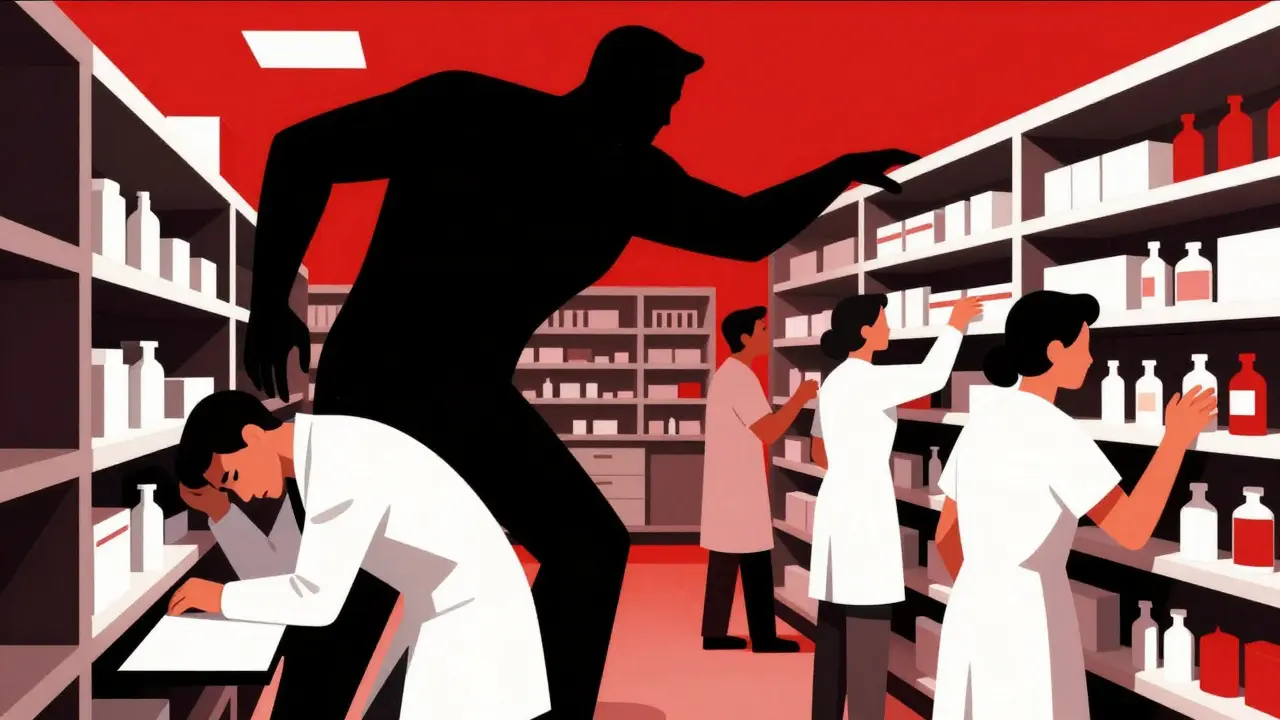
Imagine you are scheduled for surgery, or perhaps your child needs chemotherapy. You arrive at the hospital, ready to proceed, only to be told that a critical medication is out of stock. This isn't a rare glitch; it is a growing reality in modern healthcare. Drug shortages have evolved from occasional inconveniences into a systemic crisis that threatens patient safety, delays treatments, and strains medical staff to their breaking point.
As of mid-2025, the landscape remains volatile. While the number of active shortages has dipped slightly from the record highs seen in early 2024, hundreds of essential medications remain difficult to source. For patients and providers alike, understanding what happens when drugs aren't available is no longer optional-it is a matter of survival and effective care delivery.
Why are drug shortages happening now?
The current crisis stems from a combination of fragile global supply chains, manufacturing quality issues, and a lack of financial incentive for companies to produce low-margin generic drugs. Since 2019, these factors have converged, leading to unprecedented levels of unavailability for essential medications.
The Scale of the Crisis: More Than Just Empty Shelves
To grasp the severity, we need to look at the numbers. The American Society of Health-System Pharmacists (ASHP) tracks these shortages closely. In the first quarter of 2024, there were 323 active drug shortages-a historic peak. By June 2025, this number had decreased to 253. While that drop might sound like progress, keep in mind that 72% of these ongoing shortages began in 2022 or later. This means the problem is relatively new but deeply entrenched.
These aren't just obscure specialty drugs. The shortages affect everyday essentials. Antimicrobials, which fight infections, account for nearly 40% of shortage cases. Oncology medicines, vital for cancer treatment, make up another significant chunk. Even basic items like IV saline bags and heparin (used to prevent blood clots during surgery) have faced prolonged scarcity. When the building blocks of standard care disappear, the entire system shudders.
Consider the economic weight. Hospitals spend nearly $900 million annually just on the extra labor required to manage these shortages. That figure doesn't even include the cost of alternative therapies, cancelled procedures, or the long-term health consequences for patients who don't get the right treatment on time.
How Shortages Directly Harm Patients
When a drug is unavailable, doctors don't just wait for it to come back. They have to act. But those actions often come with risks. The National Institutes of Health (NIH) analyzed data from 2019 to 2024 and found that drug shortages lead to negative clinical, economic, and humanistic outcomes for the majority of patients involved.
Here is what that looks like in practice:
- Increased Medication Errors: When pharmacists and nurses switch to unfamiliar alternatives, mistakes happen. The rate of medication errors directly attributable to shortages jumped to 43%, up from 38% in 2019. A simple dosage miscalculation or an allergic reaction to a substitute drug can turn a routine procedure into a medical emergency.
- Delayed or Cancelled Treatments: About 32% of planned medical procedures face disruption due to shortages. For a patient with acute lymphoblastic leukemia, a shortage of asparaginase meant treatment delays of 7 to 14 days. In cancer care, time is tissue; delays can allow tumors to grow or become resistant to therapy.
- Higher Out-of-Pocket Costs: Alternative drugs are often more expensive. During shortage periods, patients saw their out-of-pocket costs rise by an average of 18.7%. For those already struggling financially, this can mean skipping doses or abandoning treatment entirely.
- Poorer Clinical Outcomes: Substitutes aren't always equal. Sometimes they are less effective or have worse side effects. In cardiac surgeries, heparin shortages forced centers to use alternative anticoagulants, increasing procedure times by 22% and potentially raising surgical risks.
The human cost is stark. Nearly 30% of Americans report not taking medication as prescribed due to price or availability issues. The American Hospital Association estimates that 1.1 million Medicare patients could die over the next decade because they cannot access or afford their prescribed medications. This isn't just about inconvenience; it's about life and death.
The Burden on Healthcare Workers
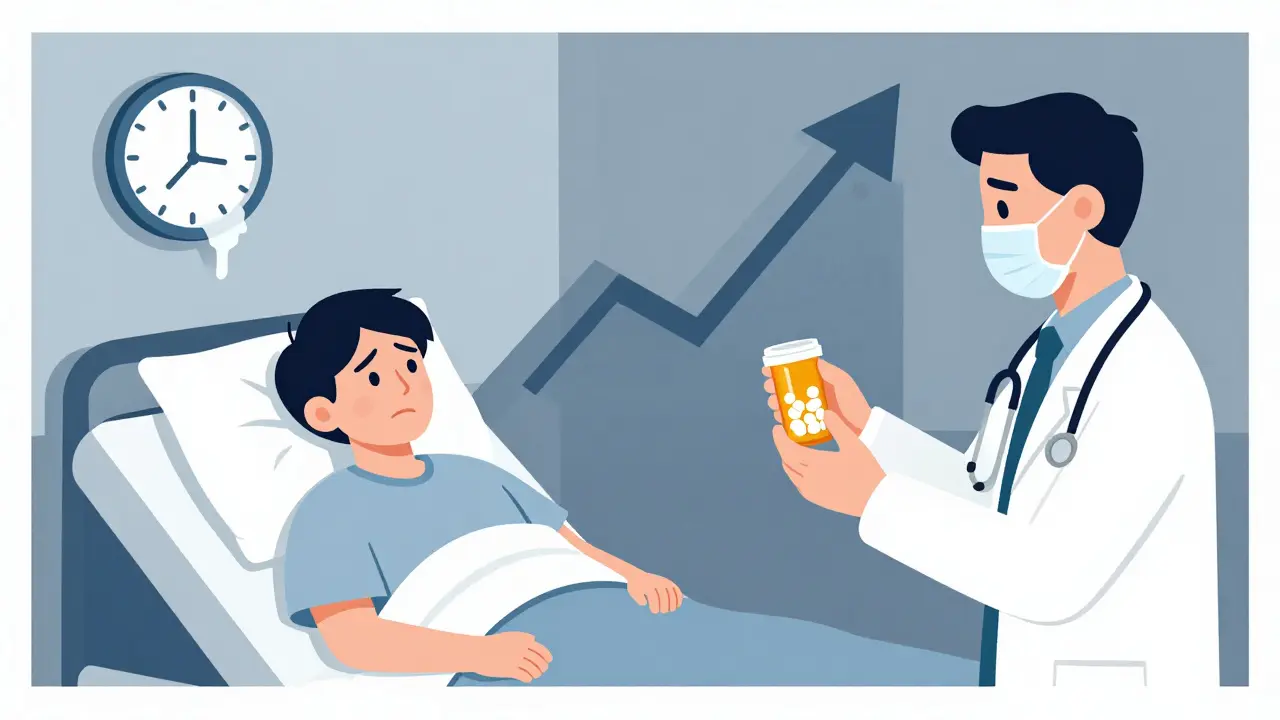
Behind every delayed surgery or switched prescription is a team of exhausted healthcare professionals. Managing drug shortages is not a passive task. It requires intense, daily effort. According to a 2024 survey by Vizient, a major group purchasing organization, hospitals monitored an average of 43 drug shortages per institution in 2023. Some facilities tracked up to 70 simultaneously.
This creates a massive staffing burden. Dr. Nikola Markoski, Director of Pharmacy Sourcing at Vizient, notes that staffing demands have surged since 2019. Hospitals spend an average of 15 to 20 labor hours per week per shortage just to monitor supplies, find alternatives, and update protocols. Pediatric facilities face it even harder, requiring 25% more staff time because children’s formulations are complex and fewer manufacturers produce them.
Pharmacists are particularly strained. Ninety-nine percent of hospital pharmacists reported experiencing drug shortages in 2023. Of those, 85% said the shortages critically or moderately impacted patient care. Imagine spending your week not just dispensing meds, but acting as a detective, sourcing hard-to-find drugs, training nurses on new substitutes, and calming anxious patients. This "shortage fatigue" contributes to burnout and reduces the time clinicians can spend on direct patient care.
Why Is This Happening? The Root Causes
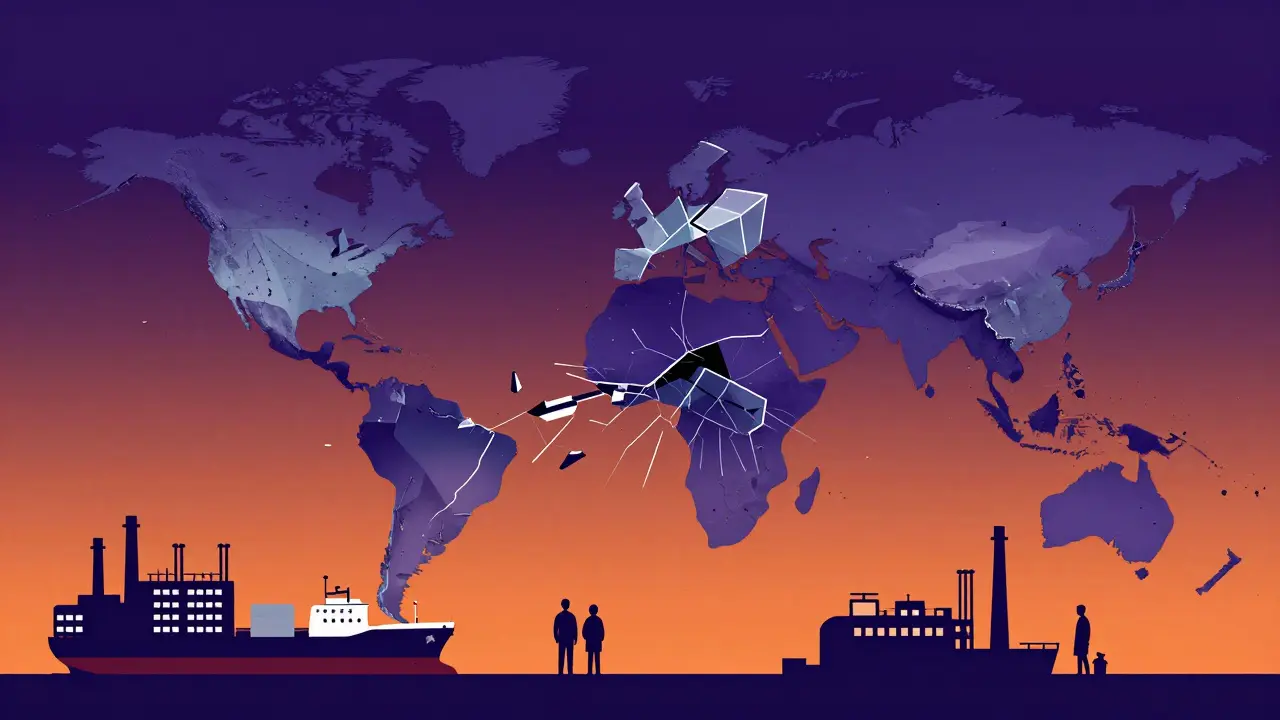
You might wonder why such a sophisticated industry struggles to keep shelves stocked. The answer lies in the structure of the pharmaceutical market, especially for generic drugs. Generic medications make up about 83% of all prescriptions filled in the U.S., yet they offer very low profit margins. Because profits are thin, many manufacturers exit the market, leaving only one or two suppliers for certain drugs. If one supplier has a manufacturing issue, there is no backup.
The FDA identifies three main drivers of shortages:
- Fractured Global Supply Chains (47%): Raw materials often come from overseas. Geopolitical tensions, pandemics, or logistics failures can cut off supply instantly.
- Manufacturing Quality Issues (32%): Plants fail inspections or have equipment breakdowns. Fixing these takes months, during which production halts.
- Raw Material Unavailability (21%): Key ingredients for drugs may themselves be in short supply, creating a ripple effect.
There is also a regulatory gap. Until recently, manufacturers weren't required to warn the government until a shortage was imminent. The Drug Shortage Electronic Registration and Notification Act of 2022 changed this, requiring notifications six months before potential shortages. However, enforcement and transparency remain challenges. As noted in JAMA Network Open, the current surveillance system still fails to capture the full scope of demand-driven shortages.
What Hospitals Are Doing to Cope
Hospitals aren't sitting idle. They are implementing robust strategies to mitigate risk. The most common approach is forming institutional shortage management committees. These teams meet regularly to review ASHP alerts, assess inventory, and decide on therapeutic substitutions.
Technology plays a growing role. Many systems now use automated monitoring tools that flag shortages in real-time. Group Purchasing Organizations (GPOs) like Vizient help hospitals pool their buying power to secure better contracts and avoid inventory costs-saving nearly $300 million for clients since 2023. Additionally, 78% of hospital systems plan to increase "onshoring," or bringing production closer to home, for critical medications by 2027.
Despite these efforts, the workload remains heavy. Transitioning to a new drug protocol requires an average of 47 staff hours for development, education, and system updates. And during these transitions, error rates spike by 18.3%. It’s a constant balancing act between speed and safety.
Looking Ahead: Can We Fix the System?
The trend line offers a mix of hope and caution. The decline from 323 to 253 active shortages suggests that some supply chain pressures are easing. New regulations are forcing greater transparency. Yet, the underlying structural issues-low margins for generics, reliance on few manufacturers, and global fragility-remain unsolved.
Experts agree that patchwork fixes aren't enough. We need systemic changes that incentivize domestic production, improve supply chain visibility, and ensure that essential drugs are treated as public goods rather than purely commercial products. Until then, patients and providers will continue to navigate this uncertain landscape.
If you are a patient, talk to your doctor about backup plans for your medications. Ask if there are therapeutic alternatives approved for your condition. If you are a healthcare worker, advocate for better resources and training in shortage management. Awareness is the first step toward resilience.
What should I do if my prescription is out of stock?
Contact your pharmacist immediately. They can check other local pharmacies or suggest a therapeutically equivalent alternative. Always consult your doctor before switching medications, especially for chronic conditions like heart disease or diabetes. Never skip doses without professional guidance.
Are brand-name drugs safer than generics during shortages?
Brand-name drugs are not necessarily immune to shortages, though they may have more stable supply chains due to higher profits. However, generics are bioequivalent to brand names by FDA standards. The risk during shortages comes from switching to *different* generic manufacturers or alternative drug classes, not from the generic status itself.
How long do drug shortages typically last?
Duration varies widely. Some shortages resolve in weeks, while others, like those for asparaginase or heparin, have lasted years. The ASHP database shows that many current shortages began in 2022, indicating a trend toward longer-lasting disruptions.
Can I buy medications online to avoid shortages?
Only use verified, licensed online pharmacies. Buying from unregulated sources poses severe safety risks, including counterfeit or contaminated drugs. The FDA warns against importing medications from abroad unless they meet strict safety standards.
Who is responsible for solving drug shortages?
It is a shared responsibility. Manufacturers must maintain reliable production. Regulators like the FDA need stronger oversight tools. Hospitals must implement robust contingency plans. Policymakers must create incentives for producing essential low-margin drugs. Patients play a role by staying informed and communicating with their care teams.


