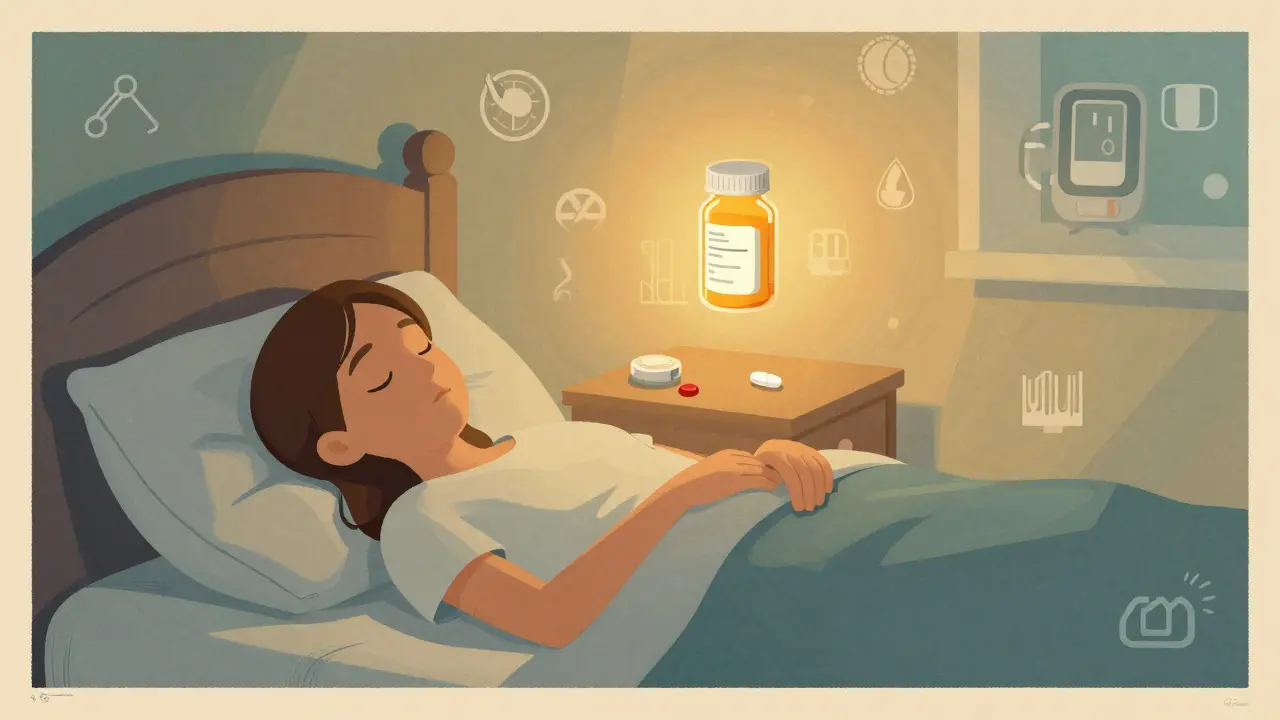
Imagine forgetting to refill your blood pressure pill. Again. You skip a few days, feel off, then scramble to call your pharmacy. Now imagine that never happens-your meds arrive automatically, on time, every time. That’s what automated refills for generic medicines do. They’re not magic. They’re just smart systems built into online pharmacies to stop you from running out. And for people taking daily meds for conditions like diabetes, high cholesterol, or hypertension, it’s a game-changer.
How Automated Refills Actually Work
It’s simpler than you think. When you’re on a long-term generic medication-say, lisinopril for blood pressure or metformin for diabetes-your pharmacy tracks your prescription. Most systems are set to trigger a refill request about 5 to 7 days before you run out. No phone calls. No app notifications you ignore. The pharmacy just processes it, fills it, and ships it or holds it for pickup.
You don’t have to do anything. But you do have to opt in. Most pharmacies require your consent before starting automatic refills. Once enrolled, they’ll send you a reminder via text, email, or app notification. You can pause, change the delivery date, or cancel anytime. It’s not a subscription you can’t escape. It’s a tool you control.
These systems connect to your electronic health record and the pharmacy’s management software. If your doctor changes your dose, the system should catch it. But sometimes it doesn’t. That’s a risk we’ll get into later.
Why This Matters for Generic Medicines
Generic drugs make up over 90% of all prescriptions filled in the U.S. They’re cheaper, just as effective, and often taken for life. But because they’re so common, people treat them like background noise. “I’ll refill when I run out.” That’s how missed doses start.
Studies show that about half of people with chronic conditions don’t take their meds as prescribed. The World Health Organization calls this nonadherence. It leads to hospital visits, worsening health, and higher costs. Automated refills directly tackle that. A 2016 study in the PMC found patients on automatic refills had 7.2% better adherence for statins, 3.9% for blood pressure meds, and 6.8% for diabetes drugs compared to those who had to request refills manually.
For generics, this isn’t just about health. It’s about money. When you don’t miss doses, you avoid ER trips and complications that cost thousands. Pharmacies benefit too. Fewer calls about “I ran out!” means less staff time spent on refill follow-ups. One study found a 37% drop in manual refill requests after automation.
Real Benefits: What Users Say
On Reddit’s r/Pharmacy, users consistently praise automated refills for chronic conditions. One person wrote: “I have type 2 diabetes and take metformin every day. I used to forget until I was down to 3 pills. Now it just shows up. No stress.”
Trustpilot reviews for major pharmacy chains show an average rating of 4.2 out of 5 for refill services. The top reason? “Peace of mind.” People with memory issues, busy schedules, or no family nearby say this feature keeps them alive.
Amazon Pharmacy’s RxPass, launched in January 2023, takes it further. For $5 a month, Prime members get access to 60 common generic medications with unlimited refills. A 2025 study in JAMA Network Open found users on RxPass refilled their meds 18% more often than before. The cost savings were real-many saved over $200 a year on out-of-pocket expenses.
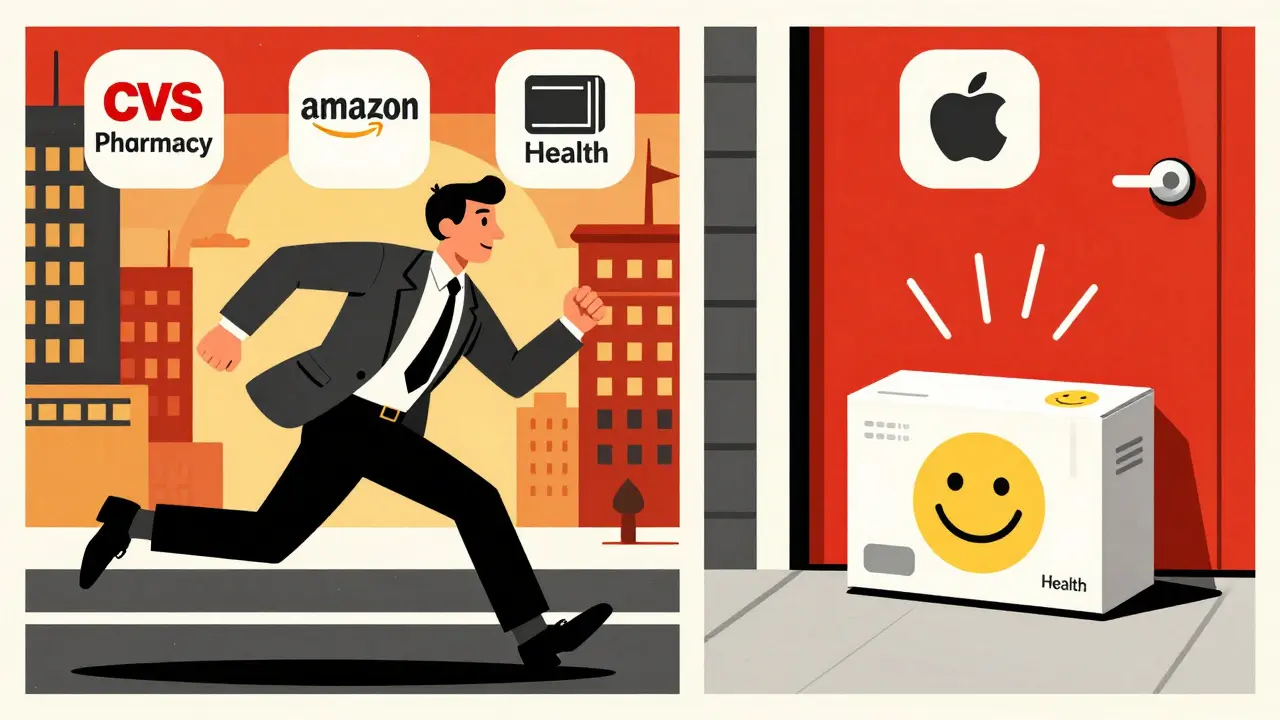
Even CVS and Walgreens now integrate refills with Apple Health and Google Fit. Your medication schedule shows up alongside your steps and sleep. It’s not just about refills anymore-it’s about your whole health picture.
The Hidden Risks
But it’s not perfect.
Here’s the big one: dosage changes. If your doctor increases your diltiazem from 240 mg to 360 mg, the automated system might not know. It just keeps refilling the old dose. Consumer Medication Safety documented a case where a patient kept getting 240 mg even after their cardiologist ordered a higher dose. That’s dangerous.
Another issue: early refills. Some pharmacy benefit managers (PBMs) set refill triggers at 60 days for a 90-day prescription. That means you get a refill 30 days early-twice as often. It boosts their revenue, not your health. Judi Health found some systems generate 50% more revenue this way.
And then there’s the lack of awareness. About 31% of negative reviews on platforms like One Medical mention unexpected deliveries. People didn’t know they were enrolled. They got a box of pills they didn’t ask for. That causes confusion, waste, and sometimes distrust.
Also, automated systems can reduce human contact. Pharmacists used to be the ones asking, “How are you feeling on this med?” Now, the system just ships. Some experts worry we’re losing those small but vital conversations.
How to Get Started
Signing up takes less than 15 minutes. Here’s how:
- Log in to your pharmacy’s website or app (CVS, Walgreens, Amazon Pharmacy, etc.).
- Go to “Prescriptions” or “Refill Settings.”
- Find “Automatic Refills” or “Auto-Renew.”
- Select the medications you want included.
- Choose your delivery method: home shipping or in-store pickup.
- Confirm your consent. You’ll get a confirmation email or text.
Most national chains offer step-by-step guides with screenshots. Independent pharmacies may need you to ask in person. Staff are usually happy to help-especially for older adults who need a hand.
Pro tip: Review your automatic refills every quarter. Make sure the doses still match your prescriptions. If your doctor changes anything, call the pharmacy right away to update the system.
Who Benefits the Most?
Automated refills aren’t for everyone. But they’re perfect for:
- People taking daily meds for chronic conditions (hypertension, diabetes, thyroid, cholesterol)
- Older adults who forget or have trouble calling pharmacies
- Busy parents or professionals with no time for refill calls
- Those on tight budgets-generics are cheaper, and auto-refills prevent costly gaps in care
- Patients with memory issues or cognitive decline
It’s less helpful if you’re only taking a med for a few weeks. Or if you’re switching medications often. But for long-term, stable regimens? It’s one of the most reliable tools out there.
The Future: Smarter, Not Just Faster
The next wave of automated refills won’t just remind you to refill. It’ll learn from you.
By 2026, two-thirds of pharmacy automation systems will use AI to adjust refill timing based on your actual usage. If you skip a few days, the system might send a nudge: “You haven’t picked up your refill. Need help?”
Integration with telehealth is growing fast. One Medical reports 78% of patients who use their delivery service also enroll in auto-refills. Why? Because it removes the last barrier: going to the pharmacy.
Regulators are catching up too. In early 2024, CMS proposed new rules to stop early refills that are just profit-driven. That’s good news. The goal isn’t to sell more pills-it’s to keep people healthy.
Final Thoughts: Convenience That Saves Lives
Automated refills for generic medicines aren’t flashy. They don’t make headlines. But they’re quietly saving lives. For millions of people, they turn forgetfulness into consistency. They turn anxiety into routine. They turn a daily chore into something that just… happens.
The risks? Real. But manageable. With a little attention-checking doses, reviewing your list, knowing how to pause-it’s a win. The data doesn’t lie: adherence goes up. Hospital visits go down. Costs go down. And for people who need their meds every day, that’s not convenience. It’s survival.
If you’re on a generic medicine for a chronic condition, ask your pharmacy about auto-refills today. It’s one of the easiest health upgrades you’ll ever make.


